Commercial Mold Remediation Services in Springfield, IL
Protect Your Springfield, IL Business from Hidden Mold Hazards
Mold is more than an eyesore—it’s a serious threat to your commercial property’s safety, air quality, and reputation. For businesses in Springfield, IL, where humid summers and springtime flooding are common, mold can spread rapidly and silently behind walls, under floors, or within your HVAC system. If you’re dealing with persistent moisture, musty odors, or visible signs of mold, it’s time to take action with professional mold remediation tailored to your building and your business operations.
Don't let mold shut down your business. Contact a local Springfield restoration specialist and depend on ServiceMaster to restore your property. Call (217) 286-1483 to start.
Why Mold Growth Is a Serious Threat for Springfield Businesses
Springfield business owners understand the impact that downtime and repairs can have on daily operations. Mold only makes those problems worse:
- Structural Damage: Mold weakens drywall, insulation, and flooring, leading to costly replacements.
- Health Hazards: Mold exposure can trigger asthma, allergies, and respiratory issues for employees and customers.
- Persistent Moisture: Older commercial properties with plumbing or HVAC issues often harbor hidden mold.
- Regulatory Concerns: Businesses may be required by law to remediate mold to maintain occupancy or pass inspections.
- Brand Damage: Unpleasant odors or visible mold can harm customer perception and employee morale.
- Local Infrastructure Risks: Aging structures in Enos Park, Harvard Park, and Downtown Springfield may have outdated ventilation, making mold more likely.
- Seasonal Storms: Heavy rainfall and storms in the Midwest contribute to moisture buildup and flood risk.
Signs Your Commercial Property May Have a Mold Problem
Mold can grow quietly behind walls or beneath flooring before it becomes visible. For Springfield business owners, identifying mold early is critical to prevent long-term damage and costly repairs. Here are some red flags that your commercial property may have a mold issue:
Unexplained Musty or Earthy Odors
A persistent musty smell is often one of the first signs of mold, especially in older buildings or areas with poor ventilation. Even if you can’t see mold, the odor alone warrants investigation.
Visible Spots or Discoloration on Surfaces
Mold can appear as black, green, brown, or white patches on drywall, ceilings, tile grout, or around HVAC vents. Peeling wallpaper or bubbling paint may also signal mold hidden underneath.
Water Damage That Wasn’t Properly Dried
Past incidents involving plumbing leaks, roof damage, or flooding—even from a year ago—can lead to mold growth if the area wasn’t fully dried and treated. Watch especially in basements, mechanical rooms, and near restrooms.
Unusual Health Symptoms Among Staff or Visitors
Frequent sneezing, coughing, headaches, or skin irritation may indicate indoor air quality problems related to mold spores, particularly in sensitive individuals with allergies or asthma.
Condensation on Windows or Pipes
Constant moisture or water beads on windows, pipes, or HVAC ducts can be a sign of excessive humidity, creating the perfect environment for mold to thrive.
Higher Utility Bills or HVAC Issues
Mold buildup in air ducts or ventilation systems forces your HVAC system to work harder, which can spike your energy costs and reduce efficiency.
Recurring Pests or Insects
Mold-prone spaces may also attract pests like termites or cockroaches that are drawn to moist conditions—often acting as an indirect indicator of a mold problem.
How Springfield’s Climate Influences Commercial Mold Issues
Springfield, IL, located in the heart of the Midwest, faces a combination of weather patterns that create ideal conditions for mold growth in commercial properties. Understanding how local climate contributes to mold risk is key to prevention:
High Summer Humidity
During Springfield’s hot and humid summers, moisture lingers in the air and inside buildings. If commercial HVAC systems aren’t properly dehumidifying, mold can develop quickly, especially in areas like storage rooms, drop ceilings, and basements.
Frequent Thunderstorms and Flooding
Central Illinois experiences frequent heavy rain, especially in the spring and early summer months. Stormwater runoff can flood basements and seep through poorly sealed foundations, leaving behind moisture that feeds mold colonies.
Cold, Damp Winters
While winter isn’t typically associated with mold, cold temperatures can lead to condensation issues around poorly insulated windows and in unheated rooms. This trapped moisture can become a hidden source of mold when left unaddressed.
Freeze-Thaw Cycles and Structural Damage
Springfield buildings, especially older ones, often experience cracking in brickwork or foundations during freeze-thaw cycles. These cracks allow water intrusion, which can go unnoticed until mold appears.
Seasonal Changes in Indoor Air Circulation
During transitional seasons, commercial properties often toggle between heating and cooling, which can cause condensation within HVAC systems. Without regular cleaning and maintenance, this moisture becomes a breeding ground for mold.
Age and Maintenance Gaps in Infrastructure
Many Springfield commercial buildings—especially those in downtown areas or in districts like Enos Park or Midtown—are several decades old. Dated plumbing, worn roofing, or aging insulation can create chronic moisture problems if not properly maintained.
With Springfield’s seasonal climate swings and potential for excess moisture year-round, proactive mold prevention and regular inspections are essential for commercial property owners and managers.
What to Expect During Professional Mold Remediation
Professional mold remediation is a structured, multi-step process. Here’s what a reputable service provider will typically do:
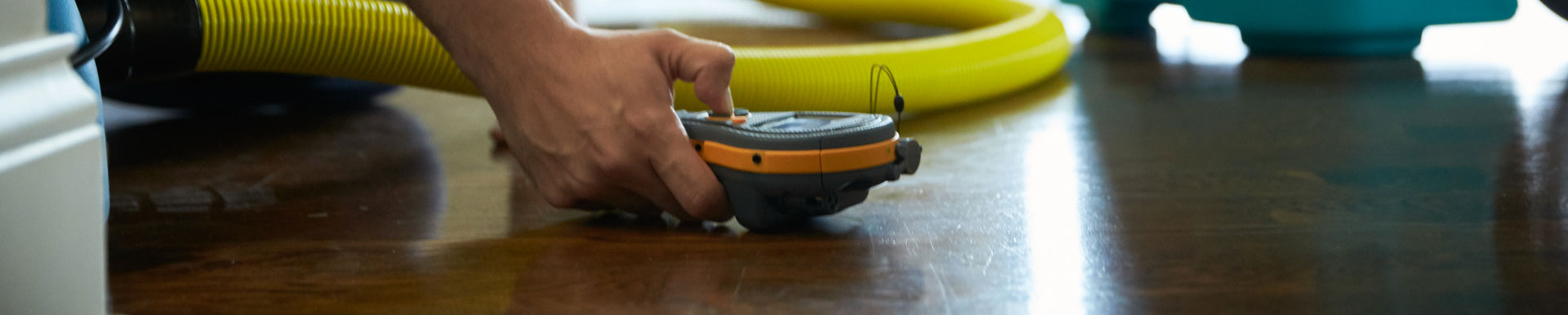
- Inspection and Moisture Mapping – Identify the full extent of mold and moisture
- Containment Setup – Isolate affected areas to prevent spores from spreading
- Air Filtration – Use of HEPA-filtered equipment to clean the air
- Material Removal – Discard contaminated drywall, insulation, or flooring if necessary
- Cleaning and Antimicrobial Treatment – Kill mold spores and prevent regrowth
- Dehumidification – Restore optimal indoor humidity levels
- Verification Testing – Ensure mold is fully eradicated before closing the job
Why Choose Local Professionals in Springfield
Choosing a local team means you’re working with professionals who understand the unique challenges of Springfield buildings and climate:
- Rapid Response Times – Available 24/7 to handle mold emergencies
- Certified Technicians – IICRC-certified specialists with mold remediation training
- Experience with Local Regulations – Knowledge of city and county compliance requirements
- Tailored Plans – Remediation solutions customized to fit your business layout and needs
- Discretion and Efficiency – Minimize disruption to your employees and customers
- Insurance Coordination – Assistance navigating the claims process
Mold Won’t Wait—Neither Should You
When mold is left unchecked, it spreads quickly and quietly, increasing health risks and repair costs. If your Springfield commercial property has experienced water damage, smells musty, or just feels damp, don’t ignore the warning signs.
Contact a trusted local remediation expert to schedule a mold inspection and keep your business protected—now and in the future. Call ServiceMaster at (217) 286-1483 to request a free quote.