24/7 Residential Mold Remediation Services in Springfield, IL
Mold can be more than just an unsightly nuisance in your Springfield home—it can pose serious health risks and cause structural damage if left unchecked. From hidden water leaks to high indoor humidity, Springfield’s climate and housing stock can create ideal conditions for mold growth. At ServiceMaster DSI – Springfield, we understand the urgency of residential mold problems and offer 24/7 professional remediation services to help homeowners protect their property and their families.
Rely on ServiceMaster to clean mold at the source, from inspection to removal. Call (217) 286-1483 to start your restoration journey today.
Understanding How Mold Affects Springfield Homes
Mold thrives in damp, humid environments, and Springfield’s seasonal weather patterns make many homes susceptible. Summers can bring high humidity, while winter snowmelt or heavy rainfall can lead to basement flooding or moisture accumulation in attics and crawl spaces. Older homes, such as those in the historic Old State Capitol area or neighborhoods like Woodside, often face additional risks due to outdated plumbing, insulation, or ventilation systems.
Unchecked mold growth can:
- Trigger allergies and respiratory issues.
- Weaken wood and drywall, leading to structural damage.
- Cause unpleasant musty odors that permeate living spaces.
- Reduce property value if remediation isn’t addressed promptly.
Understanding these risks is the first step in protecting your home and ensuring a healthy living environment.
Common Signs of Residential Mold to Watch Out For
Identifying mold early is critical for effective remediation. Springfield homeowners should watch for:
- Musty Odors: Lingering, earthy smells often indicate hidden mold growth.
- Visible Discoloration: Dark or greenish spots on walls, ceilings, or carpet surfaces.
- Peeling Paint or Wallpaper: Moisture behind walls can cause surface materials to bubble or peel.
- Increased Allergy Symptoms: Sneezing, congestion, or respiratory issues among family members.
- Condensation or Dampness: Particularly in basements, attics, or around windows.
- Warping of Wood: Floors, doors, and baseboards may become soft or warped due to prolonged moisture exposure.
Early detection allows for faster intervention, reducing both health risks and the extent of property damage.
Steps in Residential Mold Remediation
Effective mold remediation goes beyond just cleaning visible mold. It involves addressing the underlying moisture issues, containing spores, and restoring affected areas to prevent future growth. Here’s a detailed look at the process:
1. Initial Inspection and Assessment
- Conduct a thorough inspection of all areas in your home, including hidden spaces such as behind walls, under flooring, and in attics and crawlspaces.
- Identify moisture sources that contribute to mold growth, including roof leaks, plumbing issues, or condensation from HVAC systems.
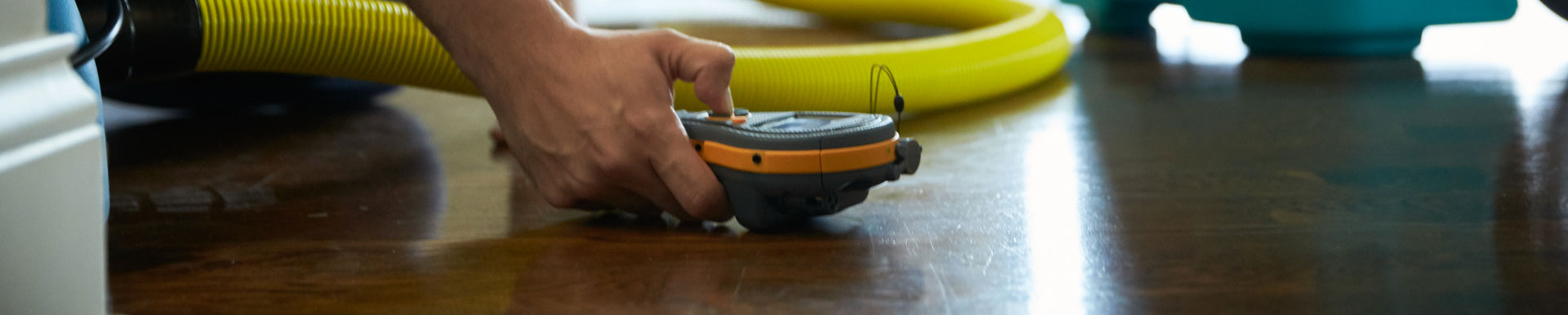
- Use specialized tools like moisture meters, thermal imaging cameras, and hygrometers to detect hidden water intrusion.
- Determine the extent of mold infestation and identify surfaces that may require removal versus cleaning.
2. Containment of Affected Areas
- Set up physical barriers to isolate the mold-infested zones and prevent spores from spreading to clean areas.
- Employ negative air pressure systems to ensure that spores do not escape the remediation area.
- Seal off vents, doorways, and windows in affected areas for enhanced containment.
3. Air Filtration and Spores Removal
- Use HEPA air filtration units to capture airborne mold spores and improve indoor air quality.
- Continuously monitor the air quality throughout the remediation process to ensure spores are contained and removed effectively.
- Clean and filter HVAC systems if they have been affected by mold to prevent recontamination.
4. Mold Removal and Cleaning
- Remove unsalvageable materials such as drywall, insulation, or carpeting that have been heavily infested.
- Clean and disinfect remaining surfaces with EPA-approved antimicrobial solutions.
- Use specialized scrubbing and HEPA vacuuming techniques to eliminate spores from wood, concrete, and other structural surfaces.
- Ensure that porous materials that cannot be fully disinfected are safely disposed of according to local regulations.
5. Structural Drying and Moisture Control
- Deploy industrial-grade dehumidifiers, air movers, and fans to thoroughly dry affected areas.
- Monitor moisture levels using sensors to confirm that all surfaces and hidden spaces are completely dry.
- Address ongoing sources of moisture, such as leaks or poor ventilation, to prevent mold recurrence.
6. Repairs and Restoration
- Repair or replace damaged structural elements, including drywall, flooring, insulation, and wood framing.
- Restore affected areas to pre-loss conditions while ensuring mold-resistant materials are used when possible.
- Seal and paint walls, replace carpeting, and restore other household items that were removed or cleaned during remediation.
7. Post-Remediation Inspection
- Conduct a thorough post-remediation assessment to confirm mold removal and ensure indoor air quality meets safety standards.
- Provide homeowners with a detailed report of the work completed, including before-and-after photos, moisture readings, and any recommended follow-up.
- Educate homeowners on preventive measures to maintain a mold-free home.
8. Preventive Recommendations
- Advise homeowners on proper ventilation, humidity control, and routine inspections to prevent future mold growth.
- Suggest installing dehumidifiers in basements, improving attic insulation, or repairing roof leaks.
- Provide guidance on maintaining gutters and downspouts to reduce water intrusion around the foundation.
Why Prompt Action Against Mold is Critical
Mold can spread quickly, particularly in Springfield’s humid summer months or following seasonal water intrusion. Delaying remediation can result in:
- Increased health risks for your family.
- Greater structural damage and higher repair costs.
- Complications for insurance claims if left untreated.
Professional 24/7 remediation services minimize downtime, reduce the spread of mold, and provide peace of mind that your home is safe.
Prevention Tips for Springfield Homeowners
Preventing mold growth starts with managing moisture in and around your home. Consider these practical tips:
- Control Humidity: Keep indoor humidity below 50% using dehumidifiers or HVAC systems.
- Fix Leaks Promptly: Address roof, plumbing, and appliance leaks immediately.
- Proper Ventilation: Use exhaust fans in bathrooms, kitchens, and laundry areas.
- Gutter Maintenance: Clean and inspect gutters regularly to prevent water pooling near your foundation.
- Insulate Properly: Ensure attics and crawl spaces are adequately insulated to reduce condensation.
- Regular Inspections: Monitor basements, attics, and hidden areas for early signs of moisture or mold.
Implementing these preventive measures can significantly reduce the risk of mold growth in Springfield homes.
How Springfield’s Climate Impacts Mold Growth
Springfield’s climate presents unique challenges for residential mold prevention:
- Hot, Humid Summers: High humidity and air conditioning condensation can lead to moisture buildup.
- Cold Winters: Snow accumulation and melting ice can result in water infiltration in basements and around foundations.
- Older Homes: Many Springfield residences were built decades ago, with outdated insulation, plumbing, or ventilation, which can trap moisture and create mold-friendly environments.
- Heavy Rainfall: Seasonal storms can cause roof leaks or flooding in low-lying neighborhoods.
Understanding these local conditions helps homeowners proactively protect their property and choose remediation services that account for Springfield-specific risks.
How ServiceMaster DSI – Springfield Can Help
ServiceMaster DSI – Springfield offers trusted residential mold remediation services tailored to local conditions:
- 24/7 Emergency Availability: Rapid response to prevent mold from spreading further.
- Local Expertise: Knowledge of Springfield’s neighborhoods, home construction styles, and climate challenges.
- Advanced Equipment: Industrial-grade dehumidifiers, HEPA filtration, and moisture detection tools ensure thorough remediation.
- Comprehensive Service: From inspection and mold removal to structural drying and restoration, we manage every step.
- Supportive Approach: Clear communication, compassionate service, and practical guidance for homeowners throughout the remediation process.
Whether your home has a minor mold problem or extensive water damage, our team ensures your property is safe, healthy, and restored.
Protect Your Home and Health Today
Mold growth in Springfield homes is not just unsightly—it’s a potential threat to your family’s health and property. Early detection, prompt remediation, and proactive prevention are essential to maintaining a safe home environment.
Don’t wait until mold becomes a larger problem. Contact ServiceMaster DSI – Springfield today to schedule a professional mold assessment and remediation plan tailored to your home. With our expertise and 24/7 availability, you can rest assured that your property is in capable hands.