Storm Damage Repair Services in Lynnwood, WA – Fast Help for Roofs, Basements & Beyond
From Soaked Basements to Shattered Shingles, We’ve Got You Covered
If you live in Lynnwood or nearby areas like Edmonds, Mukilteo, or Alderwood, you know how quickly the Pacific Northwest weather can change. A windstorm here can knock out power and peel off shingles in minutes, then the rain starts pouring in.
In Lynnwood, heavy rain cycles combined with late-season windstorms and clogged gutters often mean basements flood and roofs fail. Fast, professional storm damage repair protects more than just your property, it safeguards your health and financial stability. That’s why our Storm Damage Repair Services in Lynnwood, WA focus on quick response and thorough restoration.
Prevent Costly Repairs with Fast, Local Storm Damage Response
Lynnwood’s older split-level homes and mid-century builds often struggle with basement drainage. When downspouts and gutters clog with pine needles, water overflows directly into window wells. Wind-driven rain can sneak through siding seams, roof vents, and attic louvers, while flat or low-slope roofs typical of 1970s ranch homes are especially vulnerable. Storm surge and pooling near foundations increase hydrostatic pressure, and crawlspaces sealed with vapor barriers often hide standing water. Water can wick into drywall and OSB sheathing within hours. Our Storm Damage Repair Services in Lynnwood, WA address all these points of entry swiftly and effectively.
Why Roofs Fail First, and What It Means for the Rest of Your Home
Wind gusts lift or shear off shingles, particularly along edges and eaves. When the underlayment is compromised, water gets into attics and ceiling joists. Ice dams or pooled water at roof valleys may backflow beneath flashing, and seals around skylights or chimneys wear out faster in our wet, windy climate.
Often, roof decking hides moisture until interior signs like sagging drywall, spots, or bubbling paint appear. Soffits and fascia can trap water, causing rot and mold. During storms, gutter hangers may pull loose, spilling water where it shouldn’t go. If you need emergency roof repair in Lynnwood, our team has you covered.
What Water Does to Your Basement in 24 Hours or Less
Water enters basements through foundation cracks, window wells, and failed sump systems. Even without visible cracks, concrete’s porous nature allows moisture to creep inside.
Once inside, water saturates baseboards, wall framing, and carpet padding. If untreated, mold can start growing within 24 to 48 hours. Particle board furniture and cabinetry swell and delaminate, and metal shelving rusts quickly, leaving stains on walls and floors.
Basements in Lynnwood homes built before 1980 face higher risk due to minimal waterproofing. That’s why our Storm Damage Repair Services in Lynnwood, WA prioritize rapid water extraction and structural drying.
Drywall, Insulation, and Flooring — What Can Be Saved and What Can’t
Wet fiberglass insulation loses its R-value and becomes a mold magnet. Drywall absorbs water up to four feet from the flood line, often unseen at first. Hardwood floors can cup or crown when moisture seeps underneath. Laminate and vinyl plank flooring tend to trap moisture beneath the surface, while subflooring like OSB or plywood may delaminate or rot if not dried quickly.
Even tile floors can hide moisture in grout or under adhesives. Mold can develop behind baseboards or under trim long before you see signs. Our team knows how to handle water damage from storms in Lynnwood to protect your home.
Not All Storm Damage Is Obvious, Here’s What to Watch For
- Sagging or bubbling paint near windows and ceilings
- Flickering lights or electrical shorts caused by attic water infiltration
- Musty odors in crawlspaces after minor rain
- Small, slowly growing stains on ceilings or walls
- Warping of cabinet bases in kitchens or basements
- Peeling caulk or grout near tubs, sinks, or laundry areas
- Uneven flooring or soft spots around baseboards
Even minor signs like these can signal serious issues. If you’ve noticed any, it’s time for professional help. Basement flood cleanup in WA is best handled before damage worsens.
How We Dry, Dehumidify, and Disinfect After a Lynnwood Storm
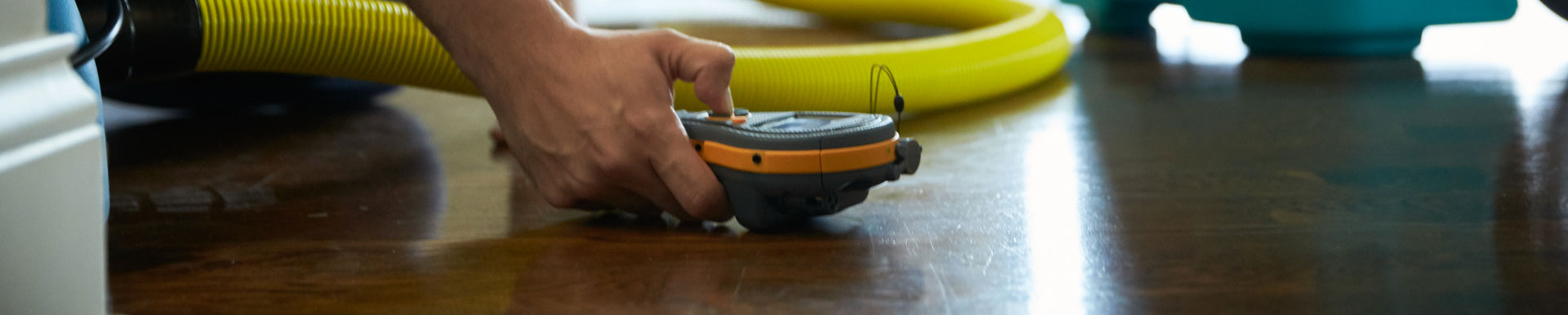
We start every job with a detailed moisture map using thermal imaging and hygrometers. Standing water is removed with high-capacity vacuums and sump systems. Affected drywall, insulation, and flooring are removed as needed, following IICRC S500 standards.
Industrial air movers and dehumidifiers reduce humidity and prevent further damage, while HEPA filtration cleans airborne spores. EPA-registered antimicrobials are applied to all affected materials and cavities. Our technicians monitor progress daily until moisture levels return to safe ranges. With ServiceMaster’s Storm Damage Repair Services in Lynnwood, WA, drying is only the beginning, and we make sure your home stays safe.
Lynnwood Homes Have Unique Storm Risks, and We Know Them All
Lynnwood homes near Lund’s Gulch and Martha Lake often face saturation from runoff. Split-entry homes from the 70s and 80s frequently lack modern roof ventilation or moisture control. Tree-heavy lots increase the risk of falling limbs and clogged gutters. Flat concrete patios often slope inward, directing water toward foundations.
Older crawlspaces may lack sump pumps or vapor barriers. Multiple roof angles and complex gutter systems create traps for overflow, and many newer developments use engineered wood materials that degrade faster when wet. Our team is familiar with these challenges and ready to provide expert wind damage restoration services tailored for Lynnwood.
Call Us for Fast, Reliable Storm Damage Repair in Lynnwood
Storm damage doesn’t wait and neither should you. From the first gust of wind to the last drop of water, ServiceMaster by SRS is ready to protect your home and peace of mind. Call us today for trusted Storm Damage Repair Services in Lynnwood, WA. We respond fast, restore right, and back it up with local knowledge and national strength.
FAQs
My roof looks fine, do I still need an inspection?
A: Yes. Damage often starts beneath shingles or around flashing. A professional inspection can catch hidden leaks before they cause mold or structural damage.
Will insurance cover storm damage cleanup?
A: Most of the time, yes, especially if damage is caused by wind or hail. We help document everything and work directly with your insurance adjuster.
Can I clean up water in my basement myself?
A: Surface cleanup is only part of the solution. Without professional drying and restoration, mold and structural damage can develop behind walls and under flooring.