Burst or Leaking Pipe Restoration Services in Portland, OR
When a Small Drip Turns into a Big Problem
Hearing water drip behind a wall or stepping on a soaked section of carpet can stop anyone in their tracks. In Portland, situations like this happen more often than people expect. Older plumbing systems, occasional winter freezes in areas such as Gresham or Beaverton, and frequent rainy weather all increase the chances of pipe failures. A slow leak can introduce moisture into walls and flooring without obvious signs, while a burst pipe sends large amounts of water into a space all at once. Both require the same level of urgency because water spreads quickly through building materials.
Many homeowners feel overwhelmed when a leak appears, but you are not alone. Pipe failures are one of the most common home emergencies in this region. That is why homeowners in the area call us for Burst or Leaking Pipe Restoration Services in Portland. Professional water cleanup and structural drying protect your property from long term moisture issues and reduce the chance of mold developing after the incident.
A burst or leaking pipe can flood floors, walls, and hidden spaces fast. Call now for immediate water extraction and full structural drying in Portland, OR.
Why Burst or Leaking Pipes Require Immediate Restoration
Effective burst or leaking pipe restoration starts with understanding how quickly water changes once it enters your home. Clean water from a pipe release is considered Category 1, but it can shift to Category 2 or 3 as it comes into contact with flooring, dust, and building materials. When this happens, the level of cleanup increases. Water also finds paths into areas that are not visible, which is why a fast response is important.
Water commonly reaches:
- Drywall cavities and the insulation behind them
- Subflooring and baseboards
- Electrical conduits, outlets, and junction boxes
- Cabinets and laminate furniture
- Crawl spaces and floor joists
The IICRC S500 standard explains the importance of addressing water damage within the first 24 hours. Restoration teams who understand these guidelines can reduce the risk of microbial growth and structural deterioration.
Common Causes of Burst or Leaking Pipes in Portland Homes
Many factors can lead to a pipe burst, and several are tied directly to Portland’s climate and housing types. Freezing temperatures during winter nights can cause pipes to contract and crack, especially in properties located at higher elevations. Older homes may have corroded copper or galvanized steel pipes that weaken over time. Excessive water pressure or failing shutoff valves can also contribute to leaks. Foundation settling may shift plumbing joints, and attic or roofline pipes may fail when insulation is insufficient.
Portland’s soft, mineral rich water plays a role in corrosion, and many older Craftsman and postwar homes have plumbing systems that are decades old. These factors make routine maintenance and early detection important for homeowners throughout the metro area.
How Water from Leaks Spreads Through Your Home
Once a leak begins, water travels farther than most people expect. Our plumbing leak water restoration service focuses on locating and drying every affected material.
Moisture spreads through:
- Drywall, where gypsum blisters as the paper backing absorbs water
- MDF cabinets, which expand and crack
- Insulation, which holds moisture and loses effectiveness
- Carpet padding and tack strips, which trap bacteria and odor
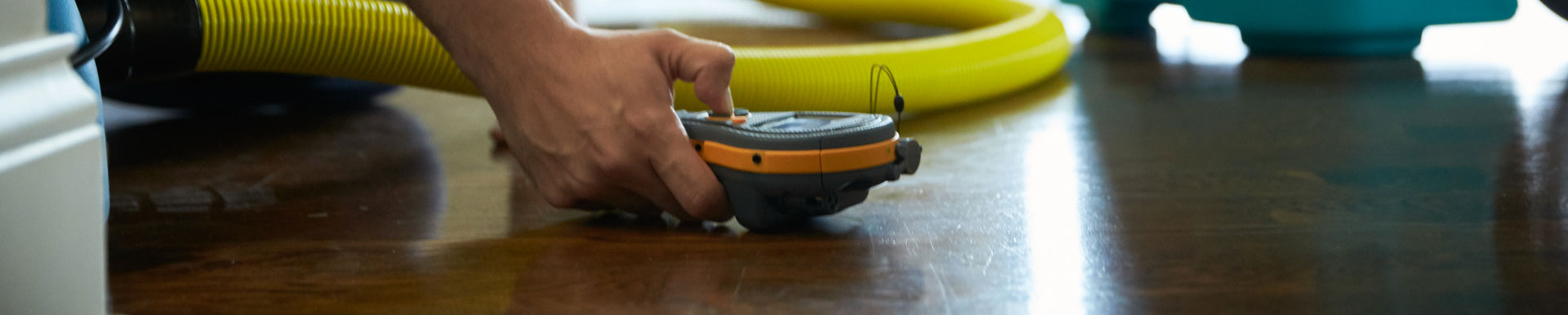
Water can wick upward through walls and move horizontally across subfloors. The EPA notes that mold often begins forming within 48 hours in damp and enclosed environments. Because water rarely stays in one place, restoration teams rely on infrared cameras, hygrometers, and detailed moisture mapping to identify hidden areas of concern.
The Professional Restoration Process for Burst or Leaking Pipes
Each step of our process is designed to control moisture, protect the structure, and return the space to a safe condition.
Our professional process includes:
- Locating the water source and shutting it off
- Extracting standing water with industrial grade equipment
- Deploying LGR dehumidifiers and high velocity air movers
- Applying EPA approved antimicrobial treatments
- Monitoring moisture levels daily until drying goals are met
By following IICRC drying standards, ServiceMaster ensures that your home is restored thoroughly and that air quality returns to normal levels.
DIY drying often misses trapped moisture under flooring or inside walls. Contact us for industrial-grade dehumidification, moisture monitoring, and full restoration.
How Portland’s Climate Makes Pipe Leaks Especially Risky
Local weather patterns influence drying times and the severity of damage. During winter, freeze and thaw cycles can stress plumbing even in insulated spaces, which leads to leaks that homeowners may not notice right away. Cool, damp air slows evaporation, making it harder for materials to dry without professional equipment. Crawl spaces and basements in neighborhoods such as Sellwood and Alberta often experience moisture buildup from poor drainage, which compounds the effects of a leak.
Many properties also have PEX retrofits or exposed basement plumbing that can collect condensation. ServiceMaster technicians understand how these conditions influence drying plans and adjust strategies accordingly.
Hidden Damage After a Pipe Burst or Leak
Some of the most significant problems after a leak occur out of sight. Moisture can become trapped under vinyl or tile, leading to loose flooring and subfloor deterioration. Plywood may begin to delaminate. Mold often forms behind walls and cabinetry where air movement is limited. Electrical conduits may corrode, and HVAC components can be affected by moisture exposure. Ceiling stains often appear days later as water migrates through insulation and drywall.
Our team uses borescopes and non-invasive meters to inspect these areas. When damage is confirmed, ServiceMaster provides a full remediation plan that focuses on removing only what is necessary, disinfecting where needed, and preparing the area for repairs.
Preventing Future Leaks and Pipe Bursts
Portland homeowners can take practical steps to reduce the likelihood of future leaks. These measures help protect the plumbing system and limit sudden failures.
Helpful prevention practices include:
- Insulating exposed plumbing before winter
- Keeping indoor temperatures moderate during cold nights
- Replacing old galvanized lines with modern PEX or copper
- Checking water pressure regulators each year
- Scheduling routine leak inspections with a licensed plumber
A Water Damage Response Plan gives homeowners a clear process to follow if a leak occurs. It also helps reduce long term moisture exposure by encouraging quick action.
Call Us for Professional Restoration
A leaking or burst pipe can cause significant damage in a short amount of time. Do not wait for structural issues or mold growth to develop. Call ServiceMaster Fire and Water by QRT for trusted Burst or Leaking Pipe Restoration Services in Portland, OR. Our team is available at all hours with the tools, training, and experience needed to restore your home safely and efficiently.
FAQs
Can I clean up a pipe leak myself?
Small puddles are manageable, but once water reaches walls or floors, professional drying is necessary to prevent long term damage.
Will my insurance cover burst pipe damage?
Most policies cover sudden and accidental water damage. Gradual leaks may not be included. Our team assists with documentation to support the claims process.
How long does restoration take after a pipe burst?
Drying usually takes three to five days, depending on how far the water traveled. Portland’s cool and humid air can slow evaporation, making professional equipment important.
Don’t wait until water damage leads to structural issues or mold. Call now to get professional water mitigation and restore safety and comfort in your home.