Fire Damage Restoration Services in New Jersey
Bringing Your Home Back to Life After a Fire
In New Jersey, where homes range from Maplewood colonials to Jersey Shore cottages and Newark row houses, fire risk is real. Dry winters, aging wiring, and older construction only increase the danger. Even a small kitchen fire can leave smoke in every corner of your home. Worse, soot and water from firefighting can silently damage your structure and air quality.
At ServiceMaster Restoration by Complete, we know your home is more than just property, it’s where your family feels safe. Our fire damage restoration services in New Jersey combine rapid response with proven expertise, helping homeowners recover quickly and fully.
What Fire Really Does to Your Home (and Why You Can’t Wait to Act)
Fire affects more than what burns. Wood framing might appear solid but can be weakened. Plastics like PVC piping melt and release toxins. Smoke and soot travel through walls, ducts, and insulation, reaching areas untouched by flames.
Soot starts damaging surfaces within hours. It etches metal, stains walls, and corrodes electronics. Electrical wiring may be heat-damaged behind drywall. With New Jersey’s humid summers, lingering moisture from firefighting often leads to mold unless properly dried.
A fast response helps prevent long-term damage and insurance delays. That’s why we follow IICRC S700 standards for fire and smoke restoration, ensuring your home is restored with care and precision from day one.
Soot, Smoke, and Odor: More Than Just a Smell
Smoke damage depends on what burned; grease, plastic, and fabric, all leave different chemical residues. Soot clings to:
- Drywall, ceiling tiles, and porous materials
- Upholstery, drapes, and unfinished wood
In multi-level homes, smoke spreads through HVAC systems and settles far from the fire. We remove it using:
- Hydroxyl generators for safe odor breakdown
- Ozone treatments for deep deodorizing
- Thermal fogging to neutralize particles
HEPA-filtered air scrubbers improve indoor air quality during cleanup. For residential fire cleanup in New Jersey, we don’t just mask odors, we eliminate them for good.
Structural Stability After a Fire: What to Inspect and Why
Heat can damage your home’s frame in ways that aren’t always visible. Our inspection focuses on:
- Roof trusses and attic supports for warping
- Load-bearing walls for heat exposure
- Floor joists compromised by flames or water
Brick and steel can crack or warp from thermal expansion. We use infrared cameras to detect smoldering spots behind walls. In older homes with balloon framing, fire often travels up vertical cavities, making expert inspection crucial before rebuilding.
What Happens When Water Meets Fire: Secondary Damage You Didn’t Expect
The water used to fight fires can lead to new issues. It soaks insulation, drywall, flooring, and cabinetry. Moisture migrates up through drywall, even when surfaces seem dry. In many New Jersey homes, particle board cabinets swell and fall apart after exposure.
Without quick drying, mold and bacteria follow. That’s why emergency fire damage repair includes:
- Water extraction
- Industrial dehumidifiers
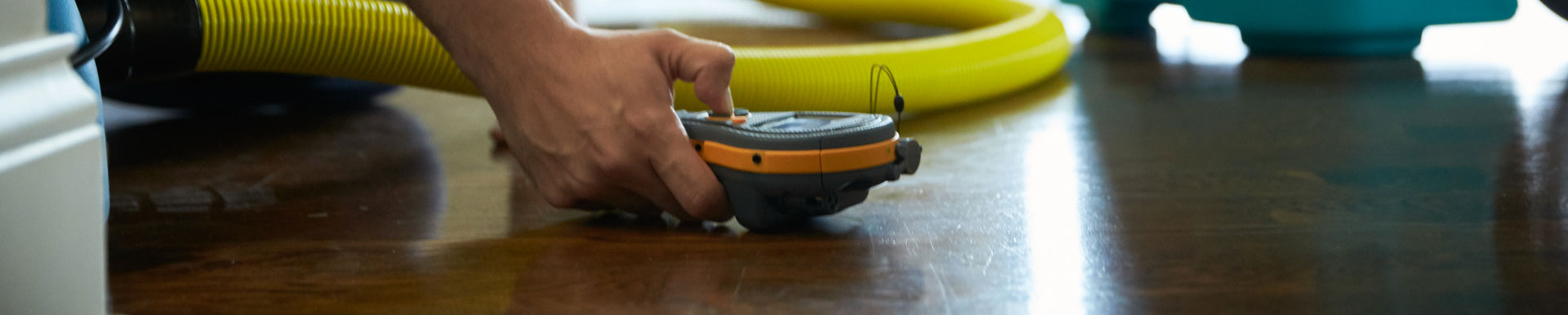
- Moisture monitoring
We follow EPA guidance and work within the 24- to 48-hour window to prevent microbial growth.
Cleaning Up Fire Residue the Right Way
Fire cleanup isn’t one-size-fits-all. We use:
- Dry cleaning sponges for light soot
- Alkaline solutions for protein-based fires
- Soda blasting for masonry
We also offer content pack-out services. Your electronics, documents, and keepsakes are stored, cleaned, and returned safely. Our methods are room-specific, and we use pH-balanced products to protect materials during cleaning.
All technicians are IICRC-certified in fire and smoke restoration, ensuring every step is handled by trained professionals.
New Jersey Homes Come With Their Own Challenges
Many NJ homes, especially in Newark, East Orange, or Montclair, are over 50 years old. These houses may contain asbestos insulation or lead-based paint, both of which require specialized handling.
Chimney fires are another common issue. Unlined masonry chimneys can trap heat and sustain hidden damage. Smoke often settles in attics, rafters, or basement levels, especially in split-level homes. Our crews are trained to find and clean these hidden problem areas, restoring both safety and air quality.
After the Fire is Out: Securing, Documenting, and Restoring
After the flames are out, we move fast to protect your home. That includes:
- Boarding up broken windows
- Tarping damaged roofs
- Securing the property against weather or vandalism
We document every detail for insurance: photos, moisture readings, and itemized inventory. Restoration begins with stabilization, odor control, drying, and debris removal, before repairs begin. We guide you through each step with estimates, timelines, and insurance coordination.
For smoke damage restoration in NJ, we make the process as smooth as possible so you can focus on moving forward.
Rebuilding vs. Repair: Knowing What Can Be Saved
Not everything needs to be torn out. In many cases, we restore instead of replacing. We assess:
- Hardwood floors for sanding and refinishing
- Cabinets and trim for smoke removal and sealing
- Drywall for spot repairs or flood cuts
Some materials, like insulation and carpet, may need full replacement due to odor absorption. When repairs are needed, we follow current building codes, which is especially important in older homes where upgrades are required.
Call ServiceMaster Restoration by Complete Today
From Hoboken to Cherry Hill, New Jersey homeowners trust us to restore homes with urgency, professionalism, and care. When disaster strikes, don’t wait. Call ServiceMaster Restoration by Complete for expert fire damage restoration services in New Jersey.
Frequently Asked Questions
My walls look fine—do I still need professional restoration?
Yes. Smoke and soot often hide behind walls, vents, or insulation. Even if things seem fine, hidden damage can affect your home's safety and air quality.
How long does fire restoration take?
It depends on the damage. Minor smoke cleanup may take days. Full restoration could take several weeks. We’ll provide a timeline and keep you informed at every stage.
Will insurance cover the cost?
Most homeowner policies include fire damage restoration. We’ll document everything and work directly with your insurance adjuster to simplify the process.