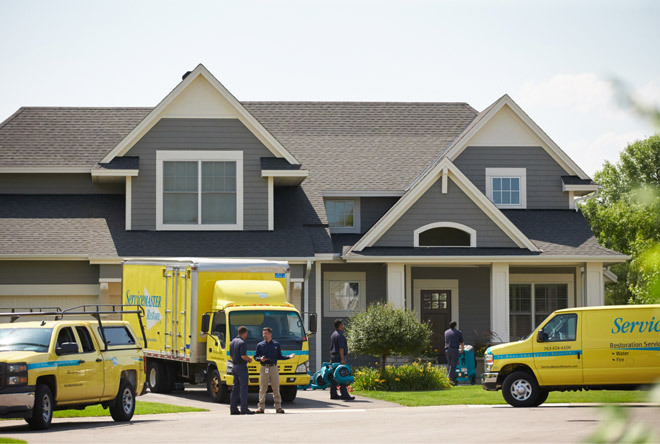
24/7 Emergency Restoration Services in Ocean County, NJ
Fast, Local Support When Your Ocean County Property Is Damaged
Living along the Jersey Shore means loving the ocean breeze, the summers, and the community—but also dealing with unpredictable weather, seasonal flooding, and older homes that don’t always handle moisture well. When something goes wrong, it feels overwhelming fast. That’s why you need 24/7 Emergency Restoration Services in Ocean County, NJ delivered by a team that understands how water, fire, mold, and storm damage behave specifically in Ocean County’s climate. Whether you’re in Toms River, Brick Township, Jackson, Lakewood, Lacey Township, or Barnegat, we’ve seen firsthand how shore humidity accelerates mold growth, how Nor’easter winds drive rain into attic spaces, and how crawlspace homes trap moisture for months. As your local restoration partner, we respond quickly with the tools, training, and oceanfront experience needed to protect your home or business.
Living on the Jersey Shore means unique restoration needs. Contact us now for fast, local emergency service in Ocean County.
Water Damage Restoration in Ocean County — What Homeowners Need to Act on Immediately
Water behaves differently near the coast, especially in areas with sandy soil, high groundwater, and crawlspace-heavy construction. Sandy soil drains quickly, but it does nothing to prevent groundwater intrusion during heavy rain or storm surge. Homes in Beachwood, Toms River, and Stafford Township often see water seep through slabs, crawlspaces, and foundation cracks before homeowners even notice. According to IICRC S500 standards, rapid action is critical.
- Water wicks up drywall 6–12 inches due to capillary action, even when the baseboards look dry.
- Particle-board cabinetry—common in many Ocean County kitchens—absorbs water quickly and loses structural integrity within hours.
- Crawlspaces trap humidity, allowing mold to grow before surface moisture is even visible.
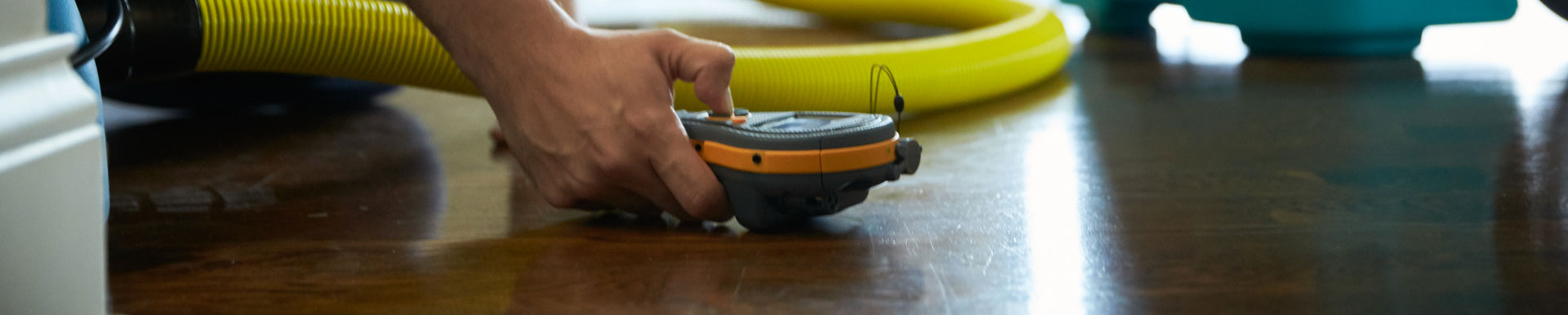
Insulation behind exterior walls near the shore often stays saturated long after the surface appears dry. - Thermal imaging is required to locate water trapped under vinyl plank flooring and behind wall cavities.
- Sump pump failure during Nor’easters and power outages is one of the leading causes of basement flooding.
- Hidden water is one of the biggest dangers in Ocean County homes. Fast detection prevents structural rot, mold colonization, and electrical hazards.
Fire Damage Restoration & Smoke Removal — Understanding Shore-Specific Smoke Behavior
Coastal fire damage comes with unique complications. Humid air, coastal winds, and open floor plans in many Ocean County homes allow smoke to travel further and settle deeper. After a fire, smoke residue clings to porous materials and penetrates areas homeowners never think to check. Following IICRC S700 standards ensures safe, thorough restoration.
- Protein fires create nearly invisible residue that sticks to cabinets and walls and causes long-term odor.
- Wet smoke from smoldering fires leaves thick, smeary soot that requires specialized alkaline cleaning agents.
- Smoke infiltrates HVAC systems, sending soot into attic spaces and wall cavities.
- Salt-heavy air accelerates corrosion after a fire, especially in metal fixtures and electrical systems.
- Negative air pressure and HEPA filtration are essential to remove particulates safely.
- Fire suppressants can leave behind corrosive residues that must be neutralized immediately.
- Homes in Brick, Bayville, and Lacey Township often show soot patterns that require advanced diagnostics—not just surface cleaning.
Mold Remediation in Ocean County — Why Shore Homes Are at Higher Risk
Mold grows dramatically faster in coastal environments because of persistent humidity, rapid temperature changes, and ventilation challenges in crawlspaces. Even newer homes in Jackson or Manchester can develop mold if moisture becomes trapped under flooring or behind walls. Based on IICRC S520 and EPA guidelines, mold remediation requires both precision and strict containment.
- Humidity in Ocean County accelerates mold growth within 24–48 hours after a water event.
Vinyl wallpaper in older shore rentals traps moisture and hides mold colonies for years. - Mold frequently forms under laminate or LVP flooring where cool slabs meet warm, humid air.
- Common mold types include Cladosporium, Aspergillus, and Stachybotrys—each requiring different handling.
- Negative-air chambers prevent spores from spreading during remediation.
- HEPA vacuums and air scrubbers remove airborne spores released during cleaning.
Many homeowners are surprised to learn that bleach does not kill mold inside porous building materials. Proper remediation requires removing affected materials and addressing the moisture source—not just treating the surface.
Flooding, fire, mold or storm damage—whatever the cause, we respond 24/7 in Ocean County. Call today for certified restoration.
Storm Damage Repair in Ocean County — Wind, Flooding, and Shoreline Exposure
Storm damage is one of the most common restoration needs in Ocean County. Between Nor’easters, coastal storms, and high wind events, homes in Barnegat, Lacey, and Beach Haven face constant exposure to the elements. Roof damage, flooding, and structural weakening are all common after major storms.
- Wind-driven rain enters through ridge vents, soffits, and loose shingles.
- Storm surge undermines foundations and causes shifting in elevated homes.
- Saltwater intrusion increases corrosion in metal plumbing and electrical components.
- Flat commercial roofs experience ponding water that spreads quickly into insulation layers.
- Emergency board-up and tarping prevent additional damage following roof or siding failure.
- Moisture meters must be used to detect saturation in sheathing and subfloors—areas that hide water extensively.
- Storm repairs require understanding coastal wind patterns and how different construction types respond to extreme weather.
How Ocean County Construction Styles Influence Restoration Results
Ocean County’s mix of shore homes, split-levels, ranches, and commercial buildings means restoration must be tailored to material behaviors and building layouts.
- Elevated shore homes on pilings allow moisture to collect in structural beams beneath the living area.
- Older electrical panels in inland homes from the 1960s–1980s often fail after water exposure.
- Crawlspace homes require specialized drying techniques for joists, insulation, and vapor barriers.
- Commercial strip centers with flat roofs need desiccant dehumidification to dry foam or fiberglass insulation.
- Wood-framed beach houses absorb moisture rapidly and require more aggressive structural drying.
- Stucco homes near the coast react differently to wind-driven rain than fiber cement siding.
The more tailored the approach, the better the long-term results.
Older homes, coastal weather and hidden damage make restoration tricky. Contact our Ocean County experts now for deep-dive solutions.
Why Rapid Response Matters So Much in Ocean County
Damage escalates quickly along the Jersey Shore. This is why our team provides 24/7 Emergency Restoration Services in Ocean County, NJ—because waiting even a few hours can drastically worsen outcomes.
- Mold can begin forming in as little as 24 hours.
- Smoke odor becomes permanent without early deodorization.
- Subfloors warp if moisture isn’t removed quickly.
- Saltwater corrosion begins within hours on electrical components.
- Drywall and insulation degrade rapidly when left saturated.
Commercial downtime becomes more costly the longer a business stays closed.
A rapid response reduces total damage, lowers cost, and increases the amount of your property that can be saved.
Need Help Fast? Talk to an Ocean County Restoration Expert
If you’re seeing stains, smelling something musty, hearing dripping, or noticing wind or water damage after a storm, call us right away. Fast action always saves more, costs less, and keeps your property safe. We’re nearby, ready 24/7, and equipped to handle whatever your home or business is facing.
FAQs
Why is water damage worse near the coast?
Humidity, sandy soil, and salt-heavy air make moisture harder to control and speed up material deterioration.
Can I stay in my home during fire or smoke cleanup?
Sometimes, but it depends on air quality and whether soot has spread through the HVAC system. Proper containment determines safety.
Does mold always smell?
No. Many Ocean County homes have hidden mold with no odor. Only moisture mapping and inspection can confirm it.
You need a restoration partner that understands the shore climate and construction styles. Call now for local, experienced help in Ocean County.