Flooded Basement in Cheatham County
24/7 Help For Water In Your Basement
Finding water in your basement can feel overwhelming. One moment everything is normal, and the next you are looking at standing water, soaked walls, and belongings you are afraid to lose. If you are dealing with a flooded basement Cheatham County, you need clear direction and fast, professional help.
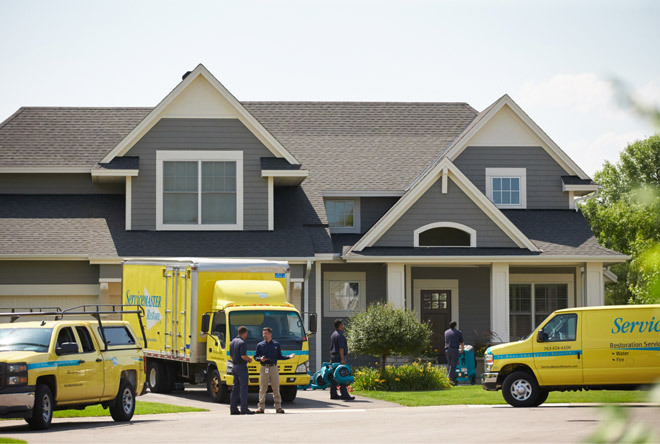
At ServiceMaster Fire, Water and Wind Damage Restoration, we respond to basement flooding emergencies at any time of day or night in this area. Backed by more than 65 years of disaster restoration experience, our team understands how quickly water can damage building materials, create safety hazards, and lead to mold if it is not addressed correctly. We work to bring order back to your home or business with a calm, step by step approach.
When you call us, you reach a live person who can start guiding you right away and dispatch trained restoration professionals with advanced equipment. Our goal is to limit damage, protect your health, and help you move from panic to a clear plan of action.
Restore your home with ServiceMaster Fire, Water and Wind Damage Restoration Flooded Basement services in Cheatham County. Contact us at (931) 293-9865!
Why Homeowners Here Call Us When Their Basement Floods
When your basement fills with water, you do not have time to guess whether a company knows how to handle the situation. You want a team that focuses on water damage and has a long history of helping property owners through stressful events. That is where we come in.
We are part of a national network that has been restoring properties after water, fire, and storm damage for more than six decades. Our restoration professionals receive extensive training and hold industry recognized certifications for water damage restoration and related services. This means the people entering your home or business have the skills to assess the situation, make safety a priority, and apply proven methods to remove water and dry your basement thoroughly.
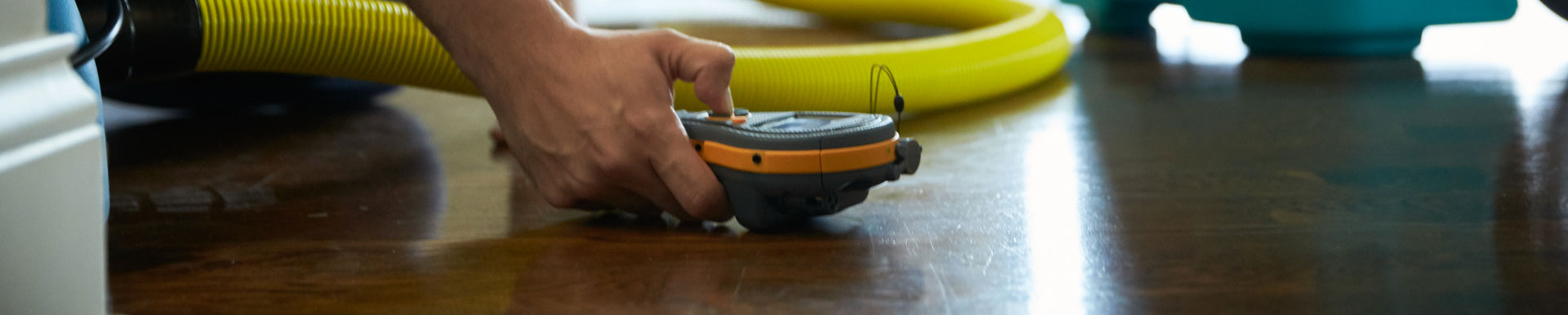
We also invest in professional grade equipment that goes far beyond consumer fans and wet vacuums. Our teams arrive with powerful extraction tools, air movers, and dehumidifiers that are designed to pull moisture out of flooring, walls, and the air itself. Combined with moisture meters and other inspection tools, this technology helps us find and address water you may not see on the surface.
Just as important, we understand the emotional side of basement flooding. A finished family room, kids' play area, storage space, or small business inventory may all be at risk. We take time to walk you through what we see, explain your options, and keep you updated from our first visit through final checks. Our follow up and quality assurance programs are designed so you are not left wondering what happens next.
What To Do Immediately When Your Basement Floods
In any basement flooding situation, your first priority is safety. Water can hide hazards that are not obvious at a glance, and taking the wrong step can create more risk for you and your family. The following guidance can help you protect yourself while our team is on the way.
Stay Safe Around Water & Electricity
If water is rising or already covering part of the floor, avoid entering the area if there is any chance electrical outlets, cords, or appliances are involved. Electrical systems and water together can create serious dangers. If you can safely access your main electrical panel from a dry location, you may choose to turn off power to the basement, but do not walk through water to reach it.
Control Water Source If It Is Safe
If the source of water appears to be a burst supply line or plumbing fixture and you can safely reach the main water shutoff valve from a dry area, turning that off can help reduce further water flow. Do not take risks to do this. If you are unable to access the valve safely, simply move to higher levels of the home and call for help.
Protect Belongings Without Taking Risks
It can be tempting to start moving boxes, furniture, or equipment right away. If the water is shallow and it is clearly safe to enter, you may carefully move a few important items to a dry space. However, avoid lifting heavy, waterlogged items that could cause injury. Do not attempt to use household fans or open the HVAC system to dry heavily saturated areas, since this can spread moisture and contaminants to other parts of the home.
Call For Professional Help Quickly
The most important step is to contact trained restoration professionals as soon as possible. When you call ServiceMaster Fire, Water and Wind Damage Restoration, we can help you decide what immediate actions are safe in your specific situation and dispatch our team to begin mitigation. The sooner we can start extracting water and controlling moisture, the better your chances of reducing long term damage.
How We Restore A Flooded Basement From Start To Finish
Knowing what to expect can make a difficult situation easier to navigate. Our process for handling a flooded basement is designed to be thorough, organized, and as clear as possible for you at every stage.
Assessment & Safety Check
When our team arrives, we start with a safety focused assessment. We look for electrical concerns, structural issues, and the likely source of the water. We also evaluate the extent of visible and suspected moisture in building materials and contents. During this time, we speak with you about what happened, any changes you have already noticed, and your priorities for the space.
Water Extraction & Moisture Control
Once we confirm that it is safe to proceed, we begin water extraction. Our crews use professional extraction equipment to remove as much standing water as possible from floors and other surfaces. Removing liquid water quickly helps shorten the overall drying time and limits how far moisture can spread into walls, framing, and contents.
After extraction, we set up a carefully planned system of air movers and dehumidifiers to address the remaining moisture. Air movers help release water from surfaces, and dehumidifiers pull that moisture out of the air. We place this equipment based on the layout of your basement, the materials involved, and the level of saturation we have measured with moisture meters.
Cleaning, Sanitation & Monitoring
Cleaning and sanitation are also important steps, especially if the water came from a sump pump failure, backed up drain, or surface runoff. In those cases, soils and microorganisms may have entered your space. Our team uses cleaning solutions and techniques that are appropriate for the type of water and materials involved, with the goal of leaving surfaces clean and safe to the extent reasonably possible.
Throughout the drying process, we return to monitor moisture readings and adjust equipment as conditions change. This monitoring is essential because some materials release water more slowly than others. We continue until moisture levels reach acceptable ranges for the affected materials, then we remove our equipment and perform final checks. We can also provide documentation of the work performed and the drying results, which many property owners choose to share with their insurance carrier.
Common Basement Flooding Causes & Damage In Cheatham County
Basement flooding in this area often follows patterns that we see again and again. Understanding what typically causes water problems can help you and our team work together on a plan to reduce the chance of future issues where possible.
Typical Causes Of Basement Flooding
Heavy rain is one of the most common triggers for water in basements, especially when storms drop a large amount of water in a short time. When the ground around a home or business becomes saturated, water can seep through foundation walls or floors and find its way inside. In parts of Cheatham County that sit closer to waterways or in lower lying terrain, rising groundwater during strong storms can increase this risk.
Other frequent causes include sump pump failures, blocked or damaged foundation drains, and plumbing issues. A failed pump or clogged discharge line can allow water to build up along the foundation instead of being redirected away. Burst pipes, leaking water heaters, and malfunctioning washing machines or other appliances can also release large amounts of water directly into a basement.
Types Of Damage We Commonly See
The resulting damage can range from soaked carpets and warped laminate flooring to swollen baseboards, damaged drywall, and compromised insulation. In unfinished spaces, stored items in cardboard boxes often take on water quickly, and rust can begin forming on metal surfaces. Mechanical systems located in basements, such as furnaces, water heaters, or electrical panels, may also be affected and should be evaluated by appropriate professionals if they have been exposed to water.
Even after visible water recedes, moisture can remain trapped inside walls, subfloors, and contents. If this moisture is not addressed correctly, it can lead to mold growth, musty odors, and deterioration of building materials over time. Our role is to identify where that moisture is hiding and apply the right drying and cleaning steps to help protect your property.
Health & Safety Risks Of Ignoring Basement Water
It can be tempting to wait and see if things dry out on their own, especially when the water level looks low or has already receded. However, leaving a wet basement untreated can create health and safety concerns that are not always visible right away.
Mold Growth & Indoor Air Quality
One of the main risks is mold growth. Mold can begin to develop on damp surfaces when conditions allow, particularly on materials like drywall, wood, and some types of insulation. Over time, mold can affect indoor air quality and create unpleasant odors, and certain individuals may be more sensitive to these changes than others.
Structural & Contamination Concerns
Another concern is the structural impact of prolonged moisture. Wood framing and subfloor materials can weaken or warp when exposed to water for extended periods. Fasteners and metal components may corrode. In finished basements, adhesives used under flooring or behind wall coverings can break down, causing surfaces to loosen or buckle.
If the water that entered your basement was contaminated, such as from a sewage backup or surface runoff carrying soil and debris, the risks are higher. This type of water can contain bacteria and other organisms that require careful handling and thorough cleaning. Simply drying the area without proper sanitation can leave behind residues that affect the space long after it appears dry.
Working with a professional restoration team helps address these concerns in a more comprehensive way. Our methods are designed to control moisture, clean affected surfaces appropriately, and monitor conditions as they change. While no one can remove every risk in every situation, timely, thoughtful action goes a long way toward protecting your property and the people who use it.
Working With Our Team From First Call To Follow Up
When you reach out to us about a flooded basement Cheatham County, we know you want clear answers and a straightforward process. We aim to make each step as transparent as possible, from the first conversation through final checks.
What To Expect During Your First Call
During your initial call, we ask focused questions about what you are seeing, when the water started, and whether any utilities or plumbing systems are involved. This helps us understand the urgency, consider possible safety issues, and plan the right equipment and personnel for your situation. We also explain what you can expect when our team arrives, so you are not left guessing.
On-Site Work & Communication
Once on site, we walk you through our assessment and discuss our proposed course of action. We talk about areas of concern, how we plan to remove water and dry materials, and what that may mean for access to the basement during the process. If you plan to contact your insurance company, we can point out the kinds of information and documentation that may be helpful for your discussions with them.
Throughout the drying and cleaning phase, we remain available to answer questions and explain what we are doing. You see us returning to check readings, adjust equipment, and evaluate progress, and we share these updates with you in plain language. When moisture levels reach target ranges, we remove equipment, perform final checks, and talk through any recommended next steps, such as repairs that may need to be handled by other trades.
Follow Up & Ongoing Support
Even after the visible work is done, our commitment does not simply end. Our quality assurance approach includes follow up and attention to any concerns you may raise after the project. We understand that a flooded basement affects your daily life, and we work to provide both technical service and steady communication from start to finish.
Frequently Asked Questions
How fast can your team get to my flooded basement
We respond to emergencies at all hours, and our goal is to get to your property as quickly as conditions allow. Actual arrival times depend on factors such as weather, road conditions, and how many calls are coming in during a particular event. When you call, we let you know what timing looks like and keep you informed if anything changes. No matter when you reach out, you connect with someone who can start guiding you right away and arrange for a crew to respond in the shortest practical time frame.
Can you save my belongings and furniture from the basement
We often can clean and dry many types of belongings and furniture, although results vary based on how long items were in the water, the type of materials involved, and whether the water was clean or contaminated. When we arrive, we assess contents along with the structure and talk with you about what is most important to you. In many cases, items like certain furniture, plastic storage containers, and some electronics that were not directly in standing water may be recoverable. Our team works to protect and restore what we reasonably can, and we are honest with you when something is too damaged to save.
How long will it take to dry out my basement
Drying time can range from a couple of days to more than a week, depending on how much water was present, the materials affected, the size of the space, and the temperature and humidity. Concrete floors and structural elements often release moisture more slowly than surface finishes, which can extend the process. When we set up drying equipment, we explain what we are doing and give you a general idea of how long it may take based on our readings. As we monitor progress, we keep you updated and adjust the plan as needed until moisture levels reach acceptable targets.
What should I do before your team arrives
The most important thing is to keep yourself and others safe. If you can safely do so from a dry location, you may turn off power to the basement or shut off the main water supply when plumbing issues are involved, but do not walk through standing water to reach any controls. If the water is shallow and there are no electrical hazards, you may move a few valuable items to higher ground, taking care not to lift anything too heavy. Avoid using household fans or opening the HVAC system to try to dry the area, since this can spread moisture and possible contaminants. When in doubt, simply move to a safe place and wait for our guidance over the phone.
Will my insurance cover a flooded basement cleanup
Coverage for a flooded basement varies widely and depends on the terms of your policy and the cause of the water. For example, some policies treat sudden plumbing failures differently from surface water intrusion, and separate flood insurance may be involved in certain situations. We encourage you to contact your insurance company to discuss your particular coverage and deductible. Our team can provide detailed documentation of the conditions we find and the work we perform, which many customers share with their insurer to support the claim process.
Is it safe to stay in my home while the basement is being dried
In many situations, property owners are able to remain in their homes while the basement is being dried, but this depends on factors such as the extent of damage, whether contamination is present, and how the home is laid out. During our assessment, we consider these factors and discuss any limitations we recommend, such as avoiding certain areas or closing doors to contain noise. Drying equipment can be loud and may generate some warmth, and we explain what that will feel like before we begin. If conditions suggest that staying in the home is not advisable, we will share those concerns with you so you can make an informed decision.
How do I know the basement is really dry and mold will not grow
We rely on more than appearance to confirm that a basement is dry. Our team uses moisture meters and other tools to take readings in materials like drywall, wood framing, and flooring, and we compare those readings to target ranges. We continue the drying process until these measurements indicate that moisture has been reduced to appropriate levels. While it is not possible to guarantee that mold will never appear in any circumstance, thorough drying and timely action significantly lower the risk. We explain our findings to you and answer any questions you have before we remove our equipment.
Call Now For Help With A Flooded Basement
Water in your basement can disrupt your home or business quickly, but you do not have to face it alone. The sooner you bring in trained restoration professionals, the better your chances of reducing damage, protecting your belongings, and avoiding long term moisture problems.
ServiceMaster Fire, Water and Wind Damage Restoration is ready to respond around the clock in Cheatham County and the surrounding area. With decades of experience, trained and certified teams, and advanced equipment, we work to restore your basement in a way that is safe, thorough, and as efficient as conditions allow. We keep you informed from the first call through final checks so you always know what is happening.
For fast help with a flooded basement Cheatham County, call (931) 293-9865 now.