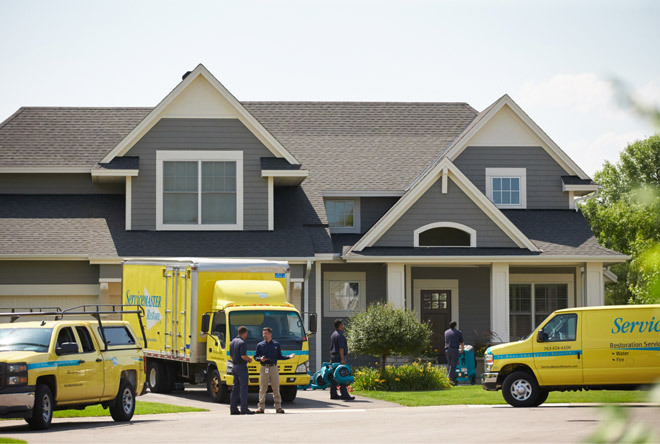

Flooded Basement Help In Dickson County
Emergency Water Damage Support When You Need It
A flooded basement can disrupt your whole home in a matter of minutes. Water seeps into floors, walls, and belongings, and it can be hard to know what is safe to touch or where to start. When you are dealing with a flooded basement Dickson County homeowners can turn to ServiceMaster Fire, Water and Wind Damage Restoration for fast, professional help.
We understand that you may be anxious about safety, damage, and cost all at once. Our team is available 24/7 to respond to basement flooding, whether it is from a storm, a burst pipe, or a sewage backup. Backed by more than 65 years of industry experience through ServiceMaster Restore, we work to restore your property to its pre-loss condition as efficiently as possible.
From your first call, we focus on clear communication and practical guidance so you are never left wondering what comes next. If water is in your basement right now, you can reach us any time at (931) 293-9865 for immediate assistance.
Contact us today for flooded basement help in Dickson County! Call ServiceMaster Fire, Water and Wind Damage Restoration at (931) 293-9865 for fast and reliable cleanup.
Why Call Us For Basement Flooding
When water is spreading through your basement, you do not have time to compare endless options. You need a team that understands basement water damage, arrives promptly, and follows a proven process. At ServiceMaster Fire, Water and Wind Damage Restoration, we bring the strength of the ServiceMaster Restore network and years of hands-on restoration experience to every flooded basement we handle.
Our technicians are highly trained and certified in water damage restoration. They know how to assess visible and hidden moisture, choose appropriate extraction methods, and use drying equipment in a way that supports both safety and structural integrity. We rely on professional-grade pumps, vacuums, air movers, and dehumidifiers, along with moisture detection tools that help us locate water you may not see on the surface.
We also understand that a flooded basement is not only a structural concern but a personal loss. You may have family items, stored furniture, or a finished living space at risk. Our goal is to treat your home and belongings with care throughout the restoration process. We explain our recommendations, answer your questions, and keep you updated on progress so you can make informed decisions at each step.
Because we serve homeowners across Dickson County, we are familiar with local home styles, basement layouts, and the types of weather events that often lead to basement flooding here. That local knowledge helps us anticipate common problem areas and choose strategies suited to homes in this area. Combined with the backing of a trusted national brand, it gives you both local insight and broad restoration experience in one team.
What To Do When Your Basement Floods
The first moments after you discover water in your basement can feel overwhelming. Taking a few careful steps can help protect your safety and reduce further damage while you wait for our team to arrive. Your priority should always be personal safety, especially around electricity and potentially contaminated water.
If you can safely reach your electrical panel without passing through standing water, you may choose to turn off power to the affected area. If you are unsure, wait for a professional. Avoid walking through deep water, particularly if you cannot see the floor. Refrain from using household fans or opening HVAC vents to dry the space, since this can spread moisture and contaminants to other parts of the home.
Here are practical steps to take while you wait for help:
- Call (931) 293-9865 so our team can begin planning a response and give you immediate guidance.
- Keep children and pets away from the flooded basement to reduce safety risks.
- If it is safe, move small valuables from dry areas near the water line to higher ground.
- Avoid using electrical appliances or outlets in or near the affected area.
- Take photos or short videos of the damage if you can do so safely, in case your insurance company requests documentation.
Once you contact us, we can talk through what you are seeing and help you decide whether additional steps are appropriate before our arrival. Acting quickly often limits the spread of moisture and can reduce the likelihood of significant mold growth, especially in the first 24 to 48 hours.
How We Restore A Flooded Basement
Knowing what will happen after you call can make a stressful situation easier to manage. Our flooded basement restoration process is designed to be thorough and organized, with clear communication from start to finish. While every home and loss is different, most projects follow several key stages that help move your basement from wet and unsafe toward clean and dry.
We typically begin with an inspection of the affected area. Our technicians look at the source of the water, the depth and spread of flooding, and any visible damage to surfaces or structural elements. We also use moisture meters and similar tools to check walls, flooring, and other materials for hidden saturation. This helps us shape a plan that focuses on both what you can see and what you cannot.
After the initial assessment, we start water extraction. Depending on the amount of water in your basement, this may involve submersible pumps, portable extractors, or a combination of tools. Our goal is to remove standing water as efficiently as conditions allow. Once most of the water is out, we set up drying equipment such as air movers and dehumidifiers in carefully planned locations. This equipment works together to pull moisture from materials and from the air.
During the drying phase, we monitor conditions and adjust equipment as moisture levels change. In basements, this can be especially important because concrete, insulation, and wood framing may hold water longer than surface flooring. If materials are extensively damaged, we can recommend when removal may be appropriate so that rebuilding can happen on a solid, dry base.
As part of the restoration process, we also address cleaning and basic odor control in the affected area. This is particularly important when the water has come from a contaminated source, such as a sewage backup or certain types of outside runoff. We select cleaning methods based on the type of surfaces and the category of water involved, and we work to reduce conditions that could support mold growth. Throughout the job, our team provides updates, answers questions, and explains what to expect next so you are not left guessing about the status of your basement.
Basement Flooding Risks In This Area
Homes in and around Dickson County can experience basement flooding for a variety of reasons. Heavy rains can overwhelm drainage systems and lead to water seeping through foundation walls or floor cracks. Plumbing failures, such as broken supply lines or water heater leaks, can quickly fill a basement with clean water that becomes more contaminated the longer it sits. In some cases, sewer backups or clogged drains send wastewater into lower levels of the home.
The terrain and weather patterns in this part of Tennessee can put additional stress on sump pumps, gutters, and exterior grading. When these systems are strained or not working as intended, water may collect near foundation walls and find its way indoors. Even smaller amounts of moisture can be a concern in finished basements, where drywall, carpet, and stored items are more vulnerable to damage.
Some common causes of basement flooding include:
- Heavy thunderstorms or prolonged rain that overloads drainage around the home.
- Failed sump pumps or blocked drain lines that allow water to back up into the basement.
- Burst or leaking pipes, appliances, or water heaters located in or above the basement.
- Sewer line issues that cause wastewater to flow back into lower level plumbing fixtures.
When water is not removed and dried properly, it can lead to more serious problems over time. Moisture that remains trapped in walls, floors, and contents can support mold growth and unpleasant odors. Structural materials may weaken, and finishes such as paint or flooring can peel, warp, or discolor. By working with a team that regularly restores basements in this area, you gain guidance from people who understand how local weather and construction styles affect water damage and drying.
Frequently Asked Questions
How Fast Can Your Team Get Here?
We provide 24/7 emergency response, and we strive to arrive as quickly as conditions allow. Travel time can vary based on your location in the county, weather, and access to the property. When you call, we can give you a more specific estimate for your situation.
Will My Flooded Basement Lead To Mold?
Standing water and lingering moisture can create conditions where mold may develop. Our goal is to remove water, dry materials, and address affected areas as quickly as possible to reduce that risk. How likely mold is will depend on how long materials stayed wet and the type of surfaces involved.
Can You Work With My Insurance Company?
Many homeowners choose to involve their insurance company for flooded basement damage. We can provide documentation about the work we perform and communicate with you regarding the information your insurer may request. Coverage decisions and claim handling remain with your insurance provider.
What Should I Do Before Your Team Arrives?
Focus on safety, keep people and pets away from the flooded area, and avoid electrical hazards. If it is safe, you can move small valuables away from rising water and take photos for documentation. Then call us so we can advise you based on what you are seeing.
Can You Help If Sewage Is In The Basement?
Yes, our services include addressing sewage backups and other contaminated water situations. We use appropriate cleaning methods and protective measures for this type of loss. Because sewage can pose health risks, it is especially important to limit contact and have trained technicians handle the cleanup.
Call Now For Basement Flood Assistance
If water is in your basement, waiting rarely makes things better. The earlier our team can begin removing water and setting up drying equipment, the better chance you have to limit damage and reduce the possibility of mold or lingering odors. We respond around the clock across this county so you do not have to face flooding alone.
When you contact ServiceMaster Fire, Water and Wind Damage Restoration, you reach a team backed by more than 65 years of restoration experience, trained and certified professionals, and advanced tools designed for basement water damage. We guide you through each step, from the first inspection to the final walkthrough, and we work to restore your home to a safe, dry condition.
Whether your flooded basement Dickson County incident is from a storm, plumbing issue, or sewage problem, we are ready to help you take the next step toward recovery. Do not wait while water continues to spread.