Mold Remediation in Santa Fe County
Professional Help When You Discover Mold In Your Property
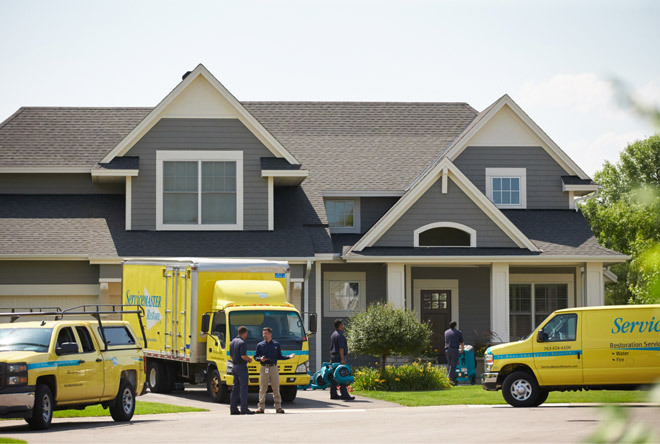
Finding mold in your home or business can be unsettling. You may worry about your family’s health, the safety of your building, and how quickly the problem will spread. At ServiceMaster Fire and Water Restoration by Rapid Response, we provide prompt mold remediation Santa Fe County property owners can turn to when they need clear answers and reliable service.
Our team has the backing of more than 65 years of disaster restoration experience through the ServiceMaster Restore network. We respond 24 hours a day, 7 days a week, every day of the year, and we work to restore your property to its pre loss condition. Whether mold is caused by a recent leak, past water damage, or long term moisture, we are ready to help you move from uncertainty to a clear plan.
Why Choose Our Mold Damage Remediation Company
When you search for a mold damage remediation company Santa Fe County residents can rely on, you need more than a name and a phone number. You need a team that understands how to protect people, property, and peace of mind at the same time. We approach every mold project with that goal in mind.
Our professionals are highly trained and follow recognized industry guidelines for handling mold and related water damage. We use advanced inspection tools and proven remediation methods so that our work is thorough and focused on safety. Because mold often appears along with other issues, such as water intrusion, sewage backups, or storm damage, our comprehensive restoration services mean you have one coordinated team instead of several unrelated contractors.
Clear communication is at the center of how we work. From the first call, we explain what we see, what we recommend, and what you can expect day by day. Our goal is to reduce surprises, answer your questions in plain language, and support you from the initial visit through follow up and quality checks.
Signs Of Mold Damage & When To Call Our Team
Many property owners are not sure whether they are dealing with a minor surface problem or a more serious mold issue. Paying attention to early signs can help you act before damage spreads or health concerns increase. If you are unsure, it is always reasonable to ask for a professional evaluation.
Common warning signs include musty or earthy odors that return even after cleaning, spots or patches that look like mold on walls, ceilings, or contents, and staining that seems to grow over time. You might also notice warped baseboards, soft drywall, or peeling paint in areas that have had leaks or condensation. In some cases, people inside the building experience more coughing, sneezing, headaches, or breathing difficulty when they are in certain rooms.
If you see widespread growth, suspect mold inside walls or under flooring, or if anyone in the property has asthma, allergies, or a weakened immune system, it is wise to contact our team. We can help you understand the likely source of the problem and recommend next steps. Even if the issue turns out to be small, you gain peace of mind by knowing a trained team has taken a close look.
Our Mold Remediation Process From Inspection To Restoration
Not knowing what will happen after you call can be just as stressful as the mold itself. We work to remove that uncertainty by following a clear, step by step remediation process. While every property is different, the core stages of our work are consistent and designed to protect both people and structures.
Assessment & Planning
We start with a conversation about what you have observed and any past water events or plumbing issues. During our on site assessment, our professionals look for visible mold, signs of moisture, and areas where water may be entering or collecting. We document conditions and discuss our findings with you so that you understand what we see and why we recommend certain actions.
Containment, Removal & Cleaning
When remediation is needed, we typically set up containment around affected areas to help prevent spores from spreading to clean spaces. We use air filtration equipment to help capture particles from the air, and we follow safety practices that align with industry standards. Depending on the situation, remediation may involve removing damaged porous materials, cleaning and treating surfaces, and carefully handling contents that have been affected.
Drying, Moisture Control & Follow Up
Addressing the underlying moisture source is essential. Without doing that, mold is more likely to return. As part of the process, we identify and help address leaks or other moisture problems, and we use appropriate drying techniques for building materials. Throughout the project, we communicate progress, discuss any new findings, and work to keep the process as smooth as possible. When work is complete, our quality checks and follow up give you added confidence in the results.
Mold Risks For Homes & Businesses In The Area
Properties in Santa Fe County face a mix of climate and construction factors that can contribute to mold when moisture is present. Seasonal storms, including summer monsoon rains, can lead to roof leaks, window leaks, or water intrusion in basements and lower levels. Even in a generally dry climate, small but persistent sources of moisture can create conditions where mold grows behind the scenes.
Many homes and buildings here use adobe, stucco, or mixed construction. These structures can perform well in the local environment, but they still rely on proper drainage, intact roofing, and functional plumbing. When water bypasses those protections, it can seep into walls or crawlspaces and remain there longer than most owners realize. Flat or low slope roofs and older windows are examples of features that may be more prone to leaks if maintenance is delayed.
For businesses, mold brings additional concerns. A musty odor or visible growth can affect how customers feel when they enter, and employees who are sensitive to mold may experience more symptoms at work. Inventory, equipment, and fixtures can be at risk if moisture is not controlled. Our team understands these practical challenges, and we work with owners and managers to create remediation plans that consider both safety and the need to keep operations moving where possible.
What To Do If You Discover Mold Damage
When you first notice mold or signs of moisture, it can be hard to know what to do next. Taking a few careful steps can help protect your health and make remediation smoother, especially while you are arranging for professional help. The goal is to avoid spreading the problem while you gather information and contact our team.
If you see extensive growth or mold that covers a large area, avoid disturbing it by scrubbing or cutting into it. Try to limit traffic in and out of the affected space, especially for children, older adults, and people with breathing issues. If a leak is active and you can safely stop the water, such as by turning off a supply valve, that simple step may prevent further damage.
It can be helpful to take clear photos or short videos of what you see. This documentation may support conversations with insurers or other parties involved in your property. Then, reach out to our team and describe the situation, including when the issue began and whether the property has had recent plumbing problems, roof leaks, or flooding. We will explain what we can do, help you understand timing, and schedule a visit based on the urgency of your situation.
Coordinated Restoration After Mold & Water Damage
Mold rarely appears without some connection to moisture. A past pipe break, roof leak, sewage backup, or storm related damage often sets the stage for growth. Handling these issues separately with different providers can be time consuming and confusing. Choosing a single team that can coordinate related services can make the entire experience more manageable.
At ServiceMaster Fire and Water Restoration by Rapid Response, we provide more than mold cleanup. Our services include weather damage restoration, water removal and structural drying, sewage cleanup, odor removal, and repairs for other types of property damage. This means we can look at your situation as a whole, rather than treating mold as an isolated issue. For example, if mold growth began after a long standing roof leak, we address both the affected materials and the moisture that allowed mold to take hold.
We also understand that communication is crucial when multiple types of damage are involved. Our team works to keep you updated on each step, explain how different phases relate to one another, and coordinate schedules so the work moves forward efficiently. When insurance carriers are involved, we can provide information about the damage and the services performed, which can support the claim process. Our goal is to reduce your workload, not add to it.
Frequently Asked Questions
How Quickly Can Your Team Respond To Mold Damage?
We respond to calls for mold and related damage at any time, day or night. Response times depend on factors such as location, weather, and the number of concurrent emergencies, but our goal is always to assist as quickly as conditions allow. When you contact us, we ask a few questions about what you are seeing so we can gauge urgency and plan appropriately. In situations involving active water leaks or concerns about highly sensitive occupants, we work to prioritize the visit. Even if on site arrival takes some time, our team can often provide immediate guidance by phone about steps to take while you wait.
Can I Stay In My Home During Mold Remediation?
In some cases, you may be able to remain in your home while remediation is underway, and in other cases temporary relocation of certain occupants or activities may be recommended. The decision depends on the size and location of the affected areas, the type of work needed, and the health of those living in the property. During our assessment, we discuss these factors with you and explain our recommendations. When it is safe and practical to stay, we work to set up containment, plan work hours, and manage equipment placement to minimize disruption. If we believe that certain people should avoid the property while work is performed, we explain why and help you understand expected timeframes.
How Do You Find Mold That Might Be Hidden Behind Walls?
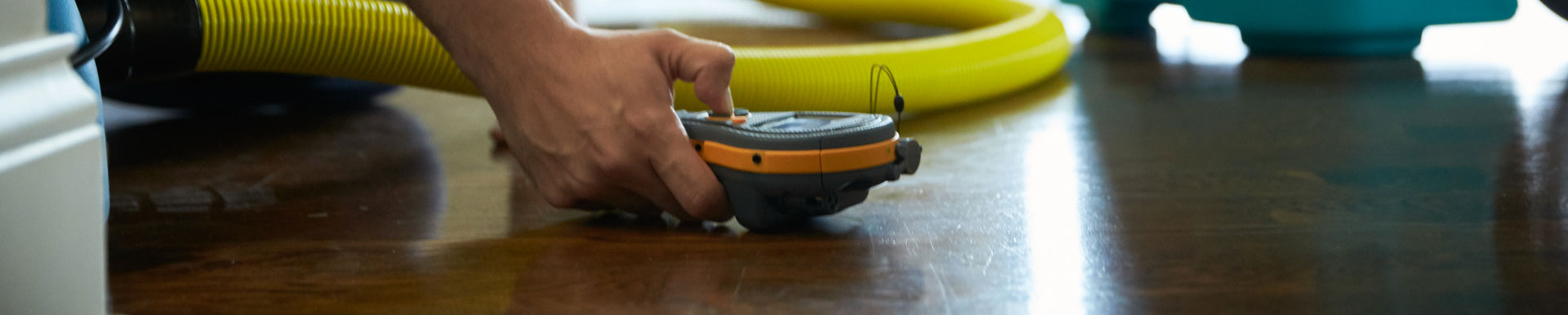
Hidden mold is often linked to moisture that has reached spaces behind walls, under flooring, or in ceiling cavities. Our team looks for patterns in staining, warping, or moisture readings that suggest where water has traveled. We may use moisture meters, thermal imaging, or other tools to help identify damp areas that are not visible on the surface. In some situations, limited and targeted openings in materials are needed to confirm conditions and plan proper remediation. We always discuss these steps with you first, explain what we hope to learn, and review what we find so you are informed about the condition of your property.
What Should I Do Before Your Technicians Arrive?
Before our technicians arrive, focus on safety and simple preparations. If there is standing water from a recent leak and you can safely turn off the water source or electricity to a specific area, doing so can help limit additional damage. Try to keep people and pets away from spaces with visible mold growth, particularly if anyone has asthma, allergies, or other respiratory issues. You may want to gather any information you have about the property’s history of leaks or past water events, as this can help us understand the bigger picture. If you took photos or videos of the affected areas, keep those available for review. Beyond that, we do not expect you to perform extensive preparations. Our team will assess the situation and outline the steps we will take once we are on site.
How Long Does Mold Remediation Usually Take?
The length of a mold remediation project varies based on the size of the affected area, the complexity of the building, and the extent of underlying moisture damage. Smaller, contained projects may be completed in a shorter period, while larger or more complicated situations can require several phases. These phases may include containment set up, removal of damaged materials, cleaning and treatment, structural drying, and any follow up restoration activities. After our initial assessment, we provide a general timeline for your specific situation and update you if new information is uncovered. Our goal is to work efficiently while maintaining safety and quality at each step.
Will You Help With Water Damage Related To The Mold Problem?
Yes, our services address many of the water related issues that contribute to mold growth. We handle tasks such as water extraction, drying of affected materials, and cleanup after sewage incidents or storm damage. By managing both moisture and mold, we work to reduce the risk of recurring problems. When additional repair trades or services are needed beyond our scope, we communicate that clearly so you understand which parts we will handle and where other professionals may need to be involved. This coordinated approach helps you see the full path from initial damage through to a restored property.
How Will I Know The Mold Has Been Properly Addressed?
You will receive information about what we found, what work was performed, and which areas were involved. During and after remediation, we communicate about the condition of the building materials, the status of moisture levels, and the steps taken to address both visible growth and underlying causes. Our team focuses on resolving the moisture source whenever it is within our scope so that the same conditions do not continue to feed new growth. We encourage you to ask questions throughout the process, and we review the completed work with you so that you understand the outcome. Our follow up and quality checks are designed to give you added confidence in the results.
Contact Our Team For Mold Damage Help
If you have discovered mold or suspect hidden moisture in your home or business, you do not have to sort it out alone. Our team at ServiceMaster Fire and Water Restoration by Rapid Response is ready to listen to your concerns, explain your options, and provide professional mold remediation Santa Fe County property owners can depend on in challenging moments. From the first call through the final walkthrough, we work to protect your health, your property, and your peace of mind.
With the backing of more than 65 years of restoration experience, 24/7 availability, and a compassionate approach, we strive to make a difficult situation more manageable. Whether the issue is limited to one room or connected to broader water damage, we will guide you through the process and keep you informed at each step. Reach out today so we can help you move toward a cleaner, safer, and restored environment.
Mold Remediation in Santa Fe County. Contact us today! Call(505) 257-6301 for fast service from ServiceMaster Fire and Water Restoration by Rapid Response.