Sewage Backup Cleanup Services in Denver, CO
Protect Your Home and Health with Expert Sewage Cleanup in Denver
Picture this: a homeowner in Park Hill wakes up after a night of heavy rain and fast snowmelt. Instead of the smell of fresh coffee, there’s a sour, unmistakable odor seeping up from the basement. A quick look downstairs confirms the worst, sewage water pooling across the floor.
It’s more than a bad morning. A sewage backup is considered a Category 3 water event under IICRC S500 standards. That means it’s loaded with harmful pathogens and requires specialized biohazard cleanup. In Denver, older clay sewer lines, tree root intrusion, and sudden thaws can make backups a real risk in neighborhoods from Capitol Hill to Washington Park.
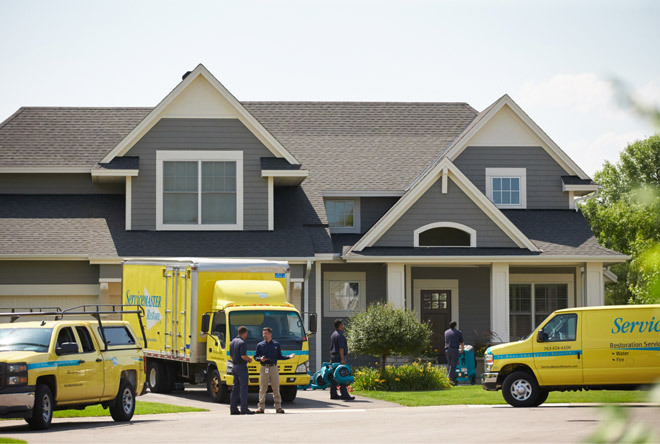
The good news? ServiceMaster Fire and Water Restoration has the right equipment, training, and biohazard protocols to handle these emergencies safely. When you need fast, expert sewage backup and cleanup services in Denver, CO, we’re the team to call.
Understanding the Risks of Sewage Backups in Denver Homes
Sewage water isn’t just unpleasant, it’s dangerous. Category 3 water contains bacteria, viruses, parasites, and even chemical contaminants. Common pathogens include:
- E. coli and Salmonella – cause severe gastrointestinal illness
- Hepatitis A virus – spreads through contaminated surfaces
- Parasites like Giardia – trigger stomach and intestinal infections
These contaminants don’t stay neatly contained. Aerosolized droplets can spread through the air. Porous surfaces like carpet, drywall, and insulation act like sponges, holding contamination inside your home.
Denver’s infrastructure adds another layer of risk. Freeze-thaw cycles crack old sewer laterals, tree roots invade clay pipes, and heavy runoff overwhelms municipal systems. According to CDC guidance, prolonged exposure to raw sewage can cause respiratory illness, skin infections, and long-term health complications. Within hours, contamination can infiltrate HVAC ducts and wall cavities, which is why time matters.
Common Causes of Residential Sewage Backups in Denver, CO
Sewage backups in Denver homes often trace back to a few repeat offenders:
- Tree root intrusion – Older neighborhoods like Washington Park and Congress Park often have clay sewer lines vulnerable to roots.
- Household clogs – Grease, wipes, and debris create stubborn blockages.
- Heavy snowmelt or rain – Denver’s combined sewer systems can become overloaded quickly.
- Collapsed or misaligned laterals – Homes built decades ago may have shifting or cracked sewer connections.
- Frozen pipes – Deep winter cold snaps can freeze pipes, creating blockages that push wastewater back into the home.
Why Sewage Backup Cleanup Requires Professional Intervention
Some homeowners are tempted to tackle a backup with bleach and buckets. The truth? DIY cleanup is difficult and potentially can be hazardous to your health.
- IICRC classification: Sewage water is Category 3, the most hazardous level.
- Hidden contamination: Sewage seeps into drywall, subflooring, and insulation where surface cleaning won’t reach.
- Professional-grade solutions: EPA-approved disinfectants, protective equipment, and moisture mapping tools are required to ensure complete cleanup.
At ServiceMaster Fire and Water Restoration, our technicians are trained in sewage and biohazard cleanup. We use industrial extraction systems, hospital-grade disinfectants, and structural drying equipment to ensure your home is safe and habitable again.
Our Step-by-Step Approach to Sewage Backup and Cleanup Services in Denver, CO
Every backup requires urgency and precision. Here’s what our process looks like:
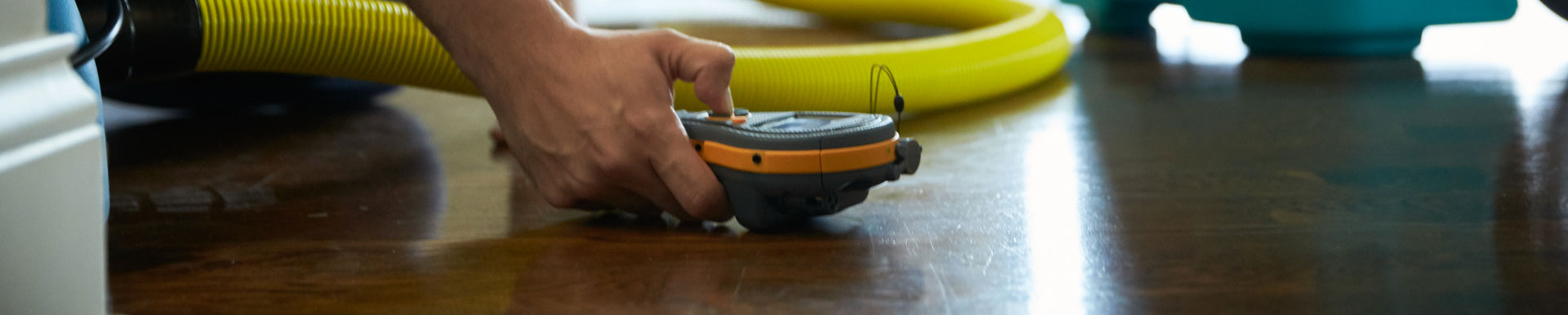
- Inspection & Assessment - Moisture meters, thermal imaging, and contamination testing identify where sewage has spread.
- Extraction - Truck-mounted pumps remove wastewater fast, preventing further absorption.
- Material Removal - Contaminated carpet, drywall, and insulation are safely bagged and disposed of per biohazard regulations.
- Disinfection - Hospital-grade antimicrobial agents neutralize pathogens on all affected surfaces.
- Drying & Dehumidification - Industrial air movers and dehumidifiers protect against mold growth in the aftermath.
How Denver’s Climate Impacts Sewage Backup Cleanup
Denver’s unique climate can complicate cleanup and prevention:
- Rapid temperature swings cause sudden thaws that overwhelm sewers.
- Snowmelt infiltration seeps into cracked sewer laterals, pushing wastewater back into basements.
- Clay-heavy soils around foundations trap moisture, slowing drainage after a backup.
- Older basements without modern waterproofing are prone to seepage and contamination spread.
A proactive step is scheduling pre-winter plumbing inspections. Identifying cracks, root intrusion, or vulnerabilities before snow and ice hit can help avoid mid-season emergencies.
Preventing Future Sewage Backups in Your Home
While not every backup is preventable, smart maintenance goes a long way:
- Schedule regular sewer line inspections with a camera service.
- Install backwater prevention valves to stop sewage from reversing flow.
- Avoid flushing grease, wipes, or non-flushable products.
- Maintain gutters and drains to handle snowmelt and rain runoff.
- Book annual plumbing checkups to catch small problems before they escalate.
Health and Safety Precautions During a Sewage Backup
If you discover a sewage backup in your home:
- Evacuate the affected area immediately, especially children and pets.
- Avoid direct contact with contaminated water or surfaces unless wearing PPE.
- Shut down HVAC systems to keep contaminants from circulating.
- Do not attempt to salvage porous items (carpet, furniture, mattresses) without professional cleaning.
- Call a certified cleanup team right away as time is critical.
Call ServiceMaster Fire and Water Restoration for 24/7 Sewage Backup Cleanup
A sewage backup can turn dangerous quickly. Protect your health and your home by calling ServiceMaster Fire and Water Restoration for expert sewage cleanup in Denver. Our team is available 24/7 with certified solutions, industrial-grade equipment, and the experience to restore your home safely and completely.
Frequently Asked Questions
How quickly should sewage backup cleanup start?
Cleanup should begin within hours. Category 3 water causes irreversible damage and serious health hazards if untreated.
Can I stay in my home during sewage cleanup?
In most cases, no. Contaminated areas must be sealed and sanitized before it’s safe to return.
Will my homeowner’s insurance cover sewage backup cleanup?
Many policies require an additional endorsement for sewer backup coverage. Contact your insurance provider to confirm your coverage details.