Flooded Basement Cleanup Services in Denver, CO
Fast, Local Help for Denver Basement Flooding
Basement flooding in Denver isn’t just an inconvenience — it’s a structural and safety emergency that can get worse by the hour. In neighborhoods from Wash Park to Park Hill, older homes often sit on porous concrete foundations or stone walls that were never designed to withstand the hydrostatic pressure we see today. Add our heavy spring snowmelt, sudden summer cloudbursts, or a clogged city drain during a September downpour, and you’ve got the perfect storm for a flooded basement.
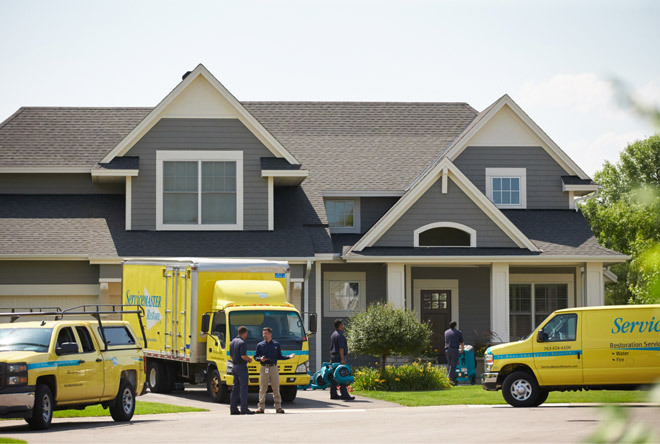
At ServiceMaster Fire and Water Restoration, we know exactly how quickly water can ruin building materials, create hidden mold hazards, and weaken your home’s foundation. Our team responds fast, follows IICRC S500 standards for water damage restoration, and brings the expertise to not only remove water but also protect your home from lasting damage.
Don’t let a flooded basement weaken your home—act fast with expert cleanup and drying. ServiceMaster Restore makes recovery safe and efficient.
Why Basement Flooding in Denver Is Different
Denver’s climate and building stock make basement flooding unique — and uniquely destructive if it’s not handled right.
- Expansive clay soils in many Denver neighborhoods trap water, increasing hydrostatic pressure on basement walls after storms.
- Sudden temperature swings can push snowmelt into foundation cracks in February and March.
- Older homes in Capitol Hill, City Park, and Berkeley often have aging drain tiles or no waterproofing at all.
- Urban drainage backups are common in low-lying neighborhoods like Globeville after intense summer thunderstorms.
- Finished basements with drywall, carpet, and electrical systems require specialized restoration to prevent secondary damage.
Ignoring these risks — or attempting DIY cleanup — can turn a one-day flood event into a months-long mold, odor, and structural nightmare.
The First Hours After a Basement Flood: What Really Matters
Most homeowners underestimate how fast water damage escalates. Here’s what happens within the first 48 hours:
- Within 1–4 hours: Water begins wicking up drywall and seeping under baseplates. Electrical systems in contact with water can short or spark.
- Within 8–12 hours: Wood framing begins to swell. If floodwater is contaminated (Category 3), bacteria and pathogens begin spreading rapidly.
- Within 24 hours: Mold spores can germinate on damp organic materials. Carpet padding becomes saturated and unsalvageable.
- Within 48 hours: Moisture moves deep into concrete pores, requiring industrial drying to prevent long-term damage.
- Beyond 48 hours: Hidden cavities stay wet, creating structural rot and persistent odor problems.
This is why our team offers 24/7 emergency flooded basement cleanup in Denver — because waiting until morning is rarely safe.
Comprehensive Water Extraction and Structural Drying
Removing visible water is only the first step. Our process is designed to leave your basement truly dry — not just surface-dry.
- High-capacity truck-mounted pumps to remove standing water quickly.
- Portable extraction units for tight spaces and delicate finishes.
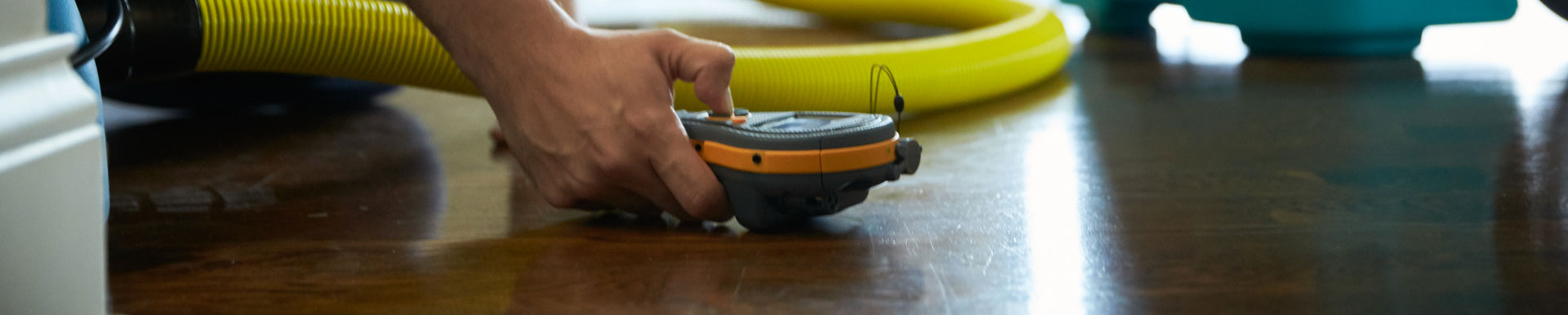
- Thermal imaging cameras to locate water behind walls, under floors, and in insulation.
- Desiccant and refrigerant dehumidifiers calibrated for Denver’s fluctuating humidity levels.
- Air movers positioned for crossflow drying to prevent stagnant moisture pockets.
Following IICRC S500 guidelines, we measure moisture levels throughout the process to ensure every material is returned to its safe, dry standard.
Water damage can hide under the surface and cause hidden mold risks—let professionals extract moisture and protect your structure today.
Electrical & Safety Concerns in a Flooded Basement
Water and electricity are a dangerous mix. In Denver’s older homes, electrical systems may be lower in the basement and more prone to water exposure.
- Breaker panel location: Many are basement-mounted and can be submerged in even a moderate flood.
- Hidden live wires: Wiring inside walls can remain energized even if outlets are wet.
- Gas appliance risks: Furnaces, water heaters, and dryers in basements can be damaged by water, creating fire or explosion hazards.
- Contaminated HVAC systems: Floodwater can enter ductwork, spreading bacteria and odors throughout your home.
Our crews work with licensed electricians and HVAC techs to ensure the space is safe before restoration begins.
Mold and Indoor Air Quality After Basement Flooding
In Denver’s semi-arid climate, homeowners sometimes believe mold isn’t a big risk — but basements are different. Limited sunlight, cooler temperatures, and high humidity after a flood create ideal mold growth conditions.
- Drywall and wood framing can harbor mold colonies within 24–48 hours.
- Carpet and padding absorb moisture and organic debris, feeding mold growth.
- Insulation behind finished walls often stays wet and must be replaced.
- Airborne spores can spread upstairs via HVAC systems.
We follow IICRC S520 mold remediation protocols when needed, ensuring your basement is not just dry but safe for long-term use.
Protecting Foundation Integrity
Floodwater isn’t just a surface problem — it can threaten the structural stability of your home.
- Hydrostatic pressure from Denver’s expansive soils can cause bowing or cracking basement walls.
- Freeze-thaw cycles force water deeper into concrete pores, expanding cracks.
- Mortar joint deterioration in older stone foundations can accelerate after saturation.
- Long-term seepage can rust reinforcing steel, weakening the wall’s load capacity.
We partner with structural specialists when needed to evaluate and stabilize affected areas. Fast drying is critical to prevent permanent damage.
Every minute counts after flooding—our extraction and drying services bring peace of mind back to your home before issues escalate.
Local Prevention Tips from Denver Basement Flood Experts
We don’t just restore — we help homeowners prevent future basement flooding.
- Test your sump pump before spring snowmelt and summer storm season.
- Clean gutters and downspouts to direct water away from your foundation.
- Install backwater valves if you live in neighborhoods prone to sewer backups.
- Grade your landscaping so water flows away from your home.
- Seal foundation cracks before they widen during freeze-thaw cycles.
If you’ve already had a basement flood, prevention upgrades are often the smartest investment to avoid repeat damage.
Why Denver Homeowners Trust ServiceMaster Fire and Water Restoration
When your basement floods, you need more than a wet/dry vacuum — you need a team that knows Denver homes, Denver weather, and Denver soils.
- Local expertise: We understand the risks from Lakewood to Aurora, from the Highlands to Hampden South.
- Certified technicians: Our crews are trained to IICRC standards for water damage, mold remediation, and structural drying.
- Advanced technology: From moisture meters to desiccant dehumidifiers, we bring the right tools for Colorado’s climate.
- Comprehensive solutions: We handle water extraction, drying, sanitizing, and repairs — not just the quick cleanup.
Basement flooding is stressful — but with our 24/7 emergency response, you never have to face it alone.
Call Now for Immediate Flooded Basement Cleanup in Denver, CO
If your basement is flooding right now, don’t wait for it to “dry on its own” — the damage will only get worse. Call ServiceMaster Fire and Water Restoration for fast, professional cleanup backed by decades of Denver experience. We’ll get the water out, dry your home to safe moisture levels, and help protect your property from lasting damage.
Call us now — we’re here 24/7 to help Denver homeowners recover quickly and safely.
A flooded basement can be overwhelming, but recovery doesn’t have to be—call ServiceMaster Restore now for fast, thorough cleanup and structural care.