Commercial Drying and Dehumidification Services in Seattle, WA
Seattle businesses know the city’s rain isn’t just a backdrop — it’s a constant factor that can infiltrate even the sturdiest commercial buildings. Older brick and concrete structures, high humidity, and proximity to Lake Union or Puget Sound all increase the risk of moisture intrusion. Even small leaks or unnoticed flooding can disrupt operations, damage electronics, and create conditions ideal for mold growth.
From offices in Capitol Hill and Queen Anne to retail spaces in Ballard, excess moisture and outdated ventilation systems create hidden risks. Even minor water intrusion can seep into subfloors, ceiling tiles, and wall cavities, compromising structural integrity. That’s why professional commercial drying and dehumidification services in Seattle, WA are essential for protecting your property and keeping operations running safely.
Seattle Businesses Can’t Wait for Drying — Protect Your Assets Now
Every hour matters when water infiltrates your commercial space. Delays allow moisture to penetrate building materials, damage inventory, and trigger mold growth. Rapid professional intervention keeps your business running and reduces the cost and complexity of repairs. Early action also helps preserve office furnishings, electronics, and documents, which are often costly or impossible to replace.
How Commercial Drying Services Protect Seattle Properties from Hidden Moisture Risks
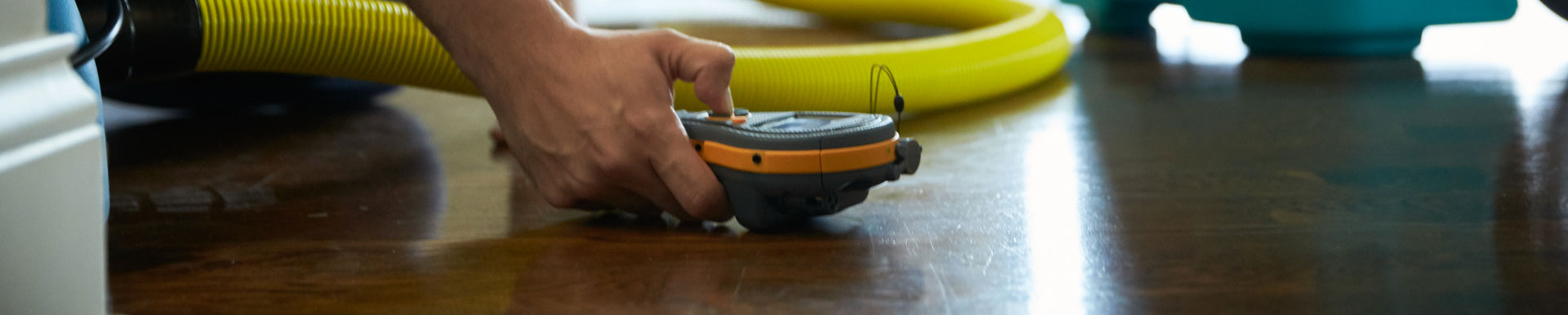
Surface-level drying is never enough. Seattle’s high humidity slows evaporation, allowing water to remain trapped behind drywall, under subfloors, and above ceiling tiles. Our technicians use commercial water damage drying techniques — including moisture meters and thermal imaging — to locate hidden damp areas.
We combine air movers, desiccant dehumidifiers, and negative air pressure systems to accelerate drying in large commercial spaces. All work follows IICRC S500 standards, ensuring proper drying times, controlled humidity levels, and detailed documentation for insurance needs. The goal is not only to remove water but to stabilize the environment and prevent mold or structural deterioration.
What Happens When Moisture Lingers in Walls, Floors, and HVAC Systems
Unaddressed moisture leads to mold growth, corrosion, and damage to insulation and ductwork. Sensitive areas like drop ceilings and raised floors can put server rooms and electronics at risk. MDF and other porous materials swell and warp when wet, creating structural concerns.
Using industrial dehumidification equipment, our team stabilizes the environment and protects both indoor air quality and building materials. Lingering dampness increases long-term repair costs and creates unhealthy conditions for employees and customers, making timely drying essential.
Dehumidification Equipment and Techniques Tailored for Seattle’s Rainy Climate
Seattle’s climate requires specialized commercial drying tools. Depending on the temperature and humidity, we use desiccant or refrigerant dehumidifiers — often in combination for maximum effectiveness. High-capacity, trailer-mounted units are sometimes needed in areas like South Lake Union or Georgetown.
Controlled air circulation, vapor pressure management, and continuous monitoring ensure that all affected materials dry thoroughly. Our emergency moisture removal services are tailored to each building, and DIY methods rarely achieve the controlled drying necessary to prevent mold and long-term damage.
Time Is Critical: Why Every Hour of Delay Increases Restoration Costs
Water damage spreads quickly. Within hours, drywall can sag; within 24 hours, microbial growth can begin. Moisture travels laterally through porous surfaces like concrete and cinderblock, which are common in Seattle commercial properties. Layered flooring traps water unless properly removed and dried.
We track humidity, temperature, and material dryness to meet IICRC dry standards. Fast action minimizes downtime, reduces repairs, and helps streamline insurance claims. Early intervention also supports temporary workspace planning or partial occupancy when needed.
How Commercial Drying Helps You Stay in Business — or Get Back Faster
Effective drying is not just about the building — it’s about business continuity. With containment strategies such as plastic barriers, critical areas can remain usable during restoration. Rapid moisture removal protects sensitive equipment and inventory across retail, tech, and manufacturing environments, reducing mold exposure for employees and customers.
In high-traffic areas like Belltown or Pioneer Square, downtime has immediate financial impact. Our team designs drying plans that prioritize safety, operational continuity, and minimal disruption.
Tailored Solutions for Seattle’s Mixed-Use and High-Density Commercial Properties
Seattle’s diverse commercial architecture — from high-rises to mixed-use buildings — presents unique challenges. Our technicians assess airflow restrictions, water intrusion sources, and building materials to create targeted mitigation plans.
Common intrusion sources include roof leaks, foundation seepage, and HVAC condensation. Our commercial drying and dehumidification services in Seattle, WA are customized to each property’s needs, ensuring effective and efficient moisture removal.
We Work with Insurance — or Directly with You
ServiceMaster of Seattle works with all major insurers to simplify claims and provide complete documentation. We also offer direct-pay options for businesses handling restoration independently.
Clients receive daily logs, moisture mapping, and photos for full transparency. Clear communication and accurate reporting reduce stress and keep projects moving smoothly.
Contact Us Today
Moisture won’t disappear on its own — and in Seattle, waiting it out isn’t an option. Call ServiceMaster of Seattle today for expert commercial drying and dehumidification services that protect your building, inventory, and employees.
Frequently Asked Questions
How long does it take to fully dry a commercial space?
Most projects take 3–7 days depending on materials and weather. Technicians monitor humidity and moisture daily to ensure IICRC-approved dry standards are met.
Will dehumidifiers alone solve the problem?
Not always. Dehumidifiers are essential, but air movers, negative pressure, and occasionally heat drying are required to remove hidden moisture.
Can you dry my building without tearing everything out?
Often yes. If moisture is detected early and materials are not severely saturated, many components can be dried in place. Removal is only done when absolutely necessary.
Protect your business from Seattle’s moisture challenges with certified commercial drying and dehumidification. Our team is ready 24/7 to respond fast.
Schedule Service Today