
Flooded Basement Cleanup and Restoration Services in Seattle, WA
Don’t Let a Wet Basement Ruin Your Home’s Foundation or Your Peace of Mind
In Seattle, flooded basements are more common than you might think. With relentless rainfall, aging infrastructure, and high water tables around Green Lake, Lake Union, and Ballard, even well-built homes can take on water. And in neighborhoods like West Seattle or Shoreline, older construction adds another layer of risk.
At ServiceMaster of Seattle, we understand what you're dealing with. Our Flooded Basement Cleanup and Restoration Services in Seattle, WA are designed for real homes in real neighborhoods, from Bellevue to Renton. We’re not just removing water, we’re helping restore your space and your peace of mind.
We know how fast a minor basement leak can escalate into something major. If you’re facing a flood, you don’t have to handle it alone.
What Makes Basement Flooding So Dangerous for Seattle Homes
Seattle’s landscape and weather both work against homeowners when it comes to keeping basements dry. Our region’s high water table, constant rain, and aging sewer lines mean flooding isn’t just possible, it’s likely at some point.
Once water gets inside, it often enters through foundation cracks or unsealed joints. That water doesn’t just sit, it moves fast. It seeps into wall cavities, soaks into insulation, and spreads under floors. In as little as 24 to 48 hours, mold can start to form, and damage becomes more severe.
There are also safety concerns. Flooded basements may contain hidden electrical risks or gas leaks. According to IICRC S500 standards, quick action is critical not only for structural protection but also for your safety.
How We Find Hidden Moisture and Prevent Long-Term Damage
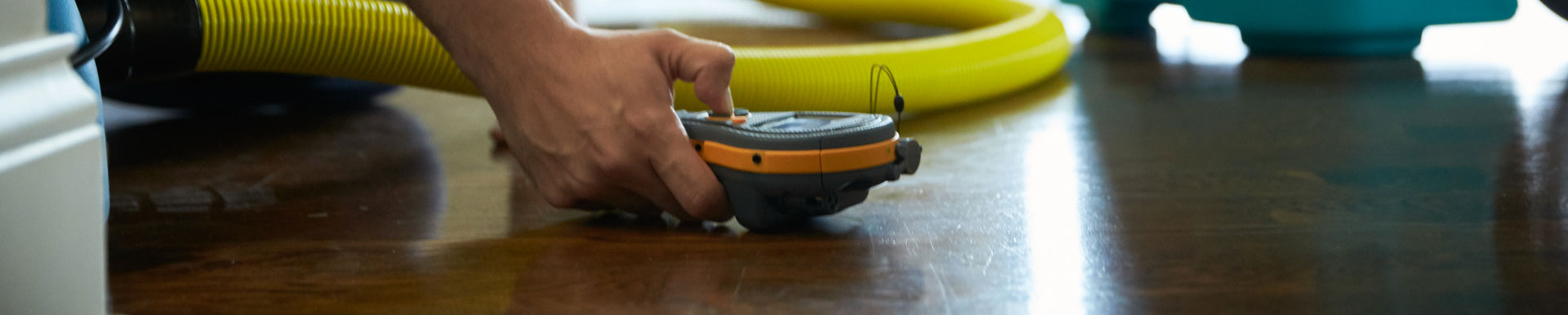
A wet carpet or visible puddle is just the beginning. Many of the worst effects of a flooded basement are invisible to the eye. That’s why we use high-tech tools like infrared cameras and moisture meters to detect water behind walls and under flooring.
This is especially important in Seattle homes with finished basements, which are common in areas like Rainier Valley and Northgate. Water can travel underneath hardwoods, behind built-ins, or under tile without ever showing on the surface.
We document everything for your insurance provider, and we follow up with targeted drying to stop mold growth before it starts. If you assume things are dry just because they look that way, you could be leaving moisture trapped where it will do the most harm.
Rapid Water Extraction to Protect Your Home’s Structure
When your basement floods, the faster you remove water, the more you protect your home. We use industrial extraction tools to pull water out fast, even in tight spaces. This step alone can save flooring, reduce drywall damage, and prevent structural issues.
Seattle’s cool, damp weather slows the drying process, so we use strategies that work in high-humidity environments. These include desiccant dehumidifiers, specialized air movers, and cavity drying systems to push dry air behind walls.
We follow IICRC drying standards closely. That means no guesswork, no shortcuts, and no missed pockets of moisture that could lead to warped wood, peeling paint, or mold a few weeks later.
Protecting Against Mold After a Basement Flood
Mold needs three things: moisture, a food source, and time. In Seattle, two of those are already built in. If your basement floods and doesn’t dry fully, mold can begin growing in as little as 24 hours.
To prevent that, we treat vulnerable surfaces with EPA-registered antimicrobials, clean affected areas thoroughly, and use air scrubbers to protect your indoor air quality. We also inspect your HVAC system to make sure it hasn’t pulled in damp air or spores from the flood zone.
Basements with carpeting, particleboard cabinetry, or drywall are particularly vulnerable. We’ll assess which materials can be cleaned and salvaged, and which need to be replaced to ensure lasting protection.
Why Seattle’s Older Homes Need Special Attention
From Queen Anne to Beacon Hill, many Seattle homes were built before waterproofing was a construction standard. These homes often feature stone or brick foundations, aging sump pumps, and poor drainage design that leads water straight into the basement.
Some lack vapor barriers entirely, which means groundwater can seep in during even moderate rain. Others may have historic features that need careful preservation during restoration. Our technicians are trained to recognize and respect these characteristics while ensuring your home is thoroughly dried and protected.
Moisture trapped in old plaster walls or behind lathe and plaster finishes is a common issue, and if not found early, it can cause decay or mold that appears weeks later.
How to Keep Your Basement Dry in the Future
Once your basement is cleaned up, we help you plan for the next storm. Small upgrades can go a long way toward prevention.
- Redirect water using proper grading and landscaping.
- Install or upgrade your sump pump with a battery backup system.
- Seal visible cracks in your foundation or walls.
- Add dehumidifiers to manage moisture in finished spaces.
- Clean gutters and check downspouts regularly to prevent overflow.
We also recommend interior drain tile systems for homes that flood frequently or sit on sloped lots. Our team can walk you through options that make sense for your home and your budget.
Seattle’s Rain Won’t Wait, and Neither Should You
If you need Flooded Basement Cleanup and Restoration Services in Seattle, WA, call ServiceMaster of Seattle today. Whether you’re in Renton, Bellevue, or West Seattle, our team is available 24/7 to get your basement dry, your home safe, and your stress level down.
Frequently Asked Questions
How soon should I call after my basement floods?
Right away. Mold and structural damage can begin within hours. The sooner we arrive, the more we can save.
Can water damage my foundation?
Yes. Floodwater increases pressure around your foundation and can lead to cracks or even wall movement over time.
Will my insurance cover basement flood cleanup?
That depends on the cause. Groundwater or stormwater may not be covered unless you have flood insurance. We’ll help document the damage and communicate with your provider.