Flooded Basement in Mountain Home
24/7 Basement Water Damage Response When You Need It Most
If you have walked downstairs and found water in your basement, you need help fast. A flooded basement can damage flooring, walls, furniture, and storage in a matter of hours, and it can create serious safety concerns. At ServiceMaster of West Plains, we respond around the clock to help homeowners in Mountain Home, AR take control of sudden water damage.
We understand how overwhelming it feels to see water spreading through a space you rely on for storage, laundry, or living area. You may be wondering if it is safe to go down, what you should move first, and whether your insurance will help. Our team is here to answer those questions, start the cleanup, and guide you through the next steps.
Backed by more than 65 years in disaster restoration, we bring trained professionals, advanced equipment, and a calm, organized approach to every flooded basement. When you call, we work to respond quickly, assess the situation, and begin the process of protecting your home and belongings.
For immediate help with a flooded basement, call (417) 275-6993 now.
Immediate Help For Your Flooded Basement
Basement flooding in this part of Arkansas often happens with no warning. Heavy rains, an overwhelmed sump pump, a burst water heater, or a broken supply line can all send water into the lowest level of your home. One minute everything looks normal, and the next there is standing water spreading across the floor.
In those first moments, most homeowners worry about safety, the cost of repairs, and what will be lost if the water keeps rising. You may not have time to research many options. That is why we keep our emergency line open 24 hours a day, every day of the year, so you can reach a live person who understands flooded basements and can start the response process right away.
When you contact ServiceMaster of West Plains, our goal is to make those first decisions easier. We gather key details about the water source, the amount of visible damage, and any safety concerns you have noticed. Our technicians are highly trained and certified in water damage restoration, so when they arrive they already have a plan to start controlling the situation instead of simply looking around.
Because we work with weather damage, plumbing incidents, and related issues every day, we are familiar with the way basements in Mountain Home are built and used. That local understanding helps us anticipate where water may be hiding, which materials are most at risk, and what it will take to dry the space as thoroughly as possible.
Our Flooded Basement Cleanup Process
Knowing what will happen once help arrives can relieve a lot of stress. We follow a structured process for flooded basement cleanup that focuses on safety, thorough drying, and clear communication. While every situation is unique, there are several steps you can typically expect when our team comes to your home.
Initial Safety Check & Assessment
First, we perform a safety check before work begins. This may include looking at visible electrical hazards, checking for signs the water could be contaminated, and assessing how deep the water is. If there are clear safety concerns, we communicate these right away and explain how we will proceed.
Water Extraction & Moisture Mapping
Next, we start water removal with professional pumps and extraction tools. Our equipment is designed to move large amounts of water more quickly than household wet vacs or mops. As standing water goes down, we can see the full extent of the affected area, including walls, contents, and flooring.
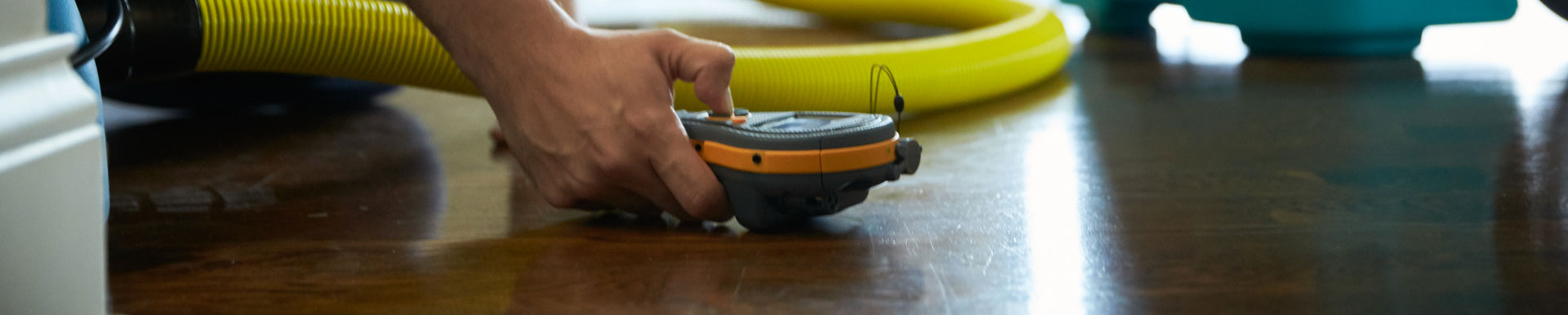
Once the bulk water is gone, we focus on moisture that is still inside building materials. We use moisture meters and other tools to check how far water has traveled into concrete, drywall, wood framing, and subflooring. Based on this information, we set up air movers and dehumidifiers to dry the space. Our technicians adjust the equipment as the drying progresses and monitor readings so the basement moves toward appropriate moisture levels.
Cleaning, Sanitizing & Odor Control
Cleaning and sanitizing are also key parts of the process. If the water came from a clean source such as a supply line, cleaning may be focused on surfaces and contents. If the water came from outside or from a drain or sewage line, we treat it as potentially contaminated and use appropriate cleaning agents and procedures. We also address odors that can develop after a flood.
Throughout this process, we explain what we are doing, how long each phase is likely to take, and what we are watching for. Our goal is to work toward restoring your basement toward its pre loss condition while helping you understand each step. We can also provide documentation of the damage and the work performed, which many homeowners find useful when communicating with their insurance company.
Is Your Flooded Basement Safe To Enter
Safety should always come first when you discover water in your basement. It can be tempting to rush downstairs to move boxes or try to stop the water, but certain hazards are not always obvious at first glance. If you are ever unsure about safety, it is better to stay out and wait for trained professionals.
One major concern is electricity. When water reaches electrical outlets, extension cords, or appliances, there is a risk of shock. Another concern is the source of the water. Water from outside, drains, or sewage lines can carry contaminants that are not safe to touch without protection. Even clean water can create slippery surfaces that make falls more likely.
If you can safely see the basement from the top of the stairs, you may be able to take photos or video without stepping into the water. This can be helpful for your records. If you are confident that the main water shutoff is accessible and dry, you can consider turning it off, but only if you can do so without crossing wet areas or touching wet electrical components. If there is any doubt, wait until our technicians arrive.
When we reach your home, we check conditions before beginning work and talk with you about what we find. We wear appropriate protective gear and use equipment designed for wet environments. By allowing our team to handle the flooded area, you reduce the chance of injury and help ensure that safety concerns are addressed in an organized way.
Protecting Your Home From Mold After Basement Flooding
Mold is one of the biggest worries homeowners have after a basement flood, and for good reason. When building materials stay damp, microscopic mold spores in the air can find what they need to grow. This can affect air quality and damage surfaces over time.
How We Reduce Mold Risk
The most effective way to reduce mold risk is to dry the basement as quickly and thoroughly as possible. During our cleanup process, we use dehumidifiers and air movers to remove moisture from both the air and the structure. We also pay attention to hidden areas such as wall cavities, subflooring, and the underside of stairs, which can be slow to dry if left alone.
In some cases, especially if water has been present for several days or came from a contaminated source, mold may already be forming. ServiceMaster of West Plains offers mold remediation services, so if growth is discovered, we can address it as part of a coordinated plan. This may include removing certain materials, cleaning surfaces, and using methods designed to deal with mold safely.
What To Watch For After Cleanup
After the initial flood response, it is helpful to watch for ongoing signs of moisture. These can include a persistent musty smell, condensation on basement windows, or visible spots on walls or furniture. If you notice any of these, our team can recheck moisture levels and discuss next steps with you. Our goal is to leave your basement dry and prepared for long term use, not just clear of visible water for a day or two.
Why Homeowners Choose ServiceMaster of West Plains For Basement Water Damage
Choosing a company to work in your home is a significant decision, especially during an emergency. Many homeowners in the area turn to ServiceMaster of West Plains because of our combination of experience, technical training, and focus on customer care. We work to handle both the visible damage and the stress that comes with it.
Our business is backed by more than 65 years in disaster restoration, which means our methods and training have been refined over decades. We use advanced technology and proven approaches to water removal, drying, and cleaning. Our technicians receive comprehensive training and hold industry certifications for the services they perform.
Availability is another reason people call us when a basement floods. Water damage does not wait for business hours, so our emergency line is staffed 24 hours a day, including weekends and holidays. When a storm rolls through the area and a sump pump fails in the middle of the night, you can still reach us and know that a team will be put in motion.
Just as important, we place a high priority on communication and compassion. From the first call to the final walk through, we explain what we are doing and why. Our technicians answer questions, discuss concerns about particular items or areas, and check in as the work progresses. After the initial work is finished, our quality assurance processes and follow ups help confirm that you understand what was done and know what to expect next.
Flooded Basements In The Mountain Home Area
Homes in and around Mountain Home experience a mix of weather, from heavy spring rains to sudden summer storms. These conditions, combined with the hilly terrain of the Ozark region, can put extra pressure on foundations and drainage systems. When ground around a home becomes saturated, water can find its way into cracks or weak points and end up in the basement.
Many local homes rely on basements for storage, mechanical systems, laundry rooms, or additional living space. When water enters, it quickly reaches items that are not meant to get wet, such as cardboard boxes, furniture, or carpeting. If the basement houses a furnace or water heater, those systems can also be affected. Our team is familiar with these layouts and works to protect what can be saved while clearly explaining what may need further attention.
Storms in this area can also affect power, which creates additional challenges. A sump pump without electricity cannot move water out, and a backup pump may not be in place. When we respond to a flooded basement Mountain Home homeowners often tell us the problem started when a storm knocked out power or dropped more rain than local drains could handle. Understanding these patterns helps us plan for the types of flooding we see most often here.
Because we serve this community, we understand local expectations and schedules. We know that drying equipment may need to run through several days of changing weather, and that homeowners may need flexible check in times. Our goal is to fit the restoration process into your life as smoothly as possible while still doing the thorough work that a basement flood requires.
Frequently Asked Questions
How Fast Can Your Team Get To My Flooded Basement
We respond to calls for flooded basements at all hours, and we work to arrive as quickly as conditions and distance allow. When you call (417) 275-6993, we gather your address, details about the water source, and any safety concerns so we can dispatch a team efficiently. Travel time can vary based on your exact location and on weather or road conditions, especially during active storms. During the call, we provide an estimated arrival window and keep you updated if anything changes. Our priority is to start water removal and safety checks as soon as we reasonably can.
Is It Safe For Me To Go Into A Basement Full Of Water
In many cases, it is not safe to walk into a flooded basement, especially if you are unsure about the source of the water or the status of your electrical system. Water that reaches outlets, power strips, or appliances can create a risk of shock. Water from outside, drains, or sewage lines can contain contaminants that are not safe to touch without protective gear. If you can, it is better to stay at the top of the stairs, take photos from a dry area, and wait for our technicians to arrive. When we reach your home, we will check for hazards and explain which parts of the basement are safe to enter and when.
Will My Homeowners Insurance Cover Basement Flooding
Coverage for basement flooding depends on the cause of the water and on the specific terms of your homeowners policy. For example, a broken supply line inside the home may be handled differently than water that entered through foundation cracks after a storm. Some situations may require separate flood coverage. We encourage you to contact your insurance company promptly to report the loss and ask about your coverage. Our team can provide detailed information about the damage we observe and the work we perform, which many policyholders share with their adjuster. While we cannot make coverage decisions, we strive to support you with clear documentation.
How Long Does It Take To Dry Out A Flooded Basement
The time needed to dry a flooded basement varies based on how much water was present, how long it sat before removal, and what materials were affected. A shallow clean water spill on concrete that is addressed quickly can dry relatively fast, while a deeper flood that soaked drywall, insulation, and flooring typically takes longer. When we set up drying equipment, we use moisture readings to guide our plan and adjust it as the basement dries. Many jobs require equipment to run for several days, and we check back during that period to monitor progress. Our team explains expected time frames at the start and updates you as we see how your specific basement responds.
Can You Help If There Is Sewage Or Contaminated Water In My Basement
Yes, we handle situations where the water in your basement may be contaminated, such as sewage backups or flooding that entered through drains. These events require additional safety measures, cleaning procedures, and often more extensive removal of affected materials. Our technicians use appropriate protective equipment, cleaning agents, and methods for dealing with this type of water. We explain which items may be safely cleaned and which are likely not salvageable for health reasons. Our goal is to leave your basement not only dry, but also properly cleaned and ready for safe use again.
What Should I Do Before Your Team Arrives
If you are waiting for our team and it is safe to stay in the home, there are a few simple steps you can consider. From a dry, safe location, you can take photos or video of visible water and items that appear damaged. If the water source is clearly identified and you can reach the main water shutoff without crossing wet areas or touching wet electrical devices, you may choose to turn it off. You can also move small items from nearby dry areas to a higher spot as a precaution. However, do not enter standing water, do not attempt to unplug appliances in wet areas, and do not lift heavy or waterlogged items that could cause injury. Your safety is more important than any object.
How Do You Make Sure Everything Is Really Dry & Safe
We rely on more than just how the basement feels to decide when it is dry. Our technicians use moisture meters and other tools to check inside materials such as drywall, wood, and concrete. These readings tell us whether moisture levels are still elevated or have returned closer to expected ranges. We use this information to decide where to place equipment, how long to run it, and when it can be removed. In addition, we look for visual signs such as staining, warping, or continued condensation. Before we consider the drying phase complete, we review the space with you and discuss any areas that may need further attention or monitoring.
Call Now For Flooded Basement Cleanup
When water reaches your basement, every hour matters. The sooner you start safe water removal and drying, the better your chances of protecting your home and belongings. ServiceMaster of West Plains is ready to respond at any time with trained technicians, professional equipment, and a clear plan to deal with basement water damage.
By calling now, you get more than pumps and fans. You get a team that explains each step, watches for safety and mold risks, and follows up to help you feel confident about the work that was done. Whether your flooded basement Mountain Home problem started with a storm, a plumbing issue, or an equipment failure, we are here to help you move from crisis toward recovery.
For 24/7 flooded basement cleanup and support, call (417) 275-6993 now.