Flooded Basement in Pico Rivera
Immediate Help When Your Basement Floods
A flooded basement can turn your day upside down in a matter of minutes. Water seeps into walls, flooring, and belongings, and it often feels like the damage is growing faster than you can react. If you are dealing with a flooded basement in Pico Rivera right now, our team is ready to respond.
At ServiceMaster Recovery by AHR, we understand how disruptive and stressful sudden water in your basement can be. You may be worried about mold, the safety of your family or employees, and how much of your property can be saved. Our goal is to bring order back to the situation with a calm, clear plan and fast on site service.
We are part of the ServiceMaster Restore network, which brings more than 65 years of disaster restoration experience to every job. Our restoration professionals are available 24 hours a day, 7 days a week, and we arrive with the tools and training to start addressing the water, moisture, and contamination issues in your basement as soon as possible. To request emergency service, call (818) 791-4147 any time.
Flooded Basement in Pico Rivera. Contact us at (818) 791-4147 with ServiceMaster Recovery by AHR!
Why Homeowners Choose Our Team For Basement Flooding In Pico Rivera
When water rushes into a basement, you need more than a wet vacuum. You need a team that knows how to assess the damage, protect your property, and guide you through the entire cleanup and restoration process. That is where ServiceMaster Recovery by AHR comes in.
We draw on the ServiceMaster Restore history of more than six decades in disaster restoration. This background informs how we train our technicians, select our equipment, and structure our processes. Our restoration professionals receive ongoing training and certifications in water damage restoration, mold remediation, and related services, so you can feel confident that the people in your home or business are qualified to handle complex moisture problems.
We use professional grade extraction, drying, and dehumidification equipment to handle everything from minor basement water damage to large scale flooding. Our team can address clean water incidents from broken pipes, as well as more serious situations that may involve sewage, contaminants, or long standing moisture. Throughout the process, we work to communicate clearly about what we are doing, why we are doing it, and what you can expect next.
What sets us apart is not only our technical skill, but also our focus on compassion and support. We recognize that a flooded basement is more than a building problem. It affects stored memories, business inventory, and daily routines. We take that seriously, and we approach every project with respect for your time, property, and peace of mind.
What To Do Right Now If Your Basement Is Flooded
In an emergency, knowing your next steps can help you feel more in control and can reduce the damage to your property. Every situation is different, and safety should always come first, but there are some general actions that are often helpful when your basement fills with water.
Focus on safety before anything else:
- Stay out of the flooded area if you suspect electrical hazards, such as outlets or appliances in contact with water.
- If you can safely reach your electrical panel without stepping into water, you can consider turning off power to the affected area. If not, wait for a qualified professional.
- Avoid contact with the water if it might contain sewage or other contaminants.
Limit additional water and protect what you can:
- If the flooding is from a plumbing issue and it is safe, you may close the main water supply valve to slow further damage.
- Move dry, valuable items away from the affected area if you can reach them safely, such as boxes on low shelves or small furniture pieces.
- Do not turn on household fans or heaters in an attempt to dry contaminated water, since this can spread particles through the air.
Document and call for help:
- Take photos or videos of the flooded basement, including water lines on walls and affected belongings, which can be useful when you speak with your insurance company.
- Contact our team as soon as you can so we can begin water extraction and moisture control. The sooner we arrive, the better chance we have to reduce long term damage.
Our team responds around the clock to flooded basements and other water emergencies. When you call us, we walk through your situation, help you identify any immediate safety issues, and dispatch restoration professionals to begin the on site work.
Our Flooded Basement Cleanup & Restoration Process
Understanding what happens after you contact us can remove a great deal of uncertainty. While every property is unique, our flooded basement cleanup and restoration process usually follows several key stages. Each step is designed to remove water, control moisture, clean and sanitize affected areas, and prepare your space for future use.
Assessment & Inspection
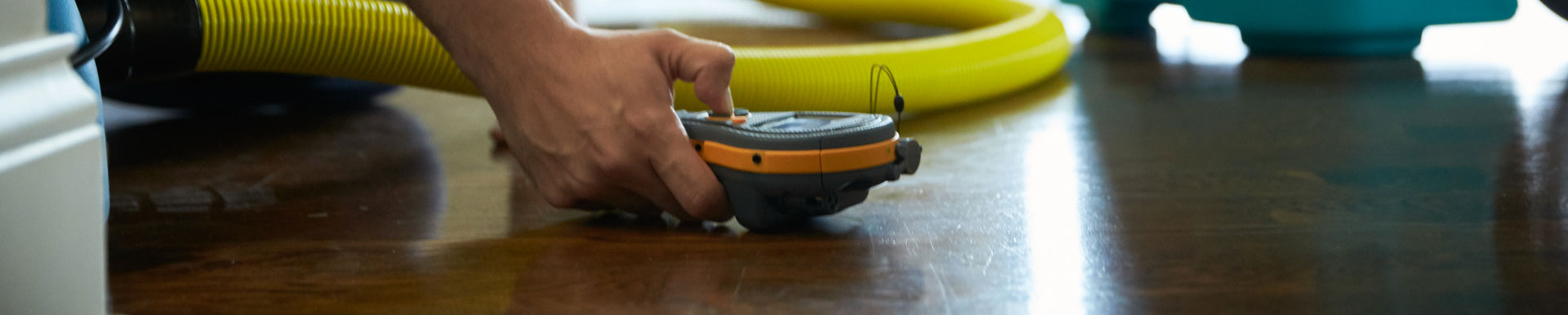
When our team arrives, we start with a careful assessment of the flooded area. We look at how far the water has traveled, which materials are affected, and whether the water is clean, gray, or black (sewage contaminated). We use moisture meters and other tools to check walls, floors, and other surfaces that may not show visible water but still hold moisture.
Water Extraction
Next, we work to remove the standing water from your basement. We use professional pumps and extraction equipment that can handle larger volumes of water than typical household tools. Removing water efficiently can reduce the amount of time materials stay saturated, which in turn can help lower the risk of structural damage and mold.
Drying, Dehumidification & Monitoring
Once the bulk of the water is out, we set up drying and dehumidification equipment in strategic locations. Our goal is to draw moisture out of surfaces and the air. We monitor moisture readings over time and adjust equipment as needed. This step can take several days or more, depending on the size of the space, the amount of water, and the building materials involved.
Cleaning, Sanitizing & Odor Control
Floodwater often leaves behind dirt, residues, and sometimes contaminants. We clean and sanitize affected surfaces using professional cleaning agents that are appropriate for the category of water. In situations involving sewage or other hazardous materials, we follow strict procedures to help protect health and safety, and we discard certain porous items that cannot be cleaned effectively.
As materials dry and are cleaned, we address any lingering odors related to moisture, sewage, or microbial growth. Our technicians continue to check moisture levels and inspect the area for any signs of hidden dampness. If we find areas that are slower to dry, we adjust equipment placement or discuss next steps with you.
Discussing Repairs & Next Steps
After drying and cleaning are complete, we review the condition of your basement with you. Some situations may require additional repairs or reconstruction, such as replacing drywall, flooring, or built in storage. We explain what we have observed and talk through options so you have a clear picture of what it may take to restore the space to a usable condition.
Throughout each phase, our technicians strive to communicate clearly and answer your questions. Our process is informed by industry standards, decades of restoration experience, and our commitment to treating your home or business with care.
Common Causes & Risks Of Basement Flooding Here
Basement flooding in this part of Los Angeles County can happen for many reasons, and understanding the likely cause can help with prevention and response. In and around Pico Rivera, heavy seasonal rains can overwhelm exterior drainage or reveal weaknesses in foundation walls, which may allow water to seep into lower levels. In other properties, older plumbing, failed water heaters, or clogged floor drains can send water across the basement floor without warning.
Some basements and lower level areas are also vulnerable to problems with municipal or private sewer systems. When sewer lines back up, contaminated water can enter through floor drains, toilets, or other plumbing fixtures. This type of flooding is especially concerning because it often brings bacteria and other harmful substances into the home or business.
Whatever the source, standing water and trapped moisture can create serious risks if they are not addressed promptly and correctly. Building materials such as drywall, insulation, and wood framing can absorb water and may weaken or warp over time. Electrical systems, stored appliances, and personal belongings in cardboard boxes or unprotected containers are also at risk.
Mold can begin to grow within a relatively short period if moisture remains in walls, floors, or contents. Once mold becomes established, it often spreads to hidden areas and can lead to additional cleanup needs and health concerns, especially for people with allergies or respiratory conditions. That is why professional drying and moisture control are so important after any significant basement flooding.
Our team understands how these issues tend to show up in local homes and small businesses, and we work to identify both the visible damage and the less obvious moisture concerns that could cause problems later.
How We Support You Through The Restoration
Dealing with a flooded basement is about more than pumps, hoses, and fans. It is also about having a partner who will walk you through unfamiliar decisions and keep you informed as the work progresses. We place a strong emphasis on communication so you know what is happening in your property and why.
From the first conversation, we explain our initial plan for inspection, water removal, and drying. Once we are on site, our technicians let you know what they are finding, which areas are most affected, and how long each phase is likely to take based on what they see. As moisture readings change and conditions improve, we share updates and discuss any adjustments to equipment or timelines.
We also understand how difficult it can be to see personal belongings or business inventory affected by water. Our team helps you sort through what can often be cleaned and what may need to be discarded for safety or practical reasons. We do not make these decisions for you, but we provide guidance based on our experience with similar materials and situations.
Our goal is to reduce uncertainty at every step. We answer questions, respond to concerns, and treat your property with care and respect. After the primary cleanup and drying are complete, we follow up to confirm that conditions remain stable and dry. This commitment to ongoing support reflects our focus on long term customer satisfaction, not just short term completion of a job.
Frequently Asked Questions
What Should I Do First When My Basement Floods?
The first thing to do when your basement floods is to think about safety before you step into the water. If you see water near electrical outlets, appliances, or your electrical panel, it is safer to stay out of the area and wait for help. If you can reach your breaker panel without walking through water, you may choose to shut off power to the affected area, but you should only do this if you feel completely safe doing so.
Once you have considered electrical and contamination hazards, try to stop the source of water if possible, such as closing a main water valve for a plumbing leak. You can also move dry valuables away from the basement if you can do so without entering the flooded zone. Taking photos or videos of the damage can help you later when you speak with your insurance company. Then, contact our team so we can guide you and dispatch restoration professionals to begin the cleanup process.
How Fast Can Your Team Get To My Home?
We provide emergency response services at all hours, and our goal is to mobilize quickly once we receive your call. Actual arrival times depend on factors such as your specific location, traffic conditions in the area, and how many emergencies are in progress at that moment. When you call us, we discuss your situation, confirm your address, and give you an estimated time frame for our arrival based on those conditions.
Because we are focused on serving this community, we are familiar with local routes and common traffic patterns. This helps us plan the fastest practical way to reach your property. No matter when you call, day or night, someone from our team is available to start the process and get the right resources moving toward your flooded basement.
Can You Remove All The Water & Dry My Basement Completely?
Our team works to remove as much water as possible and to dry your basement to appropriate moisture levels using professional equipment and proven methods. We use pumps, extraction tools, air movers, and dehumidifiers to address standing water and moisture in materials. Our technicians monitor moisture readings and adjust equipment placement to support thorough drying.
The exact results depend on several factors, including how quickly we can start after the flooding begins, the type of water involved, and the construction of your basement. Some materials, such as certain kinds of flooring or insulation, may need to be removed if they are heavily saturated or contaminated. We explain what we are seeing and discuss realistic expectations for your specific property.
Will A Flooded Basement Lead To Mold In My Home?
A flooded basement often creates conditions where mold can develop if moisture is not controlled quickly and effectively. Mold tends to grow on damp materials such as drywall, wood, and fabrics, especially in areas with limited airflow. If water stands in your basement or remains trapped in walls and flooring for an extended period, the likelihood of mold growth increases.
By removing standing water, using professional drying equipment, and monitoring moisture levels, we work to reduce the conditions that encourage mold. If we see signs of visible mold or suspect hidden growth, we can discuss appropriate remediation steps and provide related services. Our goal is to help you address both the immediate water damage and the potential long term indoor air quality concerns.
Can I Stay In My Home While The Basement Is Being Dried?
In some situations, you can stay in your home while the basement is being dried, but it depends on the type of water involved, the extent of damage, and where the drying equipment must be placed. Clean water leaks in a basement that is isolated from main living areas may be less disruptive than sewage backups or widespread flooding that affects essential systems.
When our team assesses your property, we consider safety, noise levels from equipment, and how the work will affect your daily routines. We then share our recommendations and explain any concerns. Ultimately, the decision about staying in the home is made by you, guided by the information we provide about comfort and safety.
How Long Does Flooded Basement Cleanup Usually Take?
The time required to clean up and dry a flooded basement varies, but it often involves at least several days of active drying after the initial water extraction. The overall timeline depends on how much water was present, how long it has been in the space, the temperature and humidity, and the types of materials that are wet. Concrete floors, finished walls, and built in cabinets can all influence how long the process takes.
In many cases, the extraction phase is completed relatively quickly, and the remaining time is spent on drying, cleaning, and monitoring. If structural repairs or reconstruction are needed after drying, that work can extend the total time until the basement is fully restored. Our team keeps you informed throughout the process so you can plan around the work as effectively as possible.
Do You Help With Sewage Backups In The Basement Too?
Yes, we respond to sewage backups and other contaminated water incidents in basements and lower levels. Sewage and certain types of storm water can bring harmful bacteria and other contaminants into your property, so these situations require careful handling and thorough cleaning. Our technicians use specific procedures and cleaning agents that are appropriate for this kind of damage.
In many sewage backup situations, some porous materials must be removed and discarded because they cannot be safely cleaned. We explain these decisions and work with you to understand which items are salvageable and which are not. Throughout the process, our focus is on making the area safe again and preparing it for any needed repairs or rebuilding.
Call Now For Flooded Basement Cleanup You Can Rely On
When your basement fills with water, you do not have to sort through the damage alone. Our team at ServiceMaster Recovery by AHR is ready to respond at any hour, bring professional equipment to your property, and guide you through each step of the cleanup and drying process. By acting quickly, you can often limit structural damage, reduce the risk of mold, and move toward normal routines more quickly.
With the backing of ServiceMaster Restore’s 65 plus years of disaster restoration experience, our restoration professionals work to provide thorough, careful service and clear communication from start to finish. Whether the flooding is from a storm, a broken pipe, or a sewage backup, we are here to help you take the next step toward restoring your home or business.