Water Damage Restoration in Frederick, MD
Disaster Doesn't Wait for Hours of Operation
In Frederick, MD, the weather can turn quickly—summer storms and hurricane remnants can push the Monocacy River over its banks, while sudden winter freezes can lead to burst pipes. Water damage here moves fast, finding its way into basements, crawl spaces, and even historic brickwork that gives our community its charm.
That’s why having a local team ready 24/7 matters. Quick action can mean the difference between a simple cleanup and a costly restoration. With advanced drying equipment, proven techniques, and a deep understanding of how Frederick’s climate affects homes and businesses, we work to protect your property and prevent mold before it starts. When water threatens your space, you can count on neighbors who care and know exactly what it takes to restore it.
Our Water Damage Restoration Process
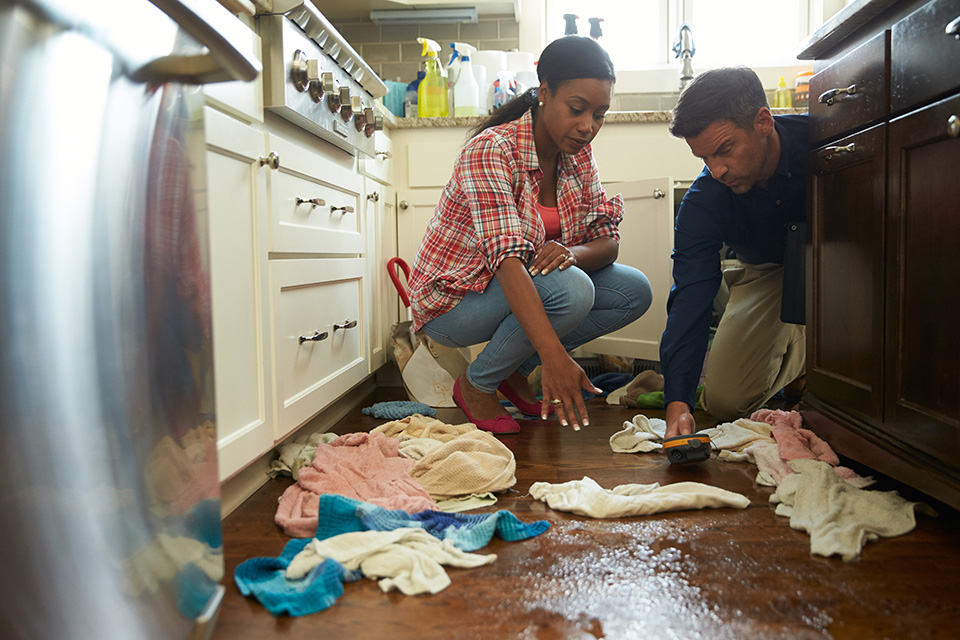
- Inspection and Assessment - Thorough inspection of the structure to determine what type of materials are affected and to determine the best strategy to dry the entire structure.
- Water Removal - The first step in the process is to stop the source of moisture. Once the source is stopped, our crews will proceed with removing the water from the affected areas.
- Anti-Microbial Application - In order to prevent bacterial growth and speed up the process of drying, an application of an antimicrobial is used on affected areas.
- Drying & Dehumidifying - Dehumidification is the most critical piece of the drying process. The use of air movement dries the materials, and the dehumidification pulls the moisture out of the air to lower the humidity in the affected areas of the structure to prevent secondary damage.
- Air Movement - Air movement is a necessity in the drying process. The proper airflow across wet areas helps expedite the drying process.
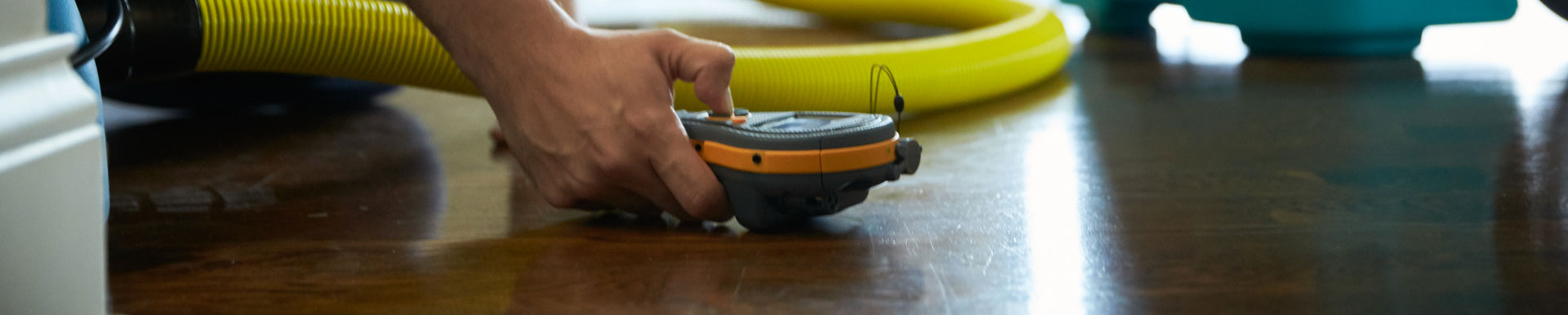
- Monitoring - To properly dry your home, it is essential that we evaluate it daily to monitor the progress and all materials affected.
Best Practices When You've Found Water Damage in Your Home
In the event your home suffers a water loss, there are steps to take to help minimize the damage and ensure your safety before the professionals at ServiceMaster Restore® arrive.
Do’s
- Contact a doctor if you have any health concerns
- Be cautious of slip hazards
- Eliminate the source of water if possible
- Remove books, shoes, paper goods, fabrics, potted plants and other items that may stain the carpet or be damaged by water
Don’ts
- Use personal hygiene items left in the affected area, especially if the water was from an unsanitary source
- Consume any food in the loss area, especially if water was from an unsanitary source
- Use home fans to dry wet surfaces
- Use vacuum equipment to remove water
Categories of Water Damage
Categories of water damage to your property are required to perform loss assessment and the appropriate degree of restoration. As defined by the IICRC Standard and Reference Guide for Professional Water Damage Restoration (IICRC S500), there are three categories of water that cause damage to your property.
Category 1: Clean Water - That which is clean at the releasing source and does not pose a hazard if consumed by humans. Category 1 water may become progressively contaminated as it mixes with soils on or within floor coverings or building assemblies (walls, decking, subflooring). Time and temperature, which promote the growth and amplification of microorganisms in water, can cause Category 1 water to degrade.
Examples: burst water pipes, failed supply lines on appliances, vertically falling rainwater.
Category 2: Gray Water - That which begins with some degree of contamination and could cause sickness or discomfort if consumed by humans. As with Category 1 water, time and temperature can cause Category 2 water to become progressively more contaminated and change to Category 3.
Examples: discharge or overflow from dishwashers or washing machines, overflows from toilet bowls with some urine (no feces), sump pump failures, broken aquariums, and punctured waterbeds.
Category 3: Black Water - That which is highly contaminated and could cause death or serious illness if consumed by humans.
Examples: sewage, rising flood water from rivers and streams, and ground surface water flowing horizontally into homes.