Water Damage Restoration in Fort Madison, IA
24/7 water damage cleanup, extraction, and structural drying
Water damage spreads fast, and in Fort Madison homes, it can move from a small leak to warped floors, damaged drywall, and mold growth in a matter of hours. ServiceMaster Cleaning & Restoration - Fort Madison (Restore) provides professional water damage restoration for houses, apartments, and businesses across Fort Madison, IA, and surrounding Lee County. We respond quickly, extract standing water, dry the structure with commercial-grade equipment, and document moisture levels so you know the job is done right. If your loss is tied to storms, river-area humidity, frozen pipes, or an appliance failure, our team is ready to help you stabilize the property and protect what can be saved.
Has your business suffered from water damage? Turn to our technicians for help. Call us at(319) 670-2828 orcontact us online now.
What Is the First Thing to Do After Water Damage in a Home?
The first priority after water damage is safety, followed immediately by stopping the source of water and preventing additional spread. If it’s safe to do so, shut off the water supply (or the specific fixture valve), and avoid walking through standing water that may be contaminated or hiding hazards. Next, begin protecting valuables by moving items to a dry area and placing aluminum foil or wood blocks under furniture legs to reduce staining and wicking. Then contact a professional water damage cleanup team so extraction and drying can start before materials swell, delaminate, or develop mold.
Water damage can also create serious electrical hazards, especially when water reaches outlets, extension cords, appliances, basements, or a breaker panel. If you suspect water has contacted electrical systems, do not touch switches or devices while standing on wet flooring, and do not use fans that require plugging into potentially wet circuits. The safest precaution is to shut off power at the main breaker only if you can do so without entering wet areas; otherwise, wait for a qualified electrician or restoration professional. When you call ServiceMaster Cleaning & Restoration - Fort Madison (Restore), we can help you prioritize safe next steps and coordinate the right response for your specific situation.
- Stop the water source (shut off the supply line, appliance valve, or main water shutoff if needed).
- Keep people and pets out of affected areas, especially basements and rooms with sagging ceilings.
- If safe, turn off electricity to wet areas and avoid using outlets near water.
- Take quick photos for insurance documentation before moving items or removing materials.
- Move valuables and important documents to a dry, ventilated space.
- Call for professional water extraction and structural drying to prevent long-term damage.
How to Tell the Difference Between Water Damage and Mold Growth (and Signs of Hidden Damage)
Water damage usually appears as staining, warping, bubbling paint, soft drywall, or swelling trim, while mold growth tends to look like speckled spots or fuzzy patches that may be black, green, white, or brown. Mold is a living organism and often comes with a persistent musty odor, especially in closets, basements, and behind cabinets where airflow is limited. A key difference is that water damage is often a “cause” event, while mold can be a “result” when moisture persists for too long, sometimes beginning as early as 24–48 hours. If you suspect mold, we can evaluate the area and, when needed, connect you with our mold remediation services to address both the contamination and the moisture problem that feeds it.
Hidden water damage is common in Fort Madison properties because water follows gravity and the path of least resistance, soaking insulation, subfloors, and wall cavities long before it becomes visible. You might see subtle clues like baseboards separating from the wall, floors that feel spongy, or a room that suddenly smells damp even when surfaces look dry. Water can also travel from a bathroom, laundry room, or kitchen and show up several feet away, making professional moisture mapping important. If anything seems “off,” a prompt inspection can prevent a small, contained issue from becoming a major rebuild.
- Persistent musty odor, especially near exterior walls, bathrooms, or the basement.
- Peeling paint, bubbling drywall, or discoloration around windows and ceiling corners.
- Warped hardwood, buckling laminate, loose tiles, or carpet that feels damp days later.
- Unexplained increase in humidity, condensation, or cold/damp spots on walls.
- Staining around plumbing penetrations, behind toilets, or under sinks and dishwashers.
- Cracks in drywall seams or baseboards pulling away after a leak or overflow.
How Long Does It Take to Dry Out Water Damage in a House?
Dry-out time depends on how much water entered the home, what materials were affected, and how quickly extraction and drying begin. In many residential losses, professional structural drying takes about 3–5 days once extraction is complete, but thicker materials like hardwood, plaster, masonry, and subfloors can take longer. Drying also varies by the “class” of water loss (how far moisture spread) and the type of water involved, because contaminated water may require removal of more materials rather than extended drying. At ServiceMaster Cleaning & Restoration - Fort Madison (Restore), we verify progress with moisture meters and documented readings instead of guessing based on how surfaces feel.
Preventing mold after a flood or leak is all about speed, airflow, and controlled humidity. Mold spores are always present in the environment, and the goal is to remove the moisture they need to grow by extracting water, removing wet porous materials when necessary, and maintaining dehumidification around the clock. DIY fans can help in minor incidents, but they often cannot reduce deep moisture in wall cavities, under flooring, or in insulation, which is where mold commonly starts. If you want to avoid costly secondary damage, the best next step is to schedule professional drying before the 24–48 hour window closes.
- Start water extraction immediately and remove wet rugs, pads, and porous items when appropriate.
- Run dehumidification continuously and keep indoor humidity low, not just “comfortable.”
- Increase air circulation with correctly placed air movers to prevent dead zones.
- Open wall cavities when needed to dry insulation and framing safely and thoroughly.
- Clean and sanitize affected areas to reduce contamination and odor sources.
What Equipment Is Used for Professional Water Extraction and Drying?
Professional water damage restoration relies on more than just shop vacs and household fans, because the goal is to remove water quickly and dry materials evenly without causing additional damage. We use high-capacity extraction tools to pull water from carpet, pad, and hard surfaces, then apply controlled evaporation and dehumidification to dry the structure. This approach shortens drying time, reduces the chance of mold, and helps preserve materials that might otherwise need replacement. For Fort Madison homeowners, that can mean less disruption, fewer repairs, and a safer indoor environment.
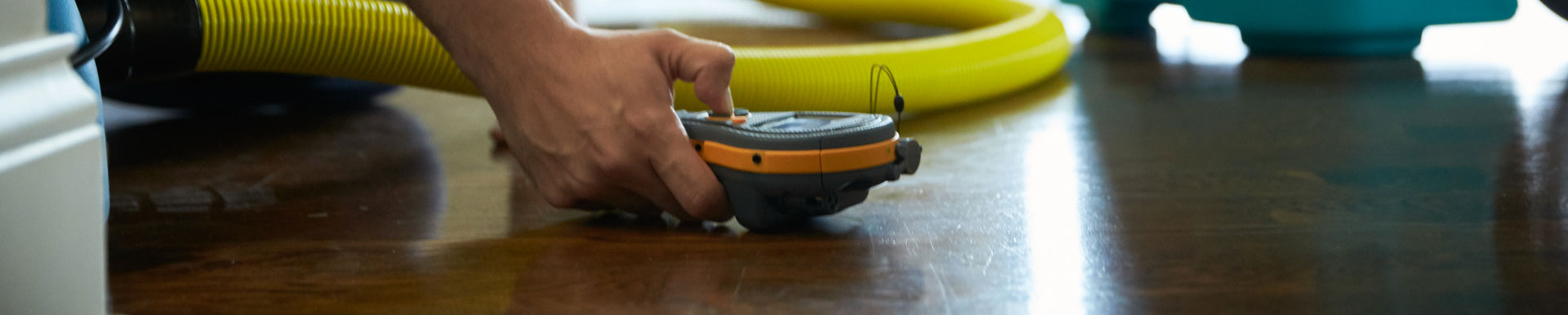
Equally important is measurement and monitoring, because “looks dry” is not the same as “is dry,” especially behind walls or under floors. Our technicians use moisture detection tools to identify the wettest areas, track drying progress, and determine when the property meets an appropriate drying goal. In situations involving odor, debris, or airborne particles, we may also use filtration equipment to support cleaner air during the restoration. If you’re dealing with a significant leak, burst pipe, or overflow, calling early allows us to deploy the right equipment before damage spreads.
- Submersible pumps and high-volume extractors for standing water removal.
- Wet vacuums and specialized wands for carpet and upholstery water extraction.
- Commercial air movers to drive evaporation across wet surfaces.
- LGR dehumidifiers to pull moisture from the air and speed structural drying.
- Moisture meters and thermal imaging for moisture mapping and verification.
- HEPA air filtration when needed to help manage dust, debris, and airborne particles.
Our Step-by-Step Water Damage Restoration Process
Every water loss is different, but a proven process keeps the response organized, efficient, and focused on protecting your property. We begin with an on-site assessment to identify the source, categorize the water (clean, gray, or contaminated), and determine how far moisture has migrated into building materials. From there, we create a clear plan for extraction, drying, cleaning, and any necessary demolition, while keeping you informed about timelines and what to expect next. Whether your damage is from a sump pump failure, dishwasher leak, or storm-related intrusion, our team is equipped to stabilize the situation quickly.
- Emergency contact and dispatch to start mitigation as soon as possible.
- Inspection and moisture mapping using meters and imaging to find affected areas.
- Water extraction to remove standing water and reduce saturation immediately.
- Controlled demolition (if needed) to remove unsalvageable drywall, insulation, or flooring.
- Structural drying and dehumidification with daily monitoring and adjustments.
- Cleaning, sanitizing, and deodorizing to address residues, odors, and contamination risks.
- Restoration and repairs to return the property to pre-loss condition.
If your loss also involves storm conditions or basement seepage, we can coordinate broader recovery support through our storm damage restoration services. For businesses in Fort Madison that need rapid turnaround and documentation for operations and compliance, our commercial restoration services provide scalable help. After drying is verified, we can guide you through repair options so your home or facility is safe, functional, and comfortable again. The next step is a professional evaluation so we can outline the most efficient path to full recovery.
Does Homeowners Insurance Cover Water Damage Restoration and Cleanup, and What Does It Cost?
Many homeowners policies cover water damage when it is sudden and accidental, such as a burst pipe, an appliance supply line failure, or an unexpected overflow that causes interior damage. However, damage from groundwater flooding, river flooding, or repeated seepage is often excluded unless you have separate flood insurance or a specific endorsement, and sewer backups may require an additional rider. Because coverage varies by carrier and policy language, we recommend contacting your insurance provider quickly and keeping records of the incident and any emergency work performed. ServiceMaster Cleaning & Restoration - Fort Madison (Restore) can provide documentation, moisture readings, photos, and itemized details that help support the claim process.
The average cost of professional water damage restoration can range widely, often from about $1,200 to $6,000 for many residential projects, with severe or contaminated losses reaching $10,000+ depending on the size of the affected area and the amount of demolition and rebuilding required. Pricing is influenced by how long the water sat, the type of water (clean vs. contaminated), how many rooms are affected, and whether flooring, drywall, insulation, or cabinetry must be removed and replaced. The fastest way to control costs is to start water extraction and drying early, because delays increase material replacement and mold risk. For a clear, local estimate in Fort Madison, the next step is to schedule an on-site inspection so we can assess conditions and explain options before work begins.
- Extent of saturation (single room vs. multiple levels, basement to upper floors).
- Water category and contamination level (clean water vs. gray/black water).
- Materials affected (carpet, hardwood, subfloor, drywall, insulation, cabinetry).
- Need for demolition, content handling, antimicrobial treatments, and odor control.
- Drying time and equipment requirements based on moisture readings and conditions.
Need emergency water damage cleanup in Fort Madison, IA? Contact ServiceMaster Cleaning & Restoration - Fort Madison (Restore) now to request immediate water extraction and a professional drying plan, and let us help you protect your home, your health, and your peace of mind.
Has your business suffered from water damage? Turn to our technicians for help. Call us at(319) 670-2828 orcontact us online now.