Burst & Leaking Pipe Water Damage Cleanup in Fort Madison, IA
24/7 water mitigation and restoration from ServiceMaster Cleaning & Restoration - Fort Madison (Restore)
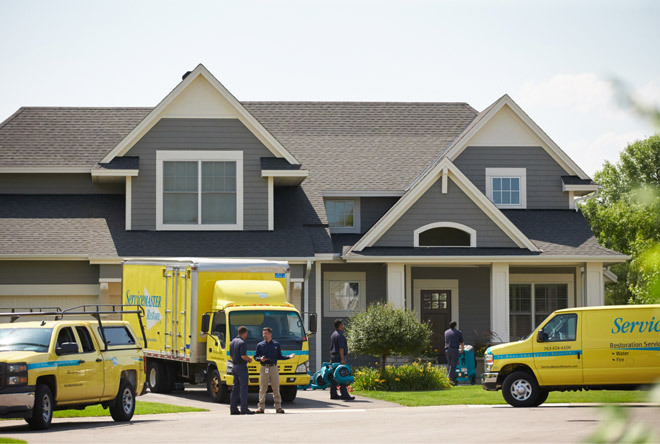
A burst or leaking pipe can lead to major water loss quickly, especially during Fort Madison winters when freezing temperatures and wind chills put plumbing under stress. ServiceMaster Cleaning & Restoration - Fort Madison (Restore) provides rapid response for burst and leaking pipes in Fort Madison, IA, and nearby Lee County communities, focusing on immediate water extraction, structural drying, and full repair-ready restoration. Whether the water is coming through a ceiling, soaking carpet, or spreading behind drywall, we work to stop the damage from growing and protect your property’s structure and contents.
Our team follows proven ServiceMaster Restore processes to document moisture, dry affected materials properly, and help you navigate next steps with your plumber and insurance company. If you need urgent help, request emergency water damage cleanup right away so we can start mitigation before swelling, warping, and microbial growth set in.
Don’t let a burst pipe cause more damage. Our expert team is ready to fix it fast.Contact us now at (319) 670-2828 for immediate service!
Why Pipes Burst in Winter in Fort Madison (and How to Prevent It)
Pipes usually burst in winter because water expands as it freezes, creating intense pressure that can split copper, PVC, PEX connections, or older galvanized lines. In Fort Madison homes, the highest-risk areas are pipes on exterior walls, in crawl spaces, basements, attics, and unheated garages, especially near rim joists and poorly sealed penetrations. Power outages, sudden cold snaps, and “set-back” thermostats that drop too low overnight can all push vulnerable plumbing past the breaking point. Even if the pipe doesn’t rupture immediately, frozen sections often create pressure that causes a break when the ice begins to thaw.
Preventing a burst pipe is usually cheaper than repairing the damage, and small changes make a big difference. Protect your plumbing before the next freeze with practical steps that reduce heat loss and keep water moving.
- Keep indoor heat consistent, even when traveling, and avoid letting the home drop below 55°F.
- Insulate exposed pipes in basements, crawl spaces, garages, and under sinks on exterior walls.
- Seal drafts where pipes enter the home, especially around sill plates and utility penetrations.
- Open cabinet doors under sinks during extreme cold to allow warm air to circulate.
- Disconnect garden hoses, shut off exterior lines if possible, and drain outdoor spigots.
- Let a faucet drip slightly during severe cold if you have a history of freezing.
If you’ve had freezing issues before or you’re unsure which plumbing is vulnerable, contact ServiceMaster Cleaning & Restoration - Fort Madison (Restore) for guidance on prevention and a plan for fast response if a pipe fails.
Signs of a Leaking Pipe in Walls or Ceilings and What to Do First
Hidden pipe leaks often start quietly and become expensive when moisture stays trapped behind drywall, above ceilings, or under flooring. In many Fort Madison properties, slow leaks develop around aging supply lines, worn seals, loose fittings, or corrosion near shutoff valves, and they can worsen after winter freeze-thaw cycles. The sooner you identify a leak, the easier it is to limit damage and avoid secondary issues like odor, staining, and material deterioration. If you suspect moisture in a wall or ceiling, treat it like an active water problem until proven otherwise.
Common signs of a leaking pipe in a wall or ceiling include the following, especially when they appear in combination or continue to spread over time.
- Brown or yellow water stains on drywall or ceiling tiles
- Bubbling, peeling paint, or soft spots in drywall
- Sagging ceilings or cracks that widen near a wet area
- Musty odors, especially in closets or rarely used rooms
- Warped baseboards, buckling floors, or damp carpet edges
- Sounds of running water when fixtures are off
- A sudden increase in your water bill with no usage change
What to do first is simple but time-sensitive: shut off the water to stop the source, protect the area beneath the leak, and avoid using electrical devices near wet drywall or ceiling fixtures. If the ceiling is bulging, actively dripping, or near lights, outlets, or your electrical panel, it can become a safety hazard quickly and should be treated as an emergency. When a leak has likely been present for more than a day or has soaked insulation, flooring systems, or multiple rooms, call ServiceMaster Cleaning & Restoration - Fort Madison (Restore) for immediate assessment and professional water damage restoration services.
What to Do Immediately After a Pipe Bursts (Before Cleanup Starts)
When a pipe bursts, the goal is to stop the flow, reduce spread, and keep people safe until restoration begins. Water from supply lines can flood rooms quickly and travel through wall cavities and subfloors, so acting within minutes matters. After shutting off the water, move valuables to a dry area, place towels or containers to catch drips, and avoid stepping into rooms with standing water if electricity could be involved. If you can safely do so, take quick photos for documentation and call for help right away so mitigation can start before materials swell and delaminate.
- Shut off the main water valve: Locate it near the water meter (often in the basement, crawl space, or where the main line enters the home). Turn a round gate valve clockwise until it stops, or rotate a lever-style ball valve 90 degrees so it is perpendicular to the pipe.
- Relieve pressure: Open a cold faucet on the lowest level to drain remaining water from the system and reduce ongoing leakage.
- Protect electrical safety: If water is near outlets, appliances, or ceiling fixtures, turn off power to the affected area at the breaker if you can do so without standing in water.
- Shut down the water heater: Turn off the heater to prevent damage if it runs without adequate water supply.
- Call the right help: Contact a licensed plumber to repair the pipe, and contact ServiceMaster Cleaning & Restoration - Fort Madison (Restore) to start extraction, drying, and documentation.
If you can’t find the shutoff quickly or the leak is affecting ceilings, multiple rooms, or electrical areas, call for 24/7 emergency water damage restoration immediately so we can help stabilize the loss and guide you through the safest next steps.
Drying Out Walls, Floors, and Carpet: Water Mitigation vs. Water Damage Restoration
After burst and leaking pipes, it helps to understand the difference between water mitigation and water damage restoration. Water mitigation is the emergency phase focused on stopping ongoing damage: water extraction, removing unsalvageable wet materials when necessary, setting up drying equipment, and controlling humidity. Water damage restoration is the process of returning the property to pre-loss condition, which may include drywall replacement, flooring repairs, repainting, and final cleaning after the structure is dry and stable. Both phases work together, and the best outcomes come from fast mitigation followed by careful restoration planning.
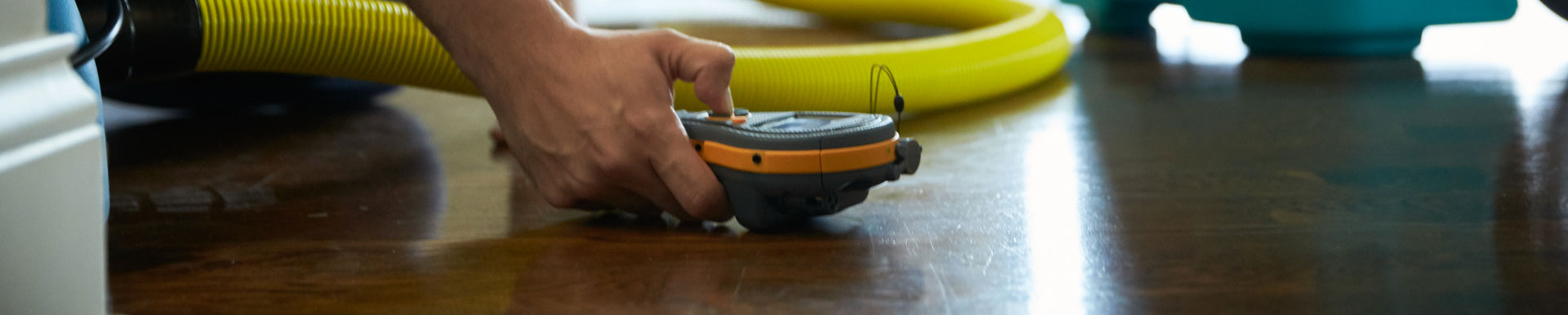
Drying out walls, floors, and carpet isn’t just “airing it out” with fans, because moisture can hide behind baseboards, under carpet pad, inside insulation, and between flooring layers. Our technicians use moisture meters and inspection tools to map wet areas, then build a drying plan using professional extraction equipment, air movers, and dehumidifiers sized to the loss. For saturated carpet, we may extract and apply antimicrobial treatments, and in some cases remove and replace pad to ensure the subfloor can dry completely. For wet drywall and wall cavities, controlled drying methods help reduce the risk of lingering moisture that can lead to odors and future damage.
- High-powered water extraction to remove standing water quickly
- Structural drying with commercial air movement and dehumidification
- Targeted drying for wall cavities and flooring systems when needed
- Ongoing moisture monitoring until dry standards are met
Restoration timelines vary, but many burst-pipe losses require roughly 3–7 days of drying depending on how far the water traveled and which materials were affected. Rebuild and finish work can add additional time, especially if cabinets, drywall, or flooring must be replaced, but a clear drying plan helps avoid costly rework. For an on-site evaluation in Fort Madison, contact ServiceMaster Cleaning & Restoration - Fort Madison (Restore) to start mitigation and get an accurate timeline.
Insurance, Mold Prevention, and Getting Back to Normal
Homeowners insurance often covers water damage from a sudden, accidental event like a burst pipe, including many restoration costs, but coverage depends on your policy and the cause of loss. In many cases, the resulting water damage is covered even if the pipe repair itself is not, and additional coverage may apply for emergency services, temporary repairs, and damage to finishes or contents. Claims can be denied or limited when damage is tied to long-term neglect, repeated seepage, or unresolved maintenance issues, which is why fast reporting and documentation matter. ServiceMaster Cleaning & Restoration - Fort Madison (Restore) can help by providing moisture documentation, photos, and a clear scope of work to support your claim process.
A burst pipe can absolutely cause mold if materials stay wet, because mold can begin developing in as little as 24–48 hours under the right conditions. The most effective mold prevention after leaks is rapid water removal, thorough structural drying, and controlling humidity so damp cavities and insulation don’t become breeding grounds. If we identify microbial growth or suspect hidden contamination, we can recommend next steps that may include containment and professional mold remediation to protect indoor air quality. The best way to prevent mold is to call early, before odors, staining, and widespread growth appear.
- Document the damage right away and keep any repair receipts from your plumber
- Do not trap moisture by painting over stains or sealing wet materials
- Remove or elevate wet belongings, and request content cleaning and pack-out support if items are affected
If you have a leaking pipe, a ceiling stain that’s growing, or a burst pipe that flooded a room, don’t wait for it to “dry on its own.” Contact ServiceMaster Cleaning & Restoration - Fort Madison (Restore) for burst and leaking pipe cleanup in Fort Madison, IA, and we’ll respond quickly with the equipment and expertise needed to mitigate damage, prevent mold, and guide you through restoration from start to finish.
Don’t let a burst pipe cause more damage. Our expert team is ready to fix it fast.Contact us now at (319) 670-2828 for immediate service!