Flooded Basement in North Platte
24/7 Help For Basement Water Emergencies
Finding water in your basement is stressful, and it often feels like the damage is getting worse by the minute. Whether it happened after a heavy rain, a sump pump failure, or a broken pipe, you need clear answers and fast action. ServiceMaster of Mid Nebraska provides around the clock response for any flooded basement situation in North Platte, so you are not left trying to manage it on your own.
We understand that your basement may hold important belongings, mechanical equipment, or finished living space. Our goal is to respond quickly, remove standing water, and begin drying so you can protect as much of your property as possible. Backed by more than 65 years of disaster restoration experience through ServiceMaster Restore, we bring proven methods and trained technicians to every flooded basement project.
From your first call, our team focuses on safety, clear communication, and a practical plan to get your home or business on the path to recovery. If you are dealing with a flooded basement in North Platte right now, you can reach us any time for help.
Dealing with a Flooded Basement in North Platte? Contact ServiceMaster of Mid Nebraska at (308) 280-8382!
Immediate Help When Your Basement Floods
When water enters your basement, time matters. Standing water can soak into walls, flooring, and contents, and even moisture you cannot see can lead to warped materials, weakened structures, and unpleasant odors. If conditions stay damp, mold can begin to form on surfaces, which adds health concerns to an already difficult situation.
We take calls 24 hours a day, every day of the year, because basement flooding rarely happens during business hours. When you contact us, we gather essential information about what you are seeing, how long the water has been present, and whether the source is ongoing. Our team then works to dispatch local technicians who can assess the situation on site and begin mitigation as soon as conditions allow.
Fast action is important for several reasons. The sooner water is extracted, the less time it has to soak deeply into construction materials. Early drying helps reduce the conditions that support mold growth and can often make it easier to clean and save certain items. We focus on stabilizing the situation first, including watching for electrical and structural hazards, then we turn our attention to thorough drying and cleanup.
Our Flooded Basement Cleanup Process
When you invite us into your home or business after a flood, you deserve to know what will happen next. We follow a clear, step by step process that is designed to address both the visible water and the moisture that may be hidden in building materials.
Inspection & Initial Assessment
The process typically begins with your call. We ask questions about the source of water when it is known, the type of space involved, and any safety issues you have noticed. Once on site, our technicians complete a detailed inspection of the affected areas and, when possible, help you identify whether the water came from a clean supply line, a drain, outside intrusion, or a potentially contaminated source such as sewage.
Water Extraction & Drying
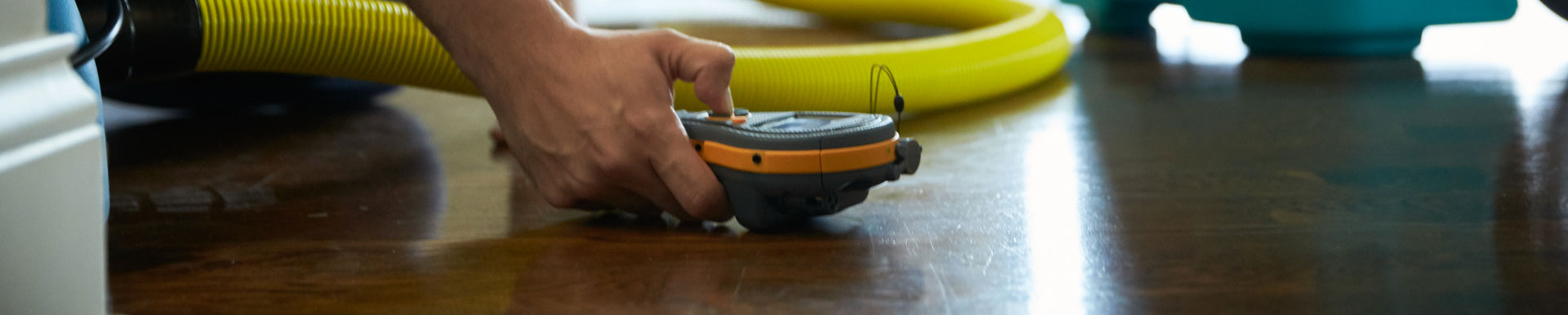
After the initial assessment, we move into water extraction. Using professional grade pumps and extraction tools, we work to remove standing water from floors and other surfaces. Our trained and certified restoration professionals then place drying equipment such as air movers and dehumidifiers in strategic locations. These tools help pull moisture from the air and from porous materials like drywall and wood so that the area can return toward its normal dryness level.
Drying is not a set it and forget it step. Our team monitors moisture readings and adjusts equipment placement as conditions change. During this phase, we also clean and address visible dirt and residues that often come with flooding, and we pay attention to developing odors that may indicate hidden moisture or contamination. Throughout the process, we explain what we are doing, why each step matters, and what you can expect over the coming hours and days.
Why Homeowners Trust Our Team After Basement Flooding
Choosing a company to work in your home after a basement flood is an important decision. You are trusting someone with the structure of your property and the safety of the people who live or work there. Many property owners in and around North Platte turn to ServiceMaster of Mid Nebraska because of the combination of our national backing and our local commitment.
ServiceMaster Restore has provided disaster restoration services for more than 65 years. That history means our methods for water removal, drying, and damage mitigation are built on years of training, standards, and real world experience. Our technicians receive ongoing education and certification in water damage restoration, so they arrive prepared with current techniques and the right equipment for a basement environment.
We also understand that a flooded basement is more than a simple cleanup job. If the water involves sewage, contaminated runoff, or has been present for a while, there may be a need for additional cleaning, odor removal, or mold remediation. Our comprehensive service offerings allow us to address many of these related issues, which can reduce the need for you to coordinate with several different providers. Just as important, we approach every project with a focus on compassion, clear communication, and follow up. Our goal is to restore not just the property, but also your sense of control and peace of mind.
What To Do Right Now If Your Basement Has Flooded
When you first discover water in your basement, it can be hard to know what to do next. Taking a few careful steps can help protect your safety and limit avoidable damage while you arrange for professional help.
Stay Safe Around Water & Electricity
Safety should always come first. If you suspect that water may be in contact with electrical outlets, cords, or appliances, avoid entering the area and keep others away until a qualified professional or utility provider can confirm that it is safe. If the water is deep, cloudy, or has an unusual odor, treat it as potentially contaminated, and do not walk through it without proper protection.
Protect Property When It Is Safe
If you can safely reach your main water shutoff and you believe a broken pipe is involved, turning the water supply off can help limit additional flow. You may also be able to move small, easy to handle items such as area rugs or loose boxes out of harm’s way, as long as you can do this without walking through standing water. Children and pets should be kept away from the affected areas until cleanup and drying are underway.
Document Damage & Call For Help
It is also helpful to document what you see. Photos and short videos of the water level, damaged items, and the overall space can support conversations with your insurance company. After addressing immediate safety concerns, contact ServiceMaster of Mid Nebraska so our team can evaluate the situation, provide guidance specific to your property, and begin the restoration process.
Common Causes & Risks Of Basement Flooding Here
Basement flooding can happen in many ways, and understanding the possible causes can make it easier to respond. In this part of Nebraska, heavy rainstorms can strain gutters, downspouts, and drainage systems. When water collects around the foundation and has nowhere to go, it may find its way into basements through cracks, window wells, or joints between walls and floors.
Mechanical issues are another frequent source of trouble. Sump pumps that lose power, become clogged, or simply wear out may stop moving water away from your home. Burst or leaking pipes, failed water heaters, and other plumbing problems can release large amounts of water directly into lower levels. Sewer backups or overwhelmed municipal systems may also push contaminated water into basements through drains.
The risks do not end when the standing water disappears. Moisture that remains trapped in carpets, drywall, wood framing, and contents can cause them to swell, warp, or break down. Damp environments can support mold and mildew growth, which may affect indoor air quality and create distinct odors. In addition, mechanical equipment such as furnaces, water heaters, and electrical panels are often located in basements, and they can be impacted by even a few inches of water.
Our team works to address both the immediate and longer term risks. By combining thorough water removal with monitored drying, we strive to bring the affected spaces back toward normal conditions and reduce the chance of ongoing moisture related problems. When additional services such as mold remediation or sewage cleanup are needed, we can provide a path forward for those concerns as well.
How We Work With You Throughout Restoration
A flooded basement disrupts your routines, and the restoration process can feel unfamiliar. We believe that clear communication and respect for your time and property make a difficult situation easier to manage. From the moment you call, our team works to explain what will happen and what we need from you.
During the initial visit, we walk through the affected areas with you when it is safe to do so. We explain our findings in straightforward language and outline the steps we recommend, including water extraction, equipment placement, and any additional cleaning that may be appropriate. You can ask questions at any point, and we encourage you to share any concerns about specific rooms, belongings, or future use of the space.
As drying progresses, we check equipment and moisture levels and let you know how things are changing. When adjustments are needed, such as moving air movers or dehumidifiers, we explain why those changes are being made. We coordinate our work with your schedule whenever possible, and we are mindful of noise and access needs around your household or business operations.
Once the primary restoration work is complete, we review the results with you and discuss any recommended next steps. This may include further cleaning, addressing odors, or planning for repairs that fall outside the scope of drying and mitigation. Our commitment to customer satisfaction means we stay engaged, answer questions, and work to leave you with a clear understanding of what has been done in your basement.
Frequently Asked Questions
How fast can your team get here for a flooded basement?
We take calls for flooded basements at any time, and our goal is always to respond as quickly as conditions allow. Actual arrival times depend on factors such as weather, road conditions, the volume of emergency calls, and how far your property is from our nearest available team. When you call, we let you know what to expect and keep you updated if anything changes. Our priority is to begin assessment and water removal promptly so we can help limit additional damage.
What should I do before you arrive to clean up my basement?
The most important step before we arrive is to stay safe. If there is any possibility that water is in contact with electrical outlets, cords, or appliances, avoid entering the area and keep others away. If you can safely shut off your main water supply and you believe a plumbing issue is causing the flooding, that can help reduce ongoing water flow. You may choose to move small valuables or important documents out of damp areas if you can reach them without stepping into standing water. It is also helpful to take photos or short videos of the damage, which you can share with us and your insurance company. Once you have addressed any urgent safety concerns, call us so we can talk through additional steps tailored to your situation.
Can you help prevent mold after my basement floods?
Thorough drying after a flood is one of the key ways to reduce the conditions that mold needs to grow. Our team uses professional drying equipment to remove moisture from the air and from porous materials, and we monitor readings to see how the space is progressing. While no one can promise that mold will never appear, especially if moisture has been present for a long time, our process is designed to lower humidity and dry materials as effectively as possible. If we see signs that mold has already begun to form, we can discuss mold remediation options and help you plan next steps.
Do I need to remove my belongings from the basement myself?
You are not required to clear the basement before we arrive. In many cases, it is safer to leave larger or heavier items where they are until we can assess the conditions together. If you are able to safely move small, easily carried items out of damp areas without entering standing water, that can sometimes help limit damage. When our technicians arrive, they will discuss which contents can stay in place during drying, which may need to be moved or elevated, and what options exist for cleaning certain items. We handle your belongings with care and work with you to make decisions that fit your priorities.
How long does basement drying usually take?
The time required to dry a flooded basement varies based on several factors, including how long the water was present, the type of materials that were affected, the source of the water, and the size of the area. Some spaces with limited, recent water exposure may dry in a few days with continuous use of drying equipment. Larger areas, or those with deeper saturation, can take longer. During our initial assessment, we provide a general range based on what we see, and we check moisture levels during the process so you can follow the progress. Our team keeps you informed and adjusts equipment as needed to help reach appropriate dryness levels.
Is a flooded basement safe to stay in the house with?
In some situations, you may be able to remain in the home while the basement is being restored, but safety considerations always come first. Concerns include potential electrical hazards, contaminated water, structural impacts, and the presence of mold or strong odors. During our assessment, we look at these factors and can share what we observe. If we believe certain areas should be avoided or if there are conditions that raise health or safety questions, we will explain those clearly so you can make informed decisions for your household. When needed, you can also consult with your utility providers or local authorities regarding specific risks.
Will you work with my insurance company during restoration?
Many of our clients choose to involve their insurance company after a flooded basement, and our documentation can support that process. We provide information about the damage we observe, the services we perform, and the equipment we use, and this can be shared with your insurer. Coverage decisions, deductibles, and claim approvals are determined by your policy and your insurance carrier. We encourage you to contact your agent or claims representative to understand how your policy applies, and we are available to answer questions about our invoices or scope of work as you move through that conversation.
Call Our Team For Flooded Basement Help
If you are facing a flooded basement, you do not have to sort through the damage and uncertainty alone. ServiceMaster of Mid Nebraska is ready to respond at any time with trained technicians, advanced water removal and drying equipment, and a clear process to guide you from emergency to recovery. Our goal is to protect your property, reduce the impact of water damage, and keep you informed at every step.
Whether your flooding came from a storm, a sump pump problem, or a plumbing issue, we are here to help you take the next right step. With the backing of more than 65 years of disaster restoration experience and a strong focus on customer care, our team works to restore both your basement and your peace of mind. Reach out now so we can talk through your situation and begin helping you move forward.
For help with a Flooded Basement in North Platte, contact ServiceMaster of Mid Nebraska today at(308) 280-8382.