
Table of Contents
A common question we hear at ServiceMaster Restore is, “I have water in my crawl space...now what?” or "Who should I call for water in my crawl space?“ These are great questions that we'll answer.
A crawl space shouldn't absorb water or remain damp. If it does, this issue must be addressed quickly, as a wet crawl space can lead to musty odors, rot, and mold. Luckily, there are steps you can take if it does.
Causes of Water in Your Crawl Space
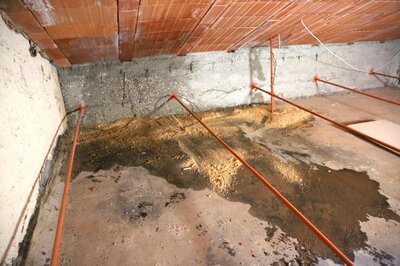
Water in the crawl space can come from various sources, including groundwater, heavy rainfall, and plumbing leaks.
Groundwater or rainwater that seeps into the crawl space may enter through cracks or leaks in the foundation of your house, drainage tile issues, or when gutter or downspout systems have failed or been improperly installed.
How to Remove Water From Your Crawl Space
Step 1: Remove the Water
The first step in solving crawl space water issues is to identify the source of the water. Then you can block or correct the cause.
If there is standing water in the crawl space, it first needs to be removed. This can be done with a wet vacuum or sump pump, depending on the amount of water. Running a dehumidifier will reduce the humidity levels and help prevent mold growth.
Step 2: Install a Crawl Space Drainage System
To prevent water from pooling in the crawl space in the future, you can install a crawl space drainage system. This involves engineering a system that includes a perimeter trench, perforated pipe, gravel, and a sump pump.
Depending on its size and how easily you can access your crawl space, you may choose to attempt this project on your own. You may also consult a professional for a more straightforward, optimal solution.
How to Install a Crawl Space Drainage System
The experts at ServiceMaster Restore recommend following the guidelines below if you choose to assess and correct a crawl space water problem on your own:
- Remove any existing plastic vapor barrier.
- Dig a trench around the interior of the crawl space, along the foundation wall.
- Lay perforated pipe in the trench, typically a 3-inch pipe.
- Use gravel to cover the pipe and aid in the drainage.
- Install a GFCI outlet to power a sump pump.
- Install the sump pump.
- Install a new vapor barrier to prevent vapor transfer into the crawl space.
Safety Tip
If you choose to do the work yourself, exercise all safety protocols.
Always wear protective clothing (long sleeves, pants, and sturdy shoes or boots), gloves, and safety glasses. Remember that water and electricity don't mix, which can be deadly. If you don't have any electrical experience, call a professional to install the outlet and sump pump.
Who Should You Call for Water in Your Crawl Space?
Would you rather call professionals to remove water from your crawl space? If so, it helps knowing who to call.
Knowing who to call is the first step to fixing the problem and preventing serious damage.
Here’s how to determine who to call:
Call a Restoration Company & Plumber If You Have a Plumbing Leak or Mold
Is the water in your crawl space due to a plumbing leak? Do you notice mold growth? You’ll need a plumber and a water damage restoration company to address these issues.
- Call a Plumber. A plumber will locate and fix the leak, whether it’s a burst pipe, a leaking water line, or a failed sump pump discharge.
- A Water Damage Restoration Company. You'll need a restoration contractor because fixing the leak isn't enough. A restoration contractor will address the existing mold and water damage. They'll remove standing water and dry wet surfaces, prevent mold growth, and restore any damage.
If mold has started to grow, it’s crucial to act quickly. Mold spreads quickly in damp crawl spaces, creating health risks and damaging wood, insulation, and structural components.
A restoration company will thoroughly dry and treat your crawl space to prevent future problems.
Call a Basement Waterproofer If Water is Seeping in From the Ground
If your crawl space is damp after it rains or you notice signs of groundwater seepage, a basement waterproofer is the expert to call.
Here are signs you need a waterproofer:
Do you Notice Moisture or Standing Water After Rain?
This indicates water is entering from outside, not from a plumbing issue.
Before calling a pro, try a simple DIY fix: Ensure your gutters are clean and extend your downspouts away from your foundation. If the crawl space still gets wet, you need professional waterproofing.
It is crucial to protect the foundation of your crawl space from water. This blog offers valuable tips on preventing foundation water damage.
Is the Subfloor Above the Crawl Space Dry?
If there’s no sign of water damage inside your home, but the crawl space is wet, the moisture is likely coming from the ground.
Note: If your subfloor is wet but you don't suspect a plumbing leak, the cause could be severe water seepage. We recommend calling a waterproofer. However, you'll need a restoration contractor to handle the water damage restoration.
Do You See Cracks in Basement Walls or Floors?
Water pressure from the soil can cause cracks, allowing water to seep into your crawl space. A basement waterproofer may recommend a foundation repair contractor for your structural issues.
A waterproofer can install a crawl space drainage system, sump pump, dehumidifier, or full encapsulation system. These long-term solutions can keep your crawl space dry and prevent moisture problems.
Don’t Wait—Take Action Now
Water in your crawl space is never a problem to ignore. Addressing crawl space water problems quickly is crucial to prevent further damage and health risks.
If you suspect a plumbing leak or you see signs of mold, contact your local ServiceMaster Restore for expert help.
Need Crawl Space Restoration? Call Us 24/7!
When you discover water in your crawl space, let ServiceMaster Restore help. From initial assessment to complete water mitigation services, our staff will give you the personal attention you deserve.
If you have any more questions about how we can help with water damage, Frequently Asked Questions or find your location.
Recommended Further Reading