Burst and Leaking Pipe Cleanup & Water Damage Restoration in Webb City, MO
Local Help When Burst and Leaking Pipes Soak Your Home
A burst pipe or slow leak can spread water through drywall, insulation, flooring, and subfloors far faster than most property owners expect. In Webb City and the greater Joplin area, winter freezes, aging plumbing, and slab or crawlspace lines can turn a small plumbing failure into widespread water damage and mold risk in just a day or two. ServiceMaster by Quality Restoration - Joplin is a ServiceMaster Restore business that responds with professional equipment and proven processes to stop the damage, dry the structure, and guide you through the next steps. Our goal is to protect your home’s structure, salvage as many materials as possible, and help you return to normal with minimal disruption.
We start with a detailed inspection, moisture mapping, and immediate water extraction to reduce swelling, warping, and microbial growth. From there, we set a drying plan based on the affected materials, the amount of water, and how long the leak went unnoticed. If you’re dealing with burst or leaking pipes in Webb City, MO, contact our team right away so we can begin mitigation before secondary damage occurs.
What Causes Pipes to Burst in Winter (and How to Prevent It)
Most winter pipe bursts happen when water inside the line freezes and expands, creating pressure that splits copper, PEX, or older galvanized piping. Pipes are most vulnerable in exterior walls, crawlspaces, attics, garages, and under-sink cabinets where cold air circulates and insulation may be thin or missing. Rapid temperature swings common in Southwest Missouri can also stress plumbing joints, especially if a home is vacant or the thermostat is set too low overnight. Even a pinhole crack can become a major break once the line thaws and water begins flowing again.
Prevention is much cheaper than cleanup, and a few proactive steps can significantly reduce your risk. If you want to avoid emergency water damage cleanup from burst pipes, use this cold-weather checklist and address weak points before the next freeze. If you’re unsure which areas of your home are at highest risk, we can help you identify likely problem zones and explain how to protect them.
- Keep indoor temperatures consistent, even when traveling, and avoid turning the heat too low at night.
- Insulate exposed pipes in crawlspaces, basements, garages, and exterior walls; consider heat tape where appropriate.
- Seal drafts around sill plates, vents, and pipe penetrations to prevent freezing air from reaching plumbing.
- Disconnect hoses and winterize exterior spigots; shut off and drain outdoor supply lines when possible.
- Open cabinet doors under sinks on very cold nights to let warm air circulate around pipes.
- Know where your main shutoff is and test the valve so it works when you need it most.
If you’ve had pipes freeze before or you’re worried about a vulnerable area of your home in Webb City, reach out to ServiceMaster by Quality Restoration - Joplin for guidance and a plan to reduce winter burst risk.
Signs of a Hidden Pipe Leak in Walls or Ceilings
Hidden leaks are common behind showers, under upstairs bathrooms, around refrigerator supply lines, and in ceilings below plumbing runs. Because the water is out of sight, damage often progresses until you notice staining, odors, or changes in building materials. A slow leak can saturate drywall and insulation for weeks, creating the perfect conditions for mold growth and structural deterioration. Catching these problems early can reduce repair scope and shorten the time your home is under drying equipment.
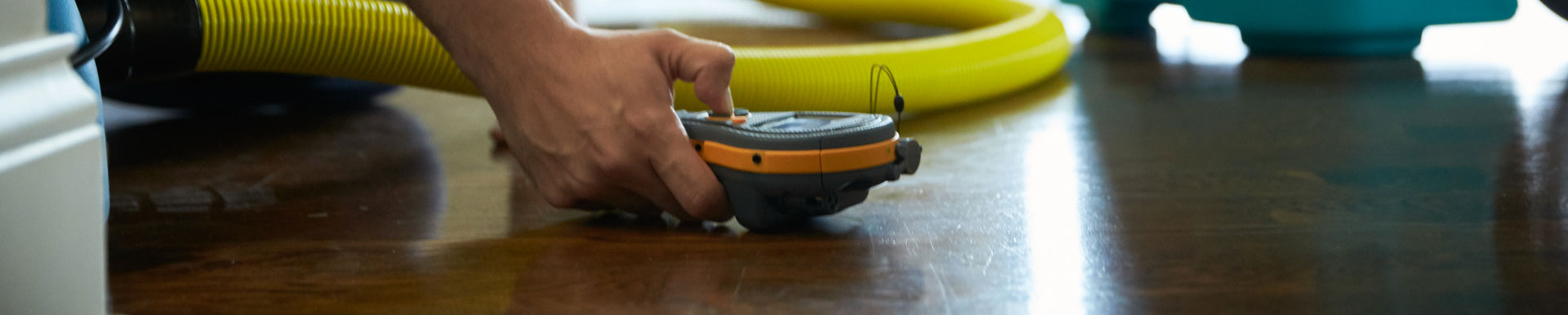
Watch for these warning signs, especially if you’ve seen a spike in your water bill or you hear water when nothing is running. Our technicians can use moisture meters and targeted inspection methods to confirm moisture pathways and determine how far the water has traveled. If you suspect a concealed leak, contacting a restoration professional promptly can prevent a minor issue from turning into a full water-damage restoration project.
- Yellow, brown, or copper-colored stains on ceilings or walls, including “ring” patterns that expand over time.
- Bubbling paint, peeling wallpaper, soft drywall, or sagging ceiling sections.
- Musty odors, persistent humidity, or visible spotting that may indicate microbial growth.
- Warped baseboards, buckling floors, loose tiles, or spongy areas underfoot.
- Sounds of dripping or running water when fixtures are off, or unexplained warm/cold spots.
For suspected leaking pipes in Webb City, MO, contact ServiceMaster by Quality Restoration - Joplin to schedule an evaluation and stop hidden moisture before mold and rot become more expensive to fix.
What to Do Immediately After a Pipe Bursts in Your Home
Your first hour after a burst pipe is critical, because the faster you stop the flow and remove standing water, the more you can save. If it’s safe, shut off the water immediately, then protect people and pets from electrical hazards and slipping. Next, start documenting the damage and move items to a dry area to reduce loss to furniture, rugs, and personal belongings. Even if the water looks clean, it can wick into walls and under floors quickly, so it’s important to get professional drying started as soon as possible.
Finding the main water shutoff quickly can prevent thousands of dollars in damage, so it helps to locate it before an emergency. In many Webb City homes, the shutoff is near where the water line enters the house, in a basement or crawlspace, in a utility room, near the water heater, or on an exterior wall close to the meter box. If you have a slab foundation, it may be in a mechanical closet or near the front of the home, and some properties have an additional curb stop at the street. After the water is off, call a licensed plumber for the pipe repair, and call our team for burst pipe cleanup and drying.
- Shut off the water at the nearest fixture valve if possible, then close the main shutoff valve.
- Turn off electricity to affected areas if water is near outlets, appliances, or a ceiling fixture.
- Place buckets or towels to control dripping and prevent ceiling sections from collapsing.
- Move valuables and furniture to a dry area, and take clear photos for your records.
- Contact restoration professionals to begin extraction and water mitigation services immediately.
If a pipe has burst or a ceiling is leaking right now, contact ServiceMaster by Quality Restoration - Joplin for rapid response in Webb City and nearby communities, and we’ll help you stabilize the situation and plan the next steps.
Water Mitigation vs. Water Damage Restoration After a Leak
After burst and leaking pipes, it helps to understand the difference between water mitigation and water damage restoration. Mitigation focuses on immediate actions that prevent further damage, such as stopping the source, extracting standing water, removing unsalvageable wet materials, and setting drying equipment. Restoration is the process of rebuilding and returning the property to pre-loss condition, which may include replacing drywall, repainting, reinstalling flooring, and restoring trim, cabinetry, or insulation. Many projects involve both phases, and doing mitigation correctly is what keeps restoration costs and timelines under control.
Our technicians use professional-grade extractors, air movers, dehumidifiers, and monitoring tools to dry materials to appropriate targets, not just “surface dry.” If microbial growth is present or likely due to time and saturation, we may recommend targeted cleaning and mold remediation to prevent long-term indoor air quality issues. We also help with contents handling when needed, including careful drying and documentation so you can make confident decisions about what can be saved. To get started, contact ServiceMaster by Quality Restoration - Joplin for an on-site assessment and a clear plan that covers both mitigation and restoration.
Drying, Repairs, Insurance, Timing, and Cost: What to Expect
How long water damage cleanup takes after a burst pipe depends on how quickly the water was stopped, how much of the structure was affected, and what materials are involved. In many cases, extraction happens the same day and professional structural drying takes 3–5 days, with monitoring visits to adjust airflow and dehumidification as moisture levels drop. If water traveled under flooring, soaked insulation, or affected multiple rooms, drying may take closer to 5–7 days or longer, especially in colder weather when evaporation is slower. After drying, repairs and rebuilding can add several more days to a few weeks depending on drywall replacement, flooring lead times, cabinetry complexity, and contractor scheduling.
Drying walls and floors after a leaking pipe without mold growth requires more than opening windows or running household fans. Wet drywall often holds moisture deep inside, and insulation can stay saturated even when the surface looks dry, so professional moisture checks are essential. Depending on saturation level, we may perform “flood cuts” to remove the lower portion of drywall, pull baseboards, remove wet insulation, and dry wall cavities with controlled airflow and dehumidification. This approach reduces the chance of trapped moisture that can lead to odors, hidden mold, and future paint or flooring failure.
Knowing when to replace vs. repair a burst pipe and damaged drywall comes down to safety, material condition, and long-term reliability. A plumber may repair a localized split in accessible PEX or copper, but repeated freezing, corrosion, poor fittings, or aging galvanized lines may justify replacing a longer run to prevent future failures. For drywall, if it is swollen, crumbling, delaminated, or contaminated, replacement is usually the safest option; if it’s only lightly damp and can be dried quickly to verified moisture targets, repair may be possible. We’ll explain what we find, what can realistically be saved, and what replacement will protect you best over the long term.
Many homeowners ask whether insurance covers burst pipes and water damage restoration, and in many policies the answer is “often, if it’s sudden and accidental.” Coverage frequently applies to the water damage from a sudden pipe break, but may not cover long-term seepage, neglected maintenance, or certain exterior drainage and flood-related causes. We can provide documentation, moisture readings, drying logs, and detailed estimates that support the claims process, and we’ll work with you and your adjuster to keep the project moving. Cost for professional burst pipe cleanup and restoration services varies widely, but most projects depend on the affected square footage, how long the water sat, how many materials must be removed, and whether rebuilding is required; smaller, contained losses may be a few thousand dollars, while larger multi-room events can be significantly more.
If you have a burst pipe or suspect a hidden leak in Webb City, MO, contact ServiceMaster by Quality Restoration - Joplin now to schedule an inspection, begin water mitigation, and get a clear plan for drying, repairs, and next steps.