Damage Restoration in Clark County
Reliable Property Recovery When Unexpected Damage Occurs
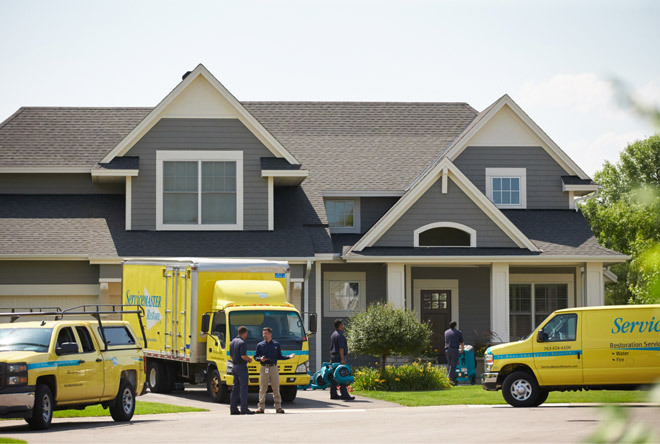
Unexpected property damage can disrupt routines, compromise safety, and create uncertainty about what comes next. In Clark County, events such as fire, flooding, severe storms, or other emergencies can affect homes and businesses without warning. At the outset of the restoration process, ServiceMaster of Clark and Jackson County provides structured, professional damage restoration services focused on stabilizing properties and supporting a smooth recovery.
With more than 65 years of experience in the restoration industry, our work is grounded in proven methods, careful assessment, and clear communication. Property damage often involves more than visible destruction. Water can travel into building materials, smoke residue can affect indoor air quality, and debris can introduce safety hazards. Addressing these concerns thoroughly helps protect long-term property value and occupant well-being.
Why Damage Restoration Matters
Clark County properties face specific environmental challenges that influence restoration needs. Seasonal storms, flash flooding, high winds, and dry conditions can all contribute to different types of damage. Each situation requires an informed response that accounts for local building standards and regional risks.
Timely restoration helps reduce secondary issues such as mold growth, corrosion, and structural weakening. Early mitigation and professional drying or cleanup are essential to prevent damage from spreading beyond the initial impact area.
Comprehensive Damage Restoration Services
Damage can take many forms, and effective restoration requires a coordinated approach. Our services are designed to address a wide range of property damage scenarios using industry-approved equipment and techniques.
Restoration services include:
- Fire and smoke damage cleanup, including soot removal and odor control.
- Water and flood damage restoration, including extraction and structural drying.
- Mold remediation to address growth caused by excess moisture.
- Sewage and biohazard cleanup following contamination events.
- Odor removal for persistent smells after fire or water damage.
- Storm and weather-related repairs tailored to regional conditions.
Each service is delivered with attention to safety, accuracy, and documentation, supporting both restoration quality and insurance review when applicable.
Stop damage from spreading with our 24/7 local emergency dispatch. Connect with our expert team online or call (715) 226-3957 for immediate help.
A Clear and Structured Restoration Process
Knowing how restoration unfolds can reduce stress during a difficult time. The process follows defined stages to ensure consistency and accountability.
The restoration process typically includes:
- Assessment and inspection: A detailed evaluation identifies affected areas, safety concerns, and the scope of damage.
- Mitigation: Immediate steps are taken to prevent further damage, such as water removal or securing exposed areas.
- Cleanup and removal: Damaged materials, debris, and contaminants are safely removed using professional equipment.
- Restoration and repairs: Structural and cosmetic repairs are completed based on the approved plan.
- Final inspection: Completed work is reviewed to confirm restoration goals have been met.
Throughout the process, progress is monitored to ensure that drying levels, repairs, and safety standards align with restoration requirements.
The Value of Local Knowledge
Restoration outcomes improve when local conditions are understood. Familiarity with Clark County building practices, permitting considerations, and common weather-related risks allows restoration work to proceed efficiently and accurately.
Local insight supports:
- Appropriate material selection for regional climate conditions.
- Compliance with county building and safety guidelines.
- Accurate documentation for insurance-related events specific to the area.
- Restoration strategies that address flash flooding or wind exposure.
This knowledge helps reduce delays and supports long-term property stability.
Practical Steps After Property Damage
Before professional restoration begins, certain actions can help protect safety and limit additional harm.
If property damage occurs, consider these steps:
- Ensure personal safety and avoid areas with electrical or structural hazards.
- Shut off utilities if it can be done safely.
- Document visible damage with photos or video for records.
- Restrict access to affected areas to prevent further disruption.
Avoid attempting major cleanup without guidance, as improper handling may increase risk or spread contaminants.
Frequently Asked Questions
1. How quickly should restoration begin after damage occurs?
Restoration should begin as soon as conditions allow. Early mitigation reduces the risk of secondary damage and supports safer recovery.
2. What types of damage can restoration address?
Damage restoration may include water, fire, smoke, storm-related damage, mold growth, and contamination issues.
3. Can restoration help prevent mold growth?
Yes. Proper drying, moisture control, and monitoring are key components of restoration and help reduce mold risk.
4. Is it safe to remain in the property during restoration?
This depends on the type and extent of damage. Safety assessments help determine whether occupancy is appropriate during restoration.
5. How is restoration progress verified?
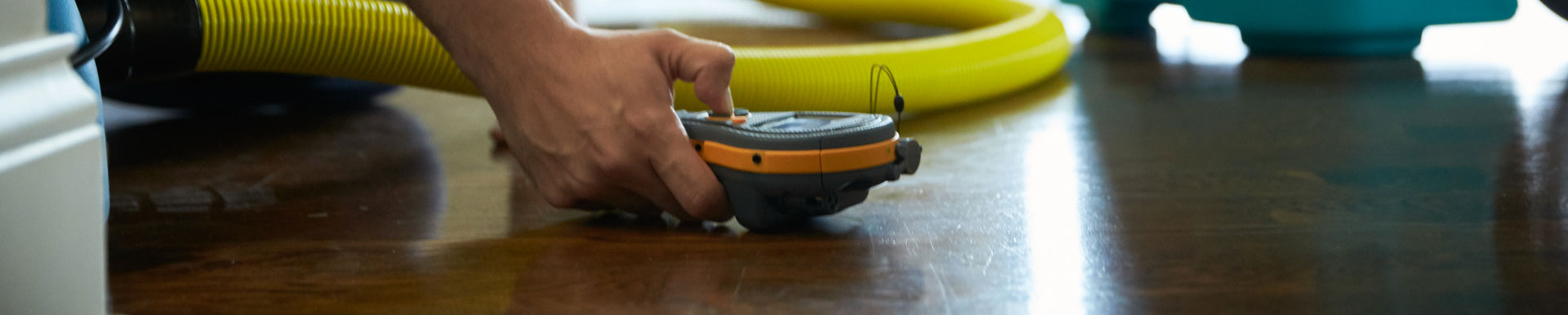
Moisture readings, visual inspections, and final walkthroughs are used to confirm that restoration objectives are met.
6. Does restoration include structural repairs?
Restoration may include both structural and cosmetic repairs based on the scope identified during assessment.
Supporting Property Stability and Recovery
Damage restoration is a detailed process that benefits from experience, planning, and regional understanding. By addressing damage methodically and monitoring results carefully, long-term property integrity can be preserved. At the conclusion of service, ServiceMaster of Clark and Jackson County remains available to provide documentation, answer follow-up questions, and offer additional assistance as needed.
Remove soot and persistent smoke odors to make your home or business safe. Connect with our expert team online or call (715) 226-3957 for a restoration plan.